Therapeutic resistance remains one of the most stubborn obstacles in neuro-oncology, and a new review published in the Journal of Translational Medicine examines why treatments so often fail in tumors of the central nervous system. The article, authored by Le Hien Giang, Tai-Tong Wong and Che-Chang Chang and published on 27 October 2026, synthesizes the biological mechanisms that allow CNS tumors to survive surgery, radiotherapy, chemotherapy and emerging targeted therapies, with particular attention to cancer stem cells, vascularization and the tumor immune microenvironment.
The review emphasizes that neoplasms of the central nervous system are a highly heterogeneous group of malignant tumors affecting both pediatric and adult populations. They span a broad spectrum of histological subtypes and biological behaviors, which means therapeutic strategies must be tailored to tumor type and individual patient characteristics. Standard treatment typically combines surgical resection, radiotherapy, chemotherapy and emerging targeted therapies, yet the efficacy of these interventions varies considerably, and long-term remission and survival outcomes remain difficult to achieve.
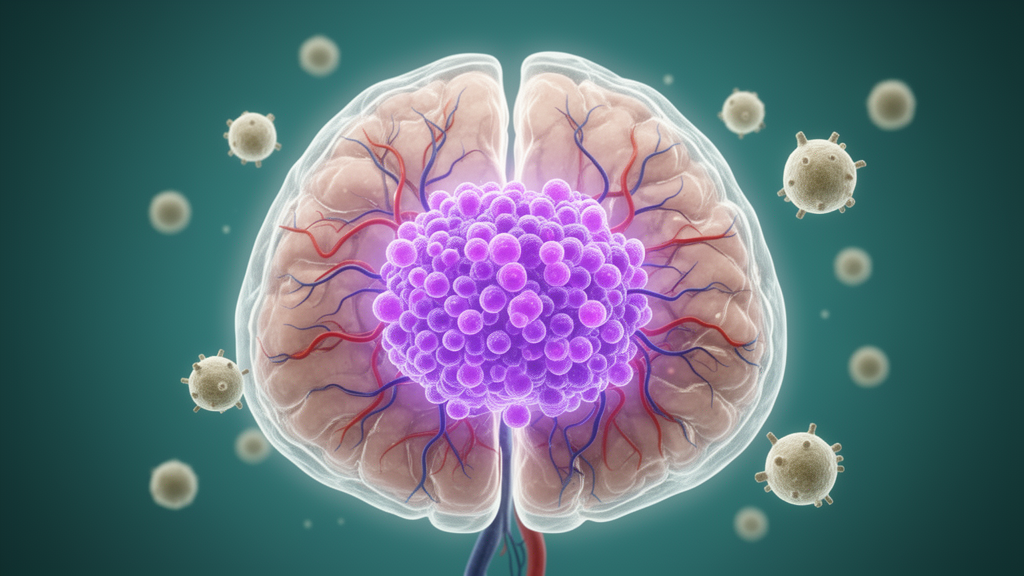
According to the authors, resistance is multifactorial. Substantial contributions come from the blood-brain barrier, intratumoral heterogeneity and the tumor microenvironment. Together these factors form a complex, adaptive network that enables tumor survival and proliferation even under aggressive treatment regimens. The review highlights how the interplay among cellular plasticity, vascular and microenvironmental adaptations, and immune evasion contributes to therapeutic failure and tumor recurrence.
An important caveat runs through the analysis: mechanistic evidence is unevenly distributed across CNS malignancies. The evidence synthesized in the review is derived primarily from glioblastoma, with additional studies in medulloblastoma and atypical teratoid rhabdoid tumor. This means the picture of resistance built from these tumor types may not generalize uniformly to every CNS neoplasm, and the authors frame their synthesis accordingly rather than as a uniform account of all brain tumors.
The authors argue that a better understanding of these interlocking mechanisms may facilitate the development of more effective and personalized therapeutic strategies for CNS tumors. As a review article, the work consolidates existing findings rather than presenting new experimental data, and its conclusions reflect the state of the current literature on glioblastoma, medulloblastoma and atypical teratoid rhabdoid tumor.
Subject of Research: Mechanisms of therapeutic resistance in central nervous system tumors, including cancer stem cells, vascularization and immune evasion
Article Title: Unraveling therapeutic resistance in brain tumors: the roles of cancer stem cells, immune evasion, and vascularization
Article References: Giang, L. H., Wong, T.-T., & Chang, C.-C. (2026). Unraveling therapeutic resistance in brain tumors: the roles of cancer stem cells, immune evasion, and vascularization. Journal of Translational Medicine. https://doi.org/10.1186/s12967-026-09142-6
Image Credits: AI Generated
DOI: 10.1186/s12967-026-09142-6
Keywords: brain tumors, therapeutic resistance, cancer stem cells, immune evasion, vascularization, glioblastoma, medulloblastoma, atypical teratoid rhabdoid tumor, tumor microenvironment, blood-brain barrier, neuro-oncology, central nervous system tumors
News Source: Nathaniel Bowman. (October 27, 2026). Cancer Stem Cells, Immune Evasion and Vascularization Drive Therapy Resistance in Brain Tumors. Scienmag.