
Uzbekistan Model for Synthetic Biology Ethics
A new perspective proposes a dual-framework model integrating UNESCO bioethics guidelines and human capacities to address biosafety challenges in synthetic ...
A new perspective proposes a dual-framework model integrating UNESCO bioethics guidelines and human capacities to address biosafety challenges in synthetic ...
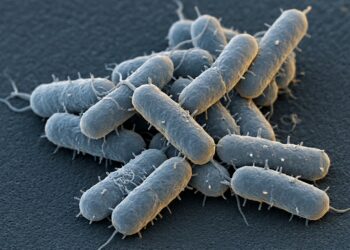
Researchers used adaptive laboratory evolution to generate arsenite-resistant Escherichia coli, yielding optimized whole-cell biosensors with up to a sixfold increase ...
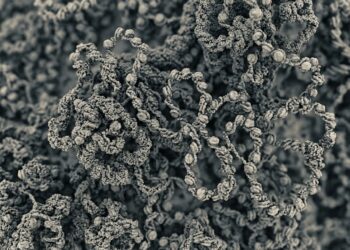
A new multi-task adversarial autoencoder framework generates functional genomic sequences that preserve biophysical properties and emergent biological structure, outperforming standard ...
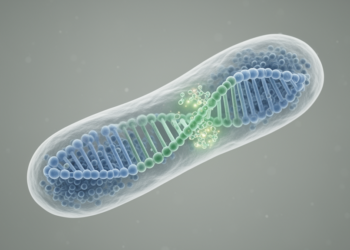
Researchers engineered an Escherichia coli strain using sequential thermal and chemical regulation to convert 5-hydroxymethylfurfural into 2,5-furandicarboxylic acid with complete ...
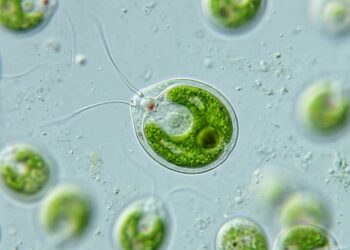
Synthetic biology advancements and multi-trait genome engineering are transforming the model microalga Chlamydomonas reinhardtii into a versatile photosynthetic biomanufacturing platform ...
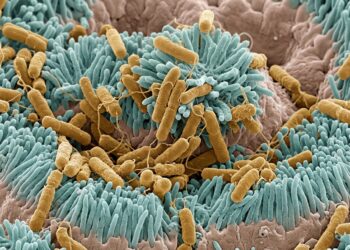
Engineered Coprococcus comes secretes IL-22 in the mouse gut, improving glucose homeostasis and reducing hepatic steatosis in a model of ...
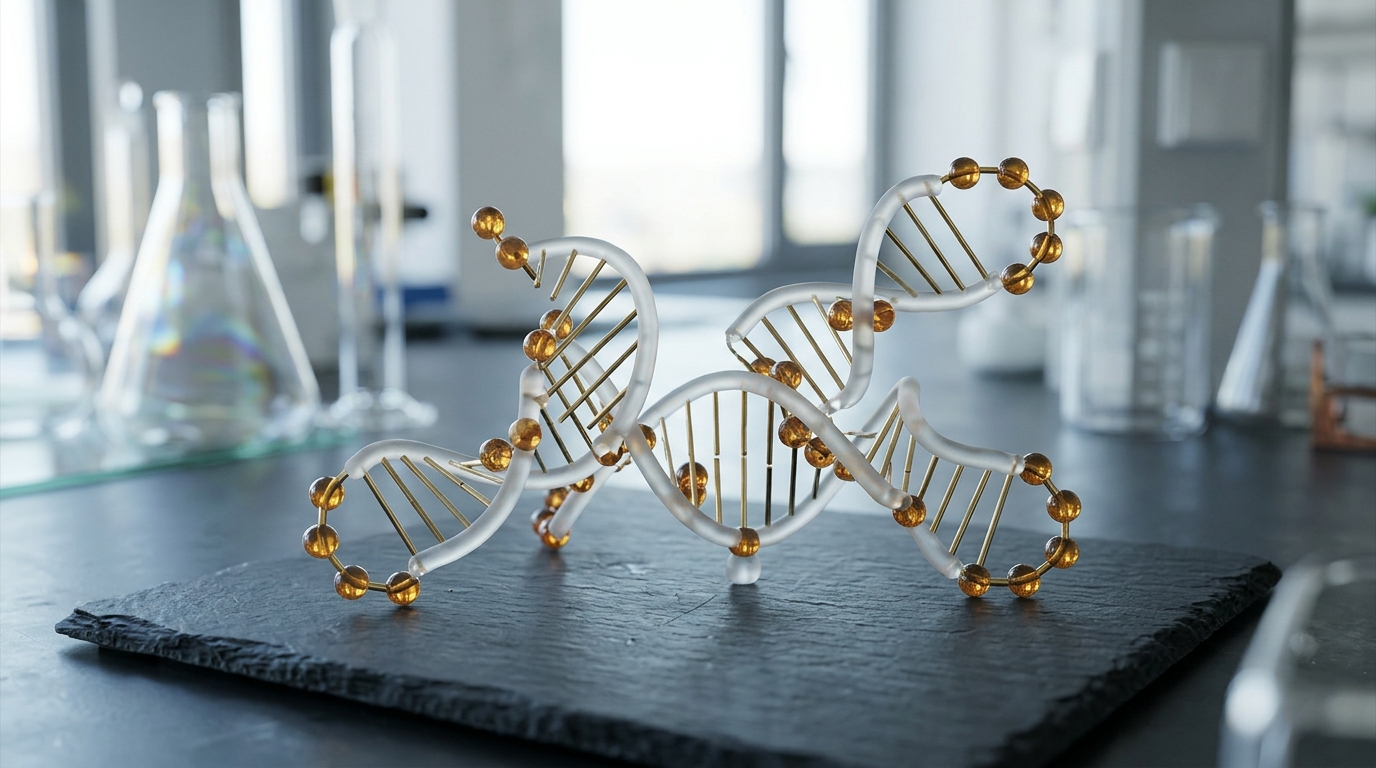
New algorithms predict the folding and interactions of repetitive RNA strands far faster than previous methods, revealing which triplet patterns ...
Applied Microbiology International members have urged the European Commission to make microbial communities and microbiome interactions central to environmental risk ...
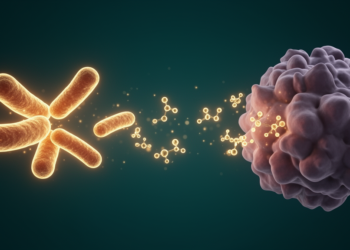
A new review argues that gut bacterial metabolites such as butyrate and indoles can be engineered as programmable drugs to ...
The authors argue that microbial cell factories are now the workhorse of this emerging industry, even though critical bottlenecks remain ...
Macromolecular crowding with polymers such as PEG promoted the formation of synthetic DNA nanostar droplets and allowed researchers to control ...
A new review examines how pigments from fungi, bacteria and microalgae could replace synthetic food dyes, and what obstacles remain.
An engineered E. coli biosensor built on the Pseudomonas putida ttg operon estimated biosynthetic resveratrol concentrations with 92.7 to 93.8 ...

A new review outlines how the secretion systems of the opportunistic pathogen Klebsiella quasipneumoniae might be detoxified and redirected for ...

A new mini-review finds that only metal immobilization and hydrocarbon rhizoremediation by cultured consortia have been field-validated, while microplastic remediation ...
A new policy analysis finds that three genetically engineered microbes reached millions of acres and millions of consumers in the ...
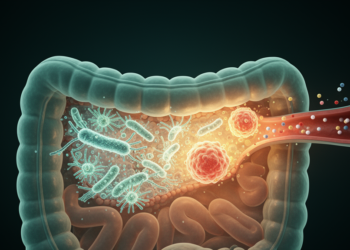
A review in Discover Oncology describes how the gut microbiota can modulate chemotherapy efficacy and resistance through drug sequestration, metabolic ...
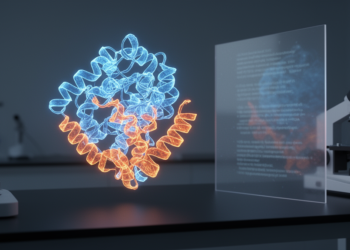
A 16-billion-parameter AI model called Pinal designed proteins from natural-language descriptions that showed their intended functions in laboratory tests, including ...
A new review argues that clinical translation of microbial therapeutics depends less on biological sophistication than on durable colonization, demonstrated ...
Mycology invites peer-reviewed manuscripts on fungal secondary metabolism and biosynthesis through a collection guided by researchers working in genome mining, ...