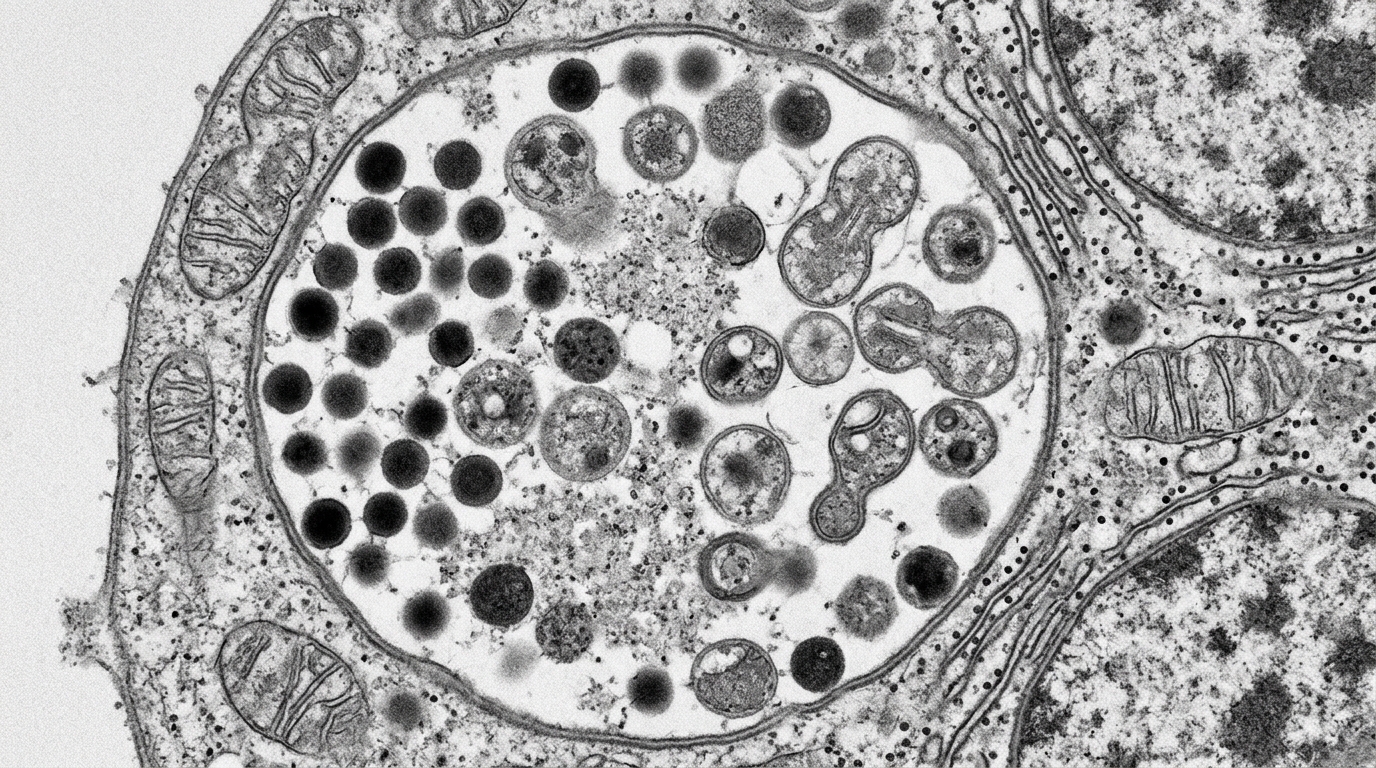
A 45-year-old woman with a decade-long history of occupational exposure to poultry slaughter presented with a severe clinical syndrome characterized by fever, dyspnoea, and profound hypoxaemia. The case, reported in BMC Pulmonary Medicine, describes the development of severe community-acquired pneumonia complicated by hypoxaemic respiratory failure. The patient developed shock requiring vasopressors, acute kidney injury, and liver injury. Human Chlamydia abortus infection can present as severe pneumonia with multiorgan dysfunction in patients with relevant animal exposure.
A predefined targeted next-generation sequencing panel applied to bronchoalveolar lavage fluid did not include C. abortus in its coverage. In contrast, untargeted DNA metagenomic next-generation sequencing of whole blood successfully identified C. abortus. The blood sample yielded 1,157 species-level reads of C. abortus. This case highlights the importance of reviewing assay coverage and interpreting sequencing results in their clinical context.
Conventional microbiological methods failed to isolate a pathogenic cause for the patient’s condition. Four sets of blood cultures showed no growth, and respiratory cultures yielded only normal oropharyngeal flora. The absence of pathogenic growth on these standard tests, combined with negative admission viral tests, left the etiology of the severe pneumonia unresolved through traditional means. The clinical team relied on the combination of the patient’s specific exposure history, compatible clinical and radiological findings, and the positive blood mNGS result to support a probable diagnosis of C. abortus pneumonia.
Treatment included doxycycline, invasive mechanical ventilation, and prone positioning. Vasopressors were administered to maintain hemodynamic stability during the period of shock. Additionally, continuous renal replacement therapy was required to address the acute kidney injury that developed during the acute phase of the illness.
The patient was extubated on hospital day 8. She was subsequently discharged without fever or the need for supplemental oxygen on December 26, 2024.
Follow-up assessment provided further evidence of the patient’s recovery. On January 21, 2025, the patient reported no respiratory symptoms. Chest computed tomography imaging showed complete resolution of the pulmonary opacities that had been present during her acute illness.
The authors conclude that C. abortus merits consideration in the differential diagnosis of severe pneumonia in patients with relevant animal exposure. The case highlights the diagnostic utility of whole-blood mNGS in contributing to the aetiological assessment when targeted panels do not cover the suspected organism. The diagnosis remained probable because respiratory and independent species-specific confirmation were unavailable. The case serves as a reminder to review assay coverage and interpret sequencing results within the broader clinical context, particularly in patients with occupational exposure to animals.
The authors note that the interpretation of sequencing results depends on both the organisms covered by the assay and the specimen tested.
Subject of Research: Diagnosis and treatment of probable Chlamydia abortus pneumonia in a patient with occupational animal exposure
Article Title: Severe pneumonia with multiorgan dysfunction associated with probable Chlamydia abortus infection: a case report
Article References: Zou, Q., & Wei, Z. (2026). Severe pneumonia with multiorgan dysfunction associated with probable Chlamydia abortus infection: a case report. BMC Pulmonary Medicine. https://doi.org/10.1186/s12890-026-04975-9
Image Credits: AI Generated
DOI: 10.1186/s12890-026-04975-9
Keywords: Chlamydia abortus, pneumonia, metagenomic sequencing, case report, multiorgan dysfunction, animal exposure, diagnostic testing, respiratory failure, Severe, multiorgan, dysfunction, associated
News Source: Ophelia Keating. (November 7, 2026). Probable Chlamydia abortus infection linked to severe pneumonia. Scienmag.