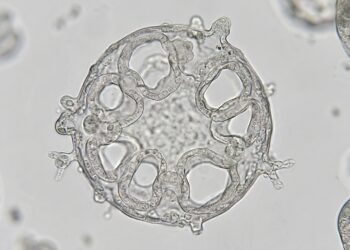
Human Lung Organoids Link Molecular Mechanisms to COVID-19 Susceptibility
A review evaluates human lung organoids as translational models connecting molecular infection mechanisms to epidemiological patterns in COVID-19 susceptibility.
A review evaluates human lung organoids as translational models connecting molecular infection mechanisms to epidemiological patterns in COVID-19 susceptibility.
Two studies show glioblastoma cells follow predictable paths between states, and reprogramming a single regulator improved survival in mouse models.
A new mouse study shows the approved cystic fibrosis drug ivacaftor reduced pulmonary fibrosis by suppressing senescence in alveolar type ...

A new review summarizes how basal stem cells sustain lifelong olfactory epithelium renewal and how single-cell and organoid technologies are ...
A new review maps how 3D bone marrow models, from spheroids to bioprinted and organ-on-chip systems, are being used to ...

Japanese researchers have established the first patient-derived organoid model of canine nasal carcinoma, showing variable drug sensitivities among tumor lines ...
A new EMBO Reports study shows that the lncRNA Carmn sustains basal stemness across mammary, salivary, and lacrimal glands by ...
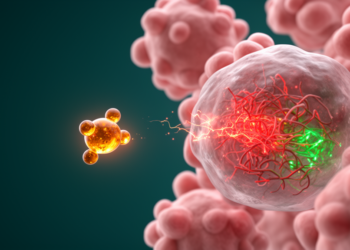
A hydroxylated chalcone derivative called UR-2 suppressed the growth of CD133-positive lung cancer organoids by lowering Thioredoxin-2 expression and triggering ...
A new review examines how Schwann cells grown from human pluripotent stem cells are being used to model peripheral neuropathies ...
Scientists created a mouse colorectal cancer cell line carrying Kras, Apc and Trp53 mutations that forms aggressive rectal tumors resembling ...
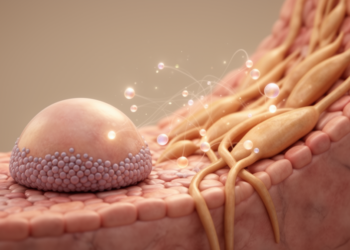
A mouse study finds aged lung progenitor cells retain organoid-forming capacity through heightened autophagy, while senescent Zmpste24-deficient fibroblasts with mTORC1 ...
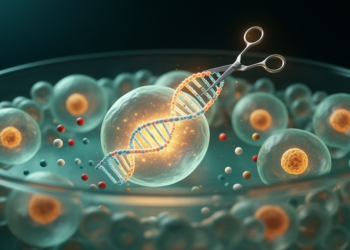
A genome-wide CRISPR screen identifies UGCG-driven sphingolipid metabolism and protective autophagy as drivers of Niraparib resistance in ovarian cancer.
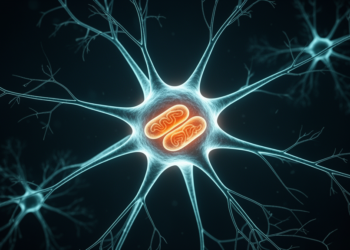
A new human cell model shows that astrocytes lacking the prion protein display increased reactivity markers and mitochondrial abnormalities, yet ...
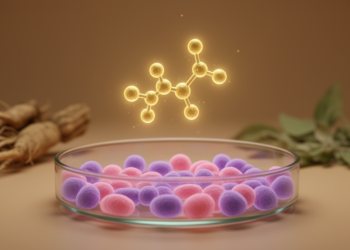
A preclinical study reports that formononetin from Jianpi Tongluo Formula suppresses colorectal cancer progression by inhibiting M2 tumor-associated macrophage polarization ...
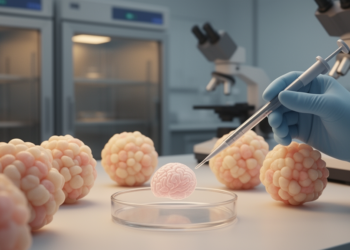
A new review in Medical Oncology examines how organoid and assembloid technologies could overcome the limits of conventional models in ...
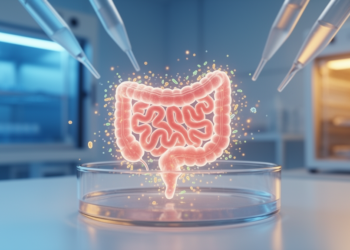
A new review maps which engineered organoid platforms can turn gut microbiota-cancer associations into causal evidence, and where the current ...
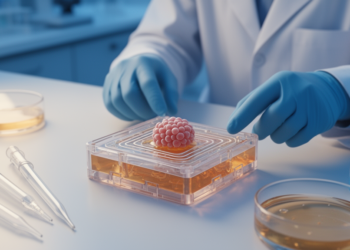
A new review argues that organoids, 3D-bioprinted tissues and organ-on-a-chip systems are replacing traditional cell and animal models in radiation ...
In a laboratory in Chengdu, China, tiny three-dimensional structures have begun to bloom from pieces of human vaginal wall tissue, ...
Preclinical experiments found that tetrandrine promoted ferroptosis in NSCLC models, enhanced CD8⁺ T-cell effector responses and improved anti-PD-1 tumor suppression ...
A two-stage culture system expanded mouse hepatocytes and produced organoids with partial recovery of hepatic metabolism, zonation-related responses and urea ...