• HOME
  • NEWS
  • EXPLORE
    • CAREER
      • Companies
      • Jobs
    • EVENTS
    • iGEM
      • News
      • Team
    • PHOTOS
    • VIDEO
    • WIKI
  • BLOG
  • COMMUNITY
    • FACEBOOK
    • INSTAGRAM
    • TWITTER
Friday, November 6, 2026
BIOENGINEER.ORG
No Result
View All Result
  • Login
  • HOME
  • NEWS
  • EXPLORE
    • CAREER
      • Companies
      • Jobs
        • Lecturer
        • PhD Studentship
        • Postdoc
        • Research Assistant
    • EVENTS
    • iGEM
      • News
      • Team
    • PHOTOS
    • VIDEO
    • WIKI
  • BLOG
  • COMMUNITY
    • FACEBOOK
    • INSTAGRAM
    • TWITTER
No Result
View All Result
Bioengineer.org
No Result
View All Result
Home NEWS Science News Health

Human Lung Organoids Link Molecular Mechanisms to COVID-19 Susceptibility

by
November 6, 2026
in Health
Reading Time: 2 mins read
0
Human Lung Organoids Link Molecular Mechanisms to COVID-19 Susceptibility

Human Lung Organoids Link Molecular Mechanisms to COVID-19 Susceptibility

Share on FacebookShare on TwitterShare on LinkedinShare on RedditShare on Telegram

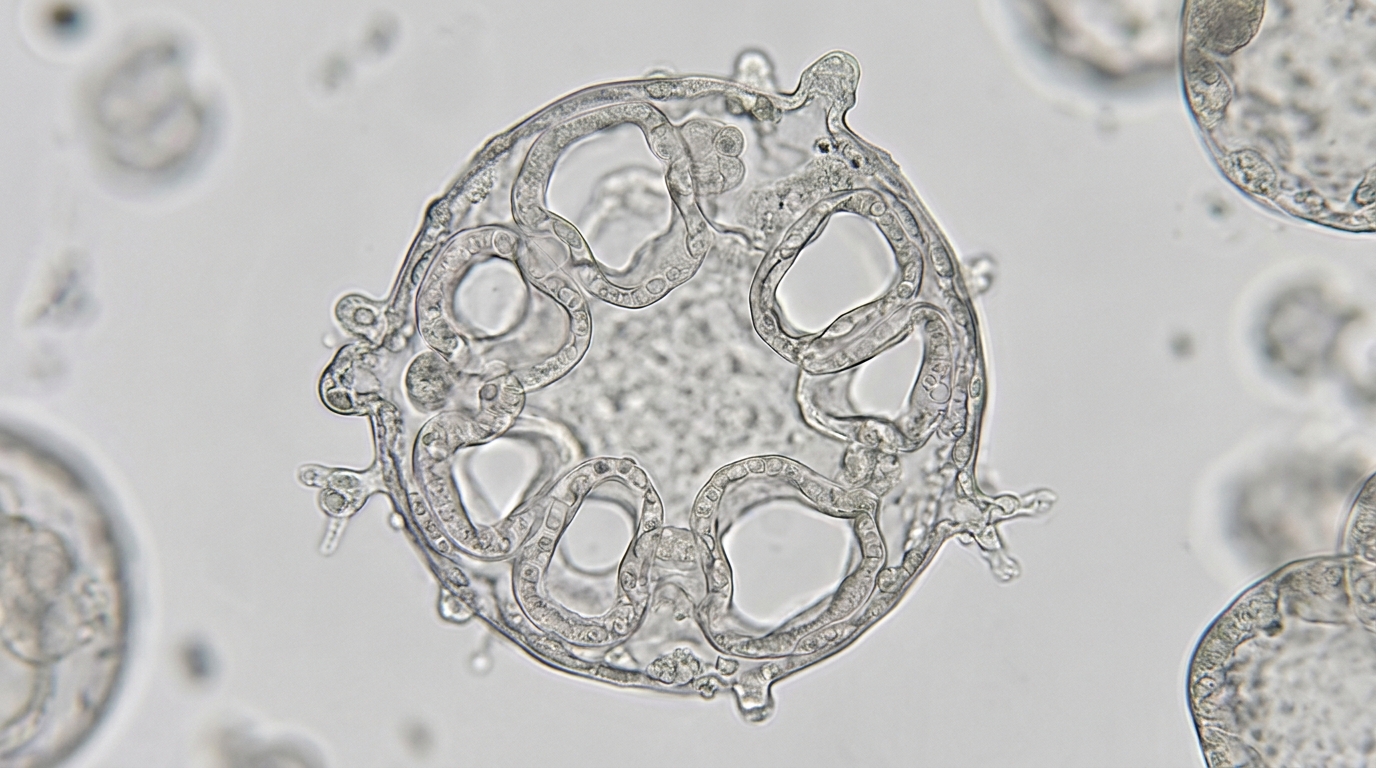
In a review published in Clinical and Experimental Medicine, researchers evaluated the use of human lung organoids for modeling age- and comorbidity-related differences in susceptibility to SARS-CoV-2 infection and linking molecular mechanisms to epidemiological patterns. While the COVID-19 pandemic demonstrated notable variability in disease severity—with older adults and individuals with chronic obstructive pulmonary disease, cardiovascular disease, and metabolic disorders experiencing increased vulnerability—traditional two-dimensional cell cultures and animal models have displayed limited capacity to accurately replicate human lung physiology.

Human lung organoids have emerged as an alternative platform capable of modeling human-specific cellular architecture, host-virus interactions, and disease-relevant biological responses. Investigations highlighted in the review show that lung organoid models can replicate critical hallmarks of SARS-CoV-2 infection, such as viral replication, epithelial injury, and innate immune activation, while also serving as a flexible testbed for evaluating antiviral and host-directed therapeutics under physiologically relevant conditions.

However, direct SARS-CoV-2 studies comparing lung organoids derived from younger and older donors remain limited. Current understanding of age-related mechanisms relies primarily on human tissue analyses, immune-integrated organoids, and age-stratified respiratory epithelial models rather than definitive age-stratified lung organoid experiments. Consequently, the authors conclude that while human lung organoids represent valuable mechanistic tools that strengthen the biological plausibility of epidemiological associations, translational evidence remains incomplete for donor age and several common systemic comorbidities.

Subject of Research: Human lung organoids in modeling COVID-19 susceptibility

Article Title: Human lung organoids as a translational bridge between molecular mechanisms and epidemiological patterns in COVID-19 susceptibility

Article References: Kow, C. S., Ng, N. C.-S., Mohd Rashidin, P. N. U. B., Long, C. M., & Candasamy, M. (2026). Human lung organoids as a translational bridge between molecular mechanisms and epidemiological patterns in COVID-19 susceptibility. Clinical and Experimental Medicine. https://doi.org/10.1007/s10238-026-02379-x

Image Credits: AI Generated

DOI: 10.1007/s10238-026-02379-x

Keywords: COVID-19, SARS-CoV-2, lung organoids, viral susceptibility, translational models, respiratory epithelium, comorbidities, aging, Human, lung, organoids, translational

News Source: Ophelia Keating. (November 6, 2026). Human Lung Organoids Link Molecular Mechanisms to COVID-19 Susceptibility. Scienmag.

Tags: AgingComorbiditiesCOVID-19humanlunglung organoidsorganoidsrespiratory epitheliumSARS-CoV-2Translationaltranslational modelsviral susceptibility
Share12Tweet7Share2ShareShareShare1

Related Posts

Cells juggle two routes to make DNA building blocks, review finds

Cells juggle two routes to make DNA building blocks, review finds

November 6, 2026
Thrice-Weekly Iron Pills Match Daily Dosing in Dialysis Patients, 18-Year Audit Finds

Thrice-Weekly Iron Pills Match Daily Dosing in Dialysis Patients, 18-Year Audit Finds

November 6, 2026

Smart Brain CT Protocols Slash Radiation Exposure and Modeled Cancer Risks

November 6, 2026

Child marriage alone does not explain why Somali women accept wife-beating

November 6, 2026

POPULAR NEWS

  • Diabetes and pre-treatment fatigue flag men at risk of years-long exhaustion after prostate radiotherapy

    Diabetes and pre-treatment fatigue flag men at risk of years-long exhaustion after prostate radiotherapy

    29 shares
    Share 12 Tweet 7
  • Two neighboring Tibetan townships, one shared policy, and two very different fates for their grasslands

    29 shares
    Share 12 Tweet 7
  • Solid-state caloric cooling edges closer to replacing vapour compression

    29 shares
    Share 12 Tweet 7
  • Review examines microbial oil fermentation strategies and industrial scale-up barriers

    29 shares
    Share 12 Tweet 7

About

We bring you the latest biotechnology news from best research centers and universities around the world. Check our website.

Follow us

Recent News

Nondisruptive Spatial Imaging Maps Combinations of Epigenetic Marks in Single Cells

Solid Waste Geopolymer Pervious Concrete Balances Strength and Water Permeability

Snail-shell catalyst turns high-acid jatropha oil into biodiesel in one step

Subscribe to Blog via Email

Enter your email address to subscribe to this blog and receive notifications of new posts by email.

Join 86 other subscribers
  • Contact Us

Bioengineer.org © Copyright 2023 All Rights Reserved.

Welcome Back!

Login to your account below

Forgotten Password?

Retrieve your password

Please enter your username or email address to reset your password.

Log In
No Result
View All Result
  • Homepages
    • Home Page 1
    • Home Page 2
  • News
  • National
  • Business
  • Health
  • Lifestyle
  • Science

Bioengineer.org © Copyright 2023 All Rights Reserved.