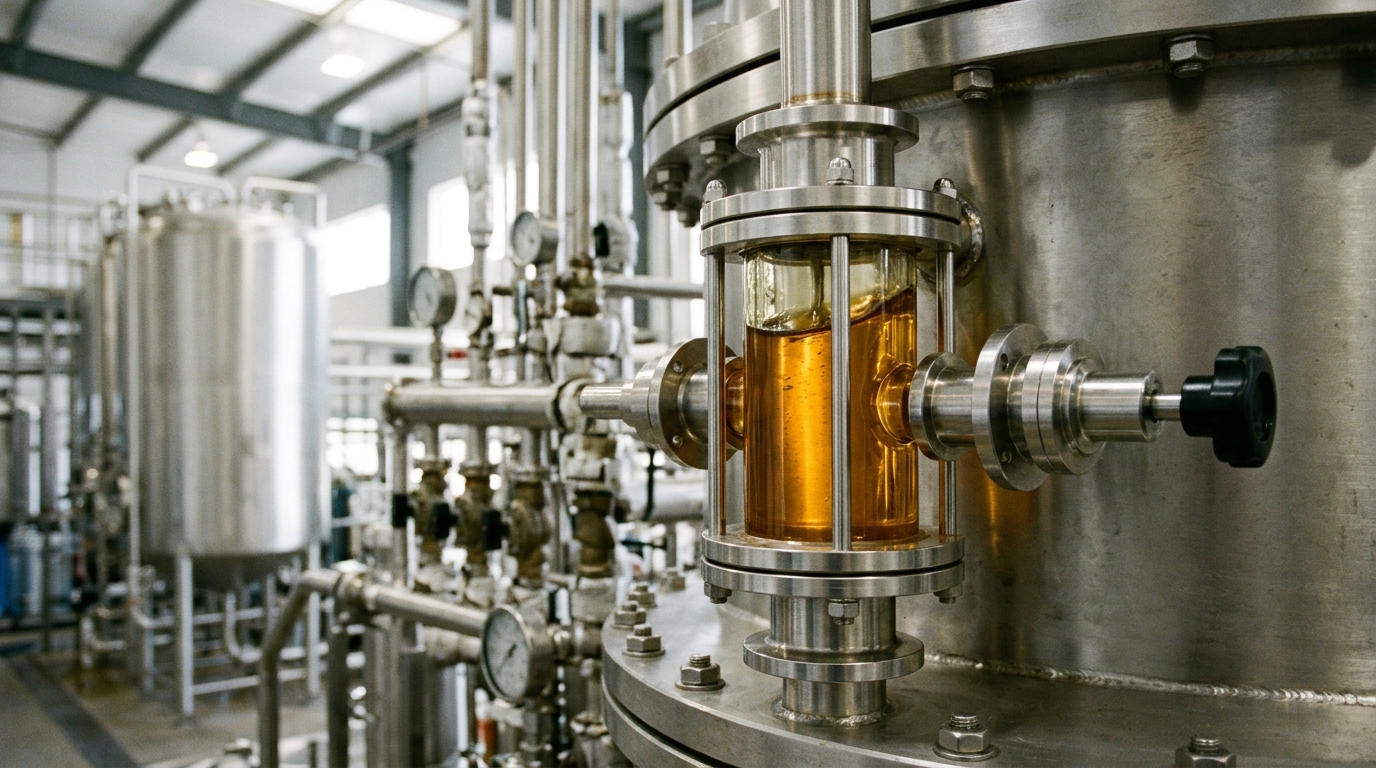
A review published in Frontiers in Bioengineering and Biotechnology examines how yeasts, filamentous fungi, bacteria and microalgae accumulate lipids and evaluates processes for microbial oil production. The authors, researchers affiliated with the Singapore Institute of Food and Biotechnology Innovation and partner institutions, argue that microbial oils have been commercially produced since the 1980s, yet widespread industrial adoption remains limited because production costs still exceed those of conventional oils and fats.
The review defines oleaginous microorganisms as those capable of accumulating more than 20 percent of their dry biomass as lipids, with some strains reaching substantially higher levels under optimized conditions. Among yeasts, species such as Yarrowia lipolytica, Rhodosporidium toruloides and Lipomyces starkeyi have received the greatest attention. Filamentous fungi including Mortierella alpina and Mucor circinelloides are valued for their production of polyunsaturated fatty acids, while bacterial genera such as Rhodococcus and Streptomyces have demonstrated lipid contents that can exceed 70 percent of dry weight in some species. Microalgae, including Chlorella, Nannochloropsis and Schizochytrium, round out the roster with the added ability to fix carbon dioxide photosynthetically.
Under extractive fermentation conditions, engineered Y. lipolytica has achieved a total equivalent lipid production of 120.4 percent of dry cell weight, with secreted fatty acids continuously recovered using dodecane. Cutaneotrichosporon oleaginosus can accumulate up to 60 percent lipids across a wide range of substrates, from acetic acid to wastepaper. Trichosporon cutaneum reached 76.8 percent lipid content after adaptive evolution, and R. toruloides achieved 78.3 percent in a glycerol-based medium supplemented with the surfactant Tween 20. Among filamentous fungi, Mortierella isabellina and Cunninghamella echinulata have been found to store up to 86 and 57 percent of lipids in dry biomass respectively while growing on raw glycerol.
These organisms are attractive for reasons beyond raw lipid content. They can be cultivated independently of arable land, on low-cost or waste-derived substrates, and their doubling times are measured in hours rather than the extended growth cycles of seasonal crops. Microbial lipids can complement or potentially replace traditional lipid sources, and they can be transesterified with methanol to yield biodiesel or with short-chain alcohols to produce fatty acid alkyl esters with potential flavor applications. TAGs rich in stearic, oleic and palmitic acids can also serve as cocoa butter equivalents, a product in high demand across the food and cosmetic industries.
The review traces a commercial history that began in the 1980s with M. circinelloides producing an oil rich in gamma-linolenic acid, followed by M. alpina for arachidonic acid production. In 2006, commercial production of microbial lipids using yeasts began under DuPont and CPKelco, employing a genetically modified Y. lipolytica strain to produce polyunsaturated fatty acids containing increased amounts of C20 fatty acids, mostly eicosapentaenoic acid. More recently, bioengineered strains of R. toruloides and L. starkeyi have been explored for lignocellulosic biomass-to-lipid conversion by the Agile BioFoundry at the U.S. Department of Energy. Despite these milestones, the review notes that pilot-scale production has been demonstrated for only a handful of organisms, and price parity with vegetable oils has not been reached, especially in the food industry.
Central to the review is the carbon-to-nitrogen ratio, described as a key factor governing lipid accumulation across microorganisms. Lipid accumulation is commonly promoted under nitrogen-limited conditions, where excess carbon is directed toward lipid biosynthesis rather than growth. However, achieving high C/N ratios typically requires high initial carbon loading, which can cause substrate inhibition, osmotic stress and reduced overall productivity. The authors note that a C/N ratio above 40 has generally been considered favorable for promoting lipid accumulation, though the review also highlights species-specific responses, such as R. toruloides tolerating 150 grams per liter of glucose while Y. lipolytica achieved relatively low biomass concentrations at far lower substrate levels.
To overcome these limitations, the review examines fed-batch and two-stage cultivation strategies. Fed-batch processes enable controlled substrate feeding and nutrient supplementation, preventing excessive substrate concentrations while extending the productive cultivation period. In a 200-hour fed-batch cultivation of L. starkeyi, researchers achieved a cell density of 109.80 grams per liter and a lipid titer of 64.60 grams per liter. McNeil and Stuart reported fed-batch cultures of L. starkeyi reaching a cell density of 153 grams per liter with lipid contents of 60 to 70 percent of dry cell weight across various feedstocks. Fed-batch cultivation using glycerol as a carbon source has also resulted in twice the lipid productivity compared to batch mode.
The two-stage strategy emerges as the review’s most promising approach for maximizing lipid productivity. It consists of an initial nitrogen-sufficient phase to maximize biomass formation, followed by a nitrogen-limited phase to induce lipid accumulation. In one example, L. starkeyi was first cultivated in a nutrient-rich medium, then resuspended in a glucose solution without auxiliary nutrients, achieving lipid productivity of 1.6 to 2 grams per liter per hour and a lipid yield of 64.9 percent by weight during the second stage. In another case, R. toruloides was grown with glucose at a C/N ratio of 5 for four days, then resuspended in acetic acid-based media at a C/N ratio of 200, yielding a final biomass of 6.75 grams per liter with 50.1 percent lipid content. The review also highlights how stepwise control of temperature and dissolved oxygen, when combined across the phases, can further enhance lipid production, citing examples where lowering temperature during the lipid synthesis phase significantly improved accumulation in both filamentous fungi and oleaginous yeasts.
Despite this promise, the review identifies a critical gap: the optimal timing and conditions for transition between growth and lipid-accumulation phases remain poorly characterized across strains and feedstocks. This is especially complicated when waste-derived substrates are used, as variability in nutrient composition may necessitate dynamic rather than fixed switching points. Two-stage batch processes also require at least two separate vessels, adding challenges of aseptic cell transfer and increased downtime. The authors suggest that a deliberately designed two-stage medium, in which nitrogen is nearly exhausted by the end of the growth phase and carbon feeding is continued to drive lipid synthesis, may improve process simplicity.
The economic gap remains substantial. Current microbial cell oil processes are estimated at 2.4 to 5.8 US dollars per kilogram, compared to 0.7 to 1.2 dollars per kilogram for conventional vegetable oils. Yet commercial applications are already expanding, with microalgal oils accounting for 3.3 percent of the total omega-3 fatty acid market by volume in 2022. Companies including dsm-firmenich, Corbion and Archer-Daniels-Midland have commercialized fermentation-derived oils rich in DHA, EPA and ARA for infant nutrition, dietary supplements, aquaculture feed and functional foods. Start-ups such as NoPalm Ingredients and C16 Biosciences are developing microbial lipid platforms as alternatives to conventional vegetable oils, particularly palm oil. The review concludes that closing the economic gap will require progress on multiple fronts simultaneously, including higher titers and productivity, more efficient downstream processing, and integrated process optimization that couples strain selection with feedstock characteristics and process mode.
Subject of Research: Strain diversity and fermentation strategies for microbial oil production
Article Title: Microbial oils for biotechnology: strain diversity, advanced fermentation and industrial scale-up
Article References: Khongsay, N., Chua, X. Y., Ottenheim, C., Liu, S. Q., & Weingarten, M. (2026). Microbial oils for biotechnology: strain diversity, advanced fermentation and industrial scale-up. Frontiers in Bioengineering and Biotechnology, 14, Article 1939238. https://doi.org/10.3389/fbioe.2026.1939238
Image Credits: AI Generated
DOI: 10.3389/fbioe.2026.1939238
Keywords: microbial oils, oleaginous microorganisms, single-cell oil, fed-batch fermentation, two-stage fermentation, triacylglycerols, omega-3 fatty acids, Yarrowia lipolytica, carbon-to-nitrogen ratio, industrial biotechnology, microalgae, scale-up
News Source: Morgan Morrow. (November 6, 2026). Review examines microbial oil fermentation strategies and industrial scale-up barriers. Scienmag.