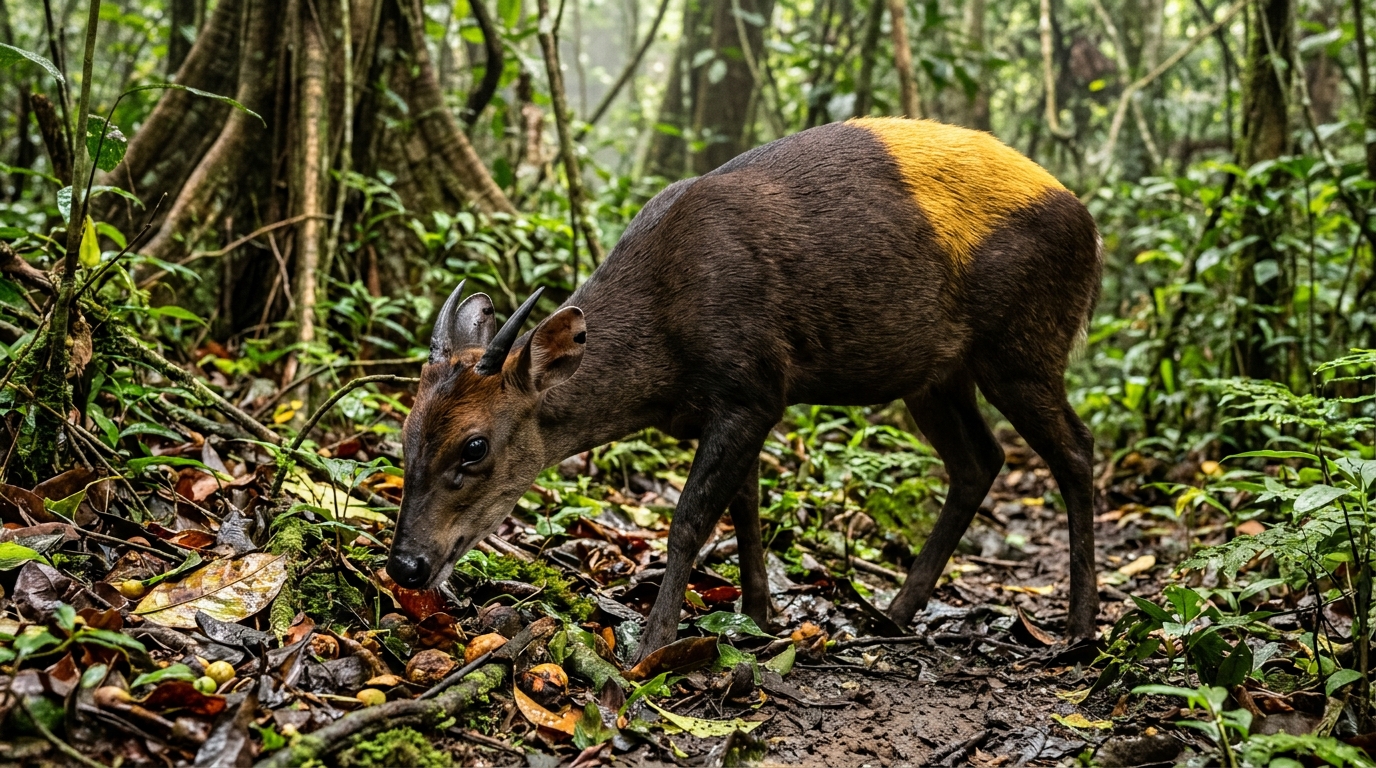
Dental microwear texture analysis of the yellow-backed duiker (Cephalophus silvicultor) reveals significant dietary changes across the twentieth century, according to a historical dietary ecology study conducted by researchers Andrew Schwartz, Jessica R. Scott, Robert S. Scott, and Larisa R. G. DeSantis. The research team identified significant increases in dental microwear complexity alongside significant decreases in anisotropy over time in specimens of this near-threatened species. These physical wear patterns indicate that yellow-backed duikers consumed a greater contribution of hard or brittle foods, reduced their consumption of tough foods, or experienced both dietary shifts over the course of the twentieth century.
To evaluate how diet evolved over time in Cephalophus silvicultor, the authors utilized dental microwear texture analysis, commonly abbreviated as DMTA. The versatile analytical methodology serves as an established tool for inferring diet across an array of animal species and has been utilized to explore dietary differences across species, habitats, climates, and timescales spanning both historical and deep time. In this investigation, the scientists examined DMTA signatures of Cephalophus silvicultor individuals from across the twentieth century. To effectively reconstruct dietary ecology, the authors also gathered and compared dental microwear data from other African bovids, including two additional duiker species, Philantomba monticola and Sylvicapra grimmia.
In addition to comparing surface textures across species, the research team analyzed the resulting microwear data using principal component analysis and quadratic discriminant analysis to build a predictive model of foraging ecology. The statistical model proved very effective at correctly classifying individual animals within their observed ecological guilds. Notably, the study detected significant differences between cephalophines of the same size or guild. Despite their close phylogenetic similarity, the sampled duikers displayed significant differences in dental microwear textures. The authors emphasize that these results provide further evidence that dental microwear textures reflect ecological behavior much more strongly than phylogenetic relationships.
The documented rise in complexity and decline in anisotropy point to meaningful dietary and ecological transitions for the yellow-backed duiker throughout the twentieth century. According to the study, these textural signatures are consistent with a greater contribution of hard or brittle foods and a reduced consumption of tough foods over time. The authors note that these dietary patterns may reflect underlying changes in resource use, habitat loss, hunting pressure, or other ecological factors. Because the historical sample traces these shifts across the twentieth century, the researchers suggest that these patterns provide useful hints at potential responses of animals to anthropogenic stresses in the future.
Subject of Research: Historical dietary ecology and dental microwear texture analysis of the yellow-backed duiker
Article Title: Historical dietary ecology of the Yellow-backed Duiker traces dietary change across the 20 th century
Article References: Schwartz, A., Scott, J. R., Scott, R. S., & DeSantis, L. R. G. (2026). Historical dietary ecology of the Yellow-backed Duiker traces dietary change across the 20th century. PLOS Ecosystems, 1(3), e0000035. https://doi.org/10.1371/journal.pesy.0000035
Image Credits: AI Generated
DOI: 10.1371/journal.pesy.0000035
Keywords: yellow-backed duiker, dental microwear texture analysis, Cephalophus silvicultor, dietary ecology, African bovids, foraging ecology, anthropogenic stress, wildlife ecology, Historical, dietary, ecology, Yellow-backed
News Source: Daisy Hatcher. (November 6, 2026). Dental Microwear Traces Century of Dietary Shifts in Yellow-Backed Duikers. Scienmag.