• HOME
  • NEWS
  • EXPLORE
    • CAREER
      • Companies
      • Jobs
    • EVENTS
    • iGEM
      • News
      • Team
    • PHOTOS
    • VIDEO
    • WIKI
  • BLOG
  • COMMUNITY
    • FACEBOOK
    • INSTAGRAM
    • TWITTER
Thursday, October 29, 2026
BIOENGINEER.ORG
No Result
View All Result
  • Login
  • HOME
  • NEWS
  • EXPLORE
    • CAREER
      • Companies
      • Jobs
        • Lecturer
        • PhD Studentship
        • Postdoc
        • Research Assistant
    • EVENTS
    • iGEM
      • News
      • Team
    • PHOTOS
    • VIDEO
    • WIKI
  • BLOG
  • COMMUNITY
    • FACEBOOK
    • INSTAGRAM
    • TWITTER
No Result
View All Result
Bioengineer.org
No Result
View All Result
Home NEWS Science News Health

Removing Prion Protein from Human Astrocytes Alters Reactivity and Mitochondria but Not Neuronal Support

by
October 28, 2026
in Biology, Health
Reading Time: 2 mins read
0
Removing Prion Protein from Human Astrocytes Alters Reactivity and Mitochondria but Not Neuronal Support

Removing Prion Protein from Human Astrocytes Alters Reactivity and Mitochondria but Not Neuronal Support

Share on FacebookShare on TwitterShare on LinkedinShare on RedditShare on Telegram

Human prion diseases are fatal neurodegenerative conditions driven by the misfolding and aggregation of the cellular prion protein, known as PrP. Because current therapeutic strategies aim to remove PrP from the brain to reduce its availability, researchers have intensively studied the protein’s role in neurons. A new study addresses this gap with a novel human cell model built from astrocytes isolated from dorsal forebrain organoids.

The model differs from a common alternative approach. Astrocytes derived directly from induced pluripotent stem cells tend to be relatively uniform, whereas the organoid-isolated cells used here are more heterogeneous and, according to the authors, better represent the cell morphology seen in the human brain.

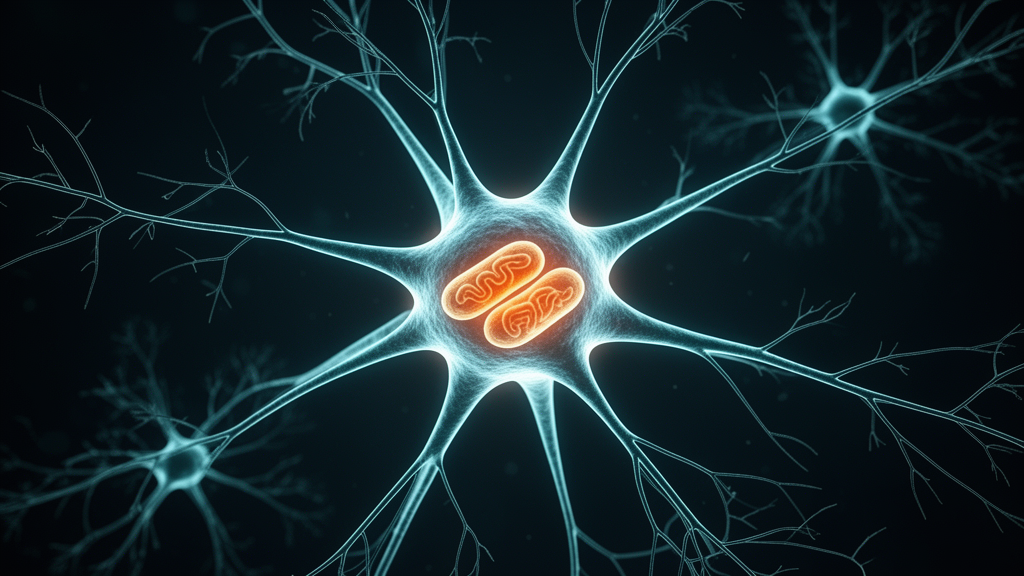
Comparing PrP knockout astrocytes with wild-type astrocytes, the researchers found that loss of the protein was associated with increased markers of reactivity and more pro-inflammatory properties. The cells also showed an increased mitochondrial density and impaired mitochondrial function, linking PrP absence to measurable changes in the organelles that supply cellular energy.

Those changes did not translate into harm to neurons, however. The PrP knockout astrocytes did not secrete neurotoxic molecules, and in the study’s in vitro tests they were able to support neurons as well as wild-type astrocytes did. The authors summarize the central takeaway as follows: despite changes in reactivity and mitochondrial function, the absence of PrP does not render human astrocytes neurotoxic or unable to support neuronal function in the laboratory setting.

The result carries weight for therapeutic development. If removing PrP from the brain is the goal of emerging prion disease treatments, the new findings suggest that its loss in astrocytes produces reactivity and mitochondrial changes but not a toxic glial environment, at least under the conditions tested. The work is published in Cellular and Molecular Neurobiology as an open-access original research article, with a version shared early to provide faster access to the peer-reviewed, accepted research; the published version remains subject to further editorial edits before the final Version of Record replaces it.

Subject of Research: The effects of prion protein knockout in a novel human astrocyte model derived from forebrain organoids

Article Title: Knock-Out of Prion Protein Associated with Reactivity and Mitochondrial Abnormalities in a Novel Human Astrocyte Model

Article References: Hay, A., Williams, K., Groveman, B., Foliaki, S., Shue, B., & Haigh, C. (2026). Knock-Out of Prion Protein Associated with Reactivity and Mitochondrial Abnormalities in a Novel Human Astrocyte Model. Cellular and Molecular Neurobiology. https://doi.org/10.1007/s10571-026-01824-5

Image Credits: AI Generated

DOI: 10.1007/s10571-026-01824-5

Keywords: prion protein, astrocytes, prion diseases, organoids, mitochondria, reactivity, neuroinflammation, induced pluripotent stem cells, neurodegeneration, cell model, Knock-Out, Prion

News Source: Drew Townsend. (October 28, 2026). Removing Prion Protein from Human Astrocytes Alters Reactivity and Mitochondria but Not Neuronal Support. Scienmag.


Tags: Astrocytescell modelinduced pluripotent stem cellsKnock-OutmitochondrianeurodegenerationNeuroinflammationorganoidsPrionprion diseasesprion proteinreactivity
Share12Tweet7Share2ShareShareShare1

Related Posts

Antidepressant Prescribing in Turkish Children and Adolescents Is Often Off-Label, Study Finds

Antidepressant Prescribing in Turkish Children and Adolescents Is Often Off-Label, Study Finds

October 29, 2026
Vaginal microbiome screening reveals vaccine strain reactivation at lambing in ewes

Vaginal microbiome screening reveals vaccine strain reactivation at lambing in ewes

October 29, 2026

Android’s Health Connect Tightens Data Privacy but Leaves Encryption Gaps

October 29, 2026

Wine lees transformed into antifungal mixtures against grapevine trunk disease

October 29, 2026

POPULAR NEWS

  • One Transformer Reads Three Brain-Signal Types at Once, Hitting 71% Accuracy

    One Transformer Reads Three Brain-Signal Types at Once, Hitting 71% Accuracy

    29 shares
    Share 12 Tweet 7
  • Research report: Case Report: Probable paroxysmal sympathetic hyperactivity during vascular and postoperative critical illness with bilateral white matter abnormalities

    29 shares
    Share 12 Tweet 7
  • Propionate, Not Extra Protein, Drives Reproductive Gains in Young Range Cows

    29 shares
    Share 12 Tweet 7
  • Deep Learning Model Predicts Adhesive Hydrogel Strength Under Distribution Shift

    29 shares
    Share 12 Tweet 7

About

We bring you the latest biotechnology news from best research centers and universities around the world. Check our website.

Follow us

Recent News

Gamma Irradiation Reshapes the Volatile Chemistry and Antibacterial Power of Mugwort Leaf Oil

Antidepressant Prescribing in Turkish Children and Adolescents Is Often Off-Label, Study Finds

Why people who think they eat healthily often do not

Subscribe to Blog via Email

Enter your email address to subscribe to this blog and receive notifications of new posts by email.

Join 85 other subscribers
  • Contact Us

Bioengineer.org © Copyright 2023 All Rights Reserved.

Welcome Back!

Login to your account below

Forgotten Password?

Retrieve your password

Please enter your username or email address to reset your password.

Log In
No Result
View All Result
  • Homepages
    • Home Page 1
    • Home Page 2
  • News
  • National
  • Business
  • Health
  • Lifestyle
  • Science

Bioengineer.org © Copyright 2023 All Rights Reserved.