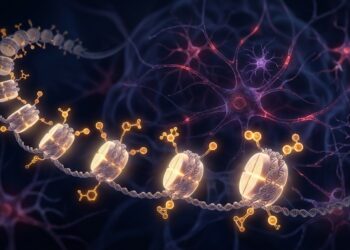
Histone Marks May Hold Alzheimer’s Inflammation in a Persistent State
A new review proposes that histone post-translational modifications sustain neuroinflammation in Alzheimer's disease by encoding pathological immune memory in chromatin.
A new review proposes that histone post-translational modifications sustain neuroinflammation in Alzheimer's disease by encoding pathological immune memory in chromatin.
Researchers identified trauma-associated microglia that persist chronically after mouse traumatic brain injury and drive exaggerated inflammatory responses and tissue damage.
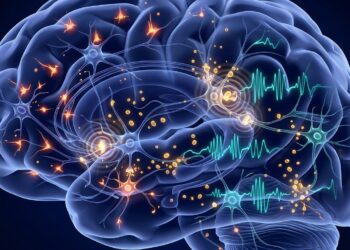
A new mini review details how the lactate receptor HCAR1 modulates neuronal firing across the brain through region-specific ion channel ...
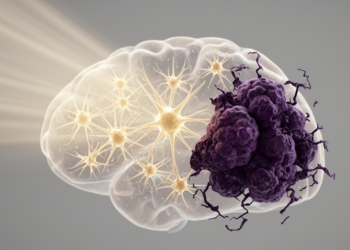
A new Cell Death Discovery study shows FLASH radiotherapy preserves mitochondrial function in healthy astrocytes while driving sustained redox and ...
Patient-derived astrocytes and human brain slice models reveal water-transport, immune and cytoskeletal abnormalities linked to CDKL5 loss.
A PRISMA-guided scoping review of 40 studies argues that astrocytes act as early, active contributors to chronic traumatic encephalopathy rather ...

A cross-sectional study of 325 screened Danish biobank participants establishes age-specific upper reference limits for Simoa-measured CSF GFAP, which rise ...
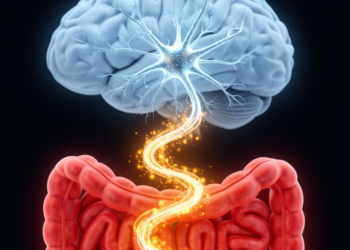
A new review proposes that reactive astrocytes with A1-like features may connect intestinal inflammation in IBD to comorbid depression through ...
A blood-based cholesterol metabolite, 24S-hydroxycholesterol, shows reduced levels in IUGR infants and predicts neurodevelopmental risk in new mouse and clinical ...
A mouse study of traumatic brain injury found that astrocytes increase mitochondrial transfer to neurons via extracellular vesicles, a response ...
Deleting the Polycomb protein PCGF1 in the mouse dorsal forebrain selectively blocks astrocyte production by lifting repression of N4bp1, a ...
A new mouse and cell study found that the plant flavonoid apigenin improved chemically induced cognitive deficits by activating GPR30 ...
A mouse study finds that age- and diet-dependent changes in astrocyte complexity within the hippocampal temporoammonic pathway parallel spatial learning ...

Researchers built a human blood-brain barrier model combined with antiviral testing, validated it with anti-HIV drugs, showed TBEV crosses an ...
A systematic comparison shows four neuroscience simulation tools produce consistent calcium reaction–diffusion results, while astrocyte branchlet geometry strongly shapes signaling.
A mouse study found that an asymmetric 0.16/0.18-mm BCAS configuration produced earlier cognitive impairment, more persistent sensorimotor deficits, and more ...
A mouse and cell-culture study finds that the RET protein in astrocytes helps protect nearby neurons from hemin-induced apoptosis after ...
A new review argues that disrupted lipid handling in astrocytes may amplify motor neuron injury and disease progression in ALS.
A new human cell model shows that astrocytes lacking the prion protein display increased reactivity markers and mitochondrial abnormalities, yet ...
A new review proposes that the astrocytic stress-responsive protein NDRG2 coordinates multiple depression-related pathways and may serve as a precise ...