Graphene Oxide Hydrogel Effectively Adsorbs Basic Blue 12 Dye from Water
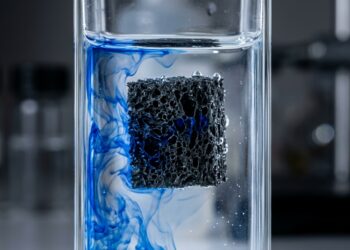
A dual-crosslinked pectin, xanthan gum, and poly(vinyl alcohol) hydrogel reinforced with graphene oxide achieved high Basic Blue 12 dye removal ...
A dual-crosslinked pectin, xanthan gum, and poly(vinyl alcohol) hydrogel reinforced with graphene oxide achieved high Basic Blue 12 dye removal ...
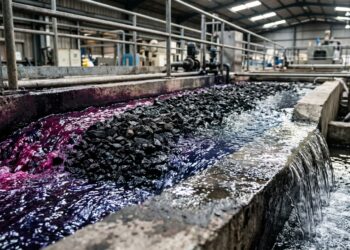
Two sol–gel-made strontium–magnesium–manganese oxide/carbon nanohybrids removed the toxic cationic dye Methyl Violet 2B from water, with the 600 °C sample ...
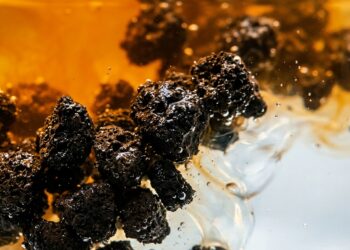
Researchers prepared polyaniline-functionalized magnetic activated carbon to efficiently remove methyl orange dye from water through spontaneous and endothermic monolayer chemisorption.
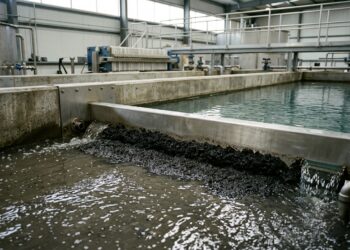
A new HCNFF–AQAI-Net framework predicts ZnO-modified Fe₂O₃ nanoparticle performance with 98.88% accuracy and automatically optimizes synthesis for wastewater treatment.
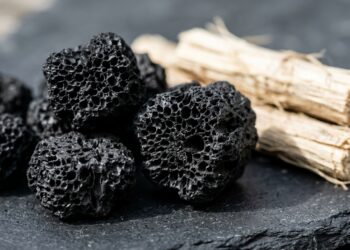
Researchers in Japan converted waste jute sticks into ultraporous biochar using pressurized CO2 activation, achieving a 57.4 wt% yield, a ...
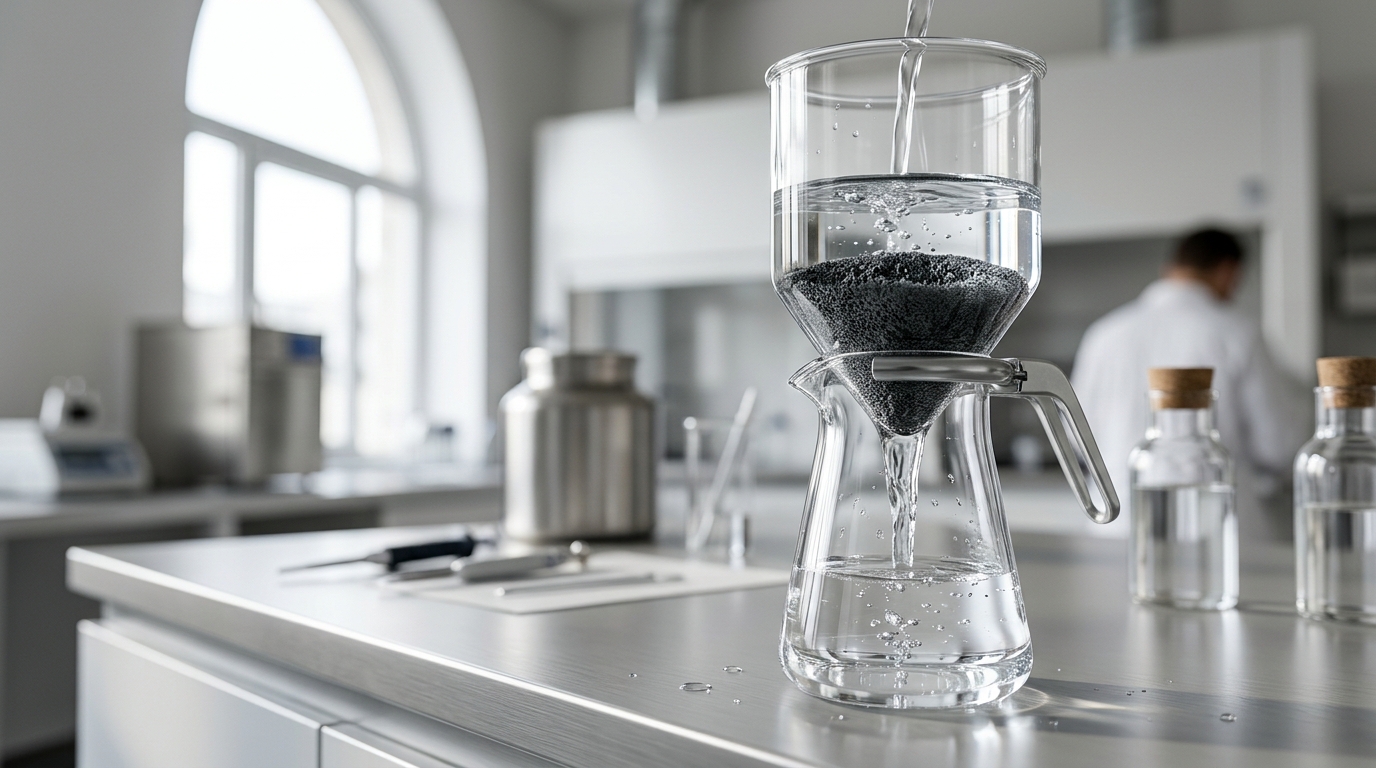
A titanium dioxide–graphene oxide nanocomposite optimized by response surface methodology and an artificial neural network removed ciprofloxacin from water and ...
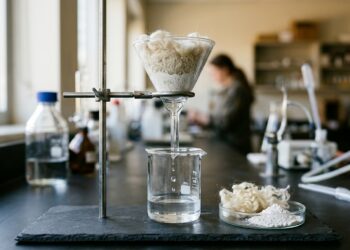
A magnetized kaolin–sheep wool composite adsorbent built from locally sourced kaolin and waste sheep wool achieved 99.97% removal of hexavalent ...

Researchers combined waste cotton stalks and eggshells into a microwave-grafted, calcium-rich biochar that removes tetracycline from water with a maximum ...
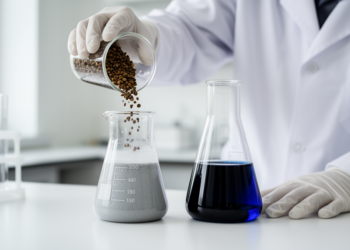
Researchers green-synthesized silver-doped nanoparticles from Moringa oleifera seeds, optimized their removal of methylene blue dye, and tested them on real ...
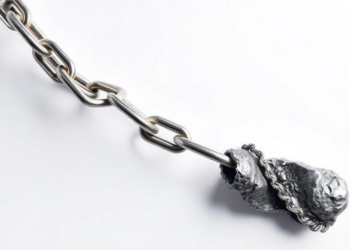
DFT calculations and flotation experiments show that butyl xanthate beats ethyl xanthate on pyrite through reduced steric hindrance, weaker intermolecular ...
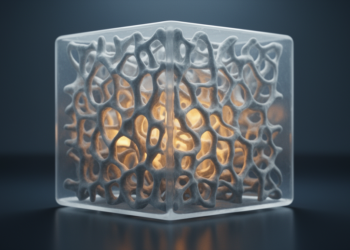
PorousGen produces solver-ready voxel geometries for eight porous-media architectures, with porosity matched exactly to the requested value for four of ...
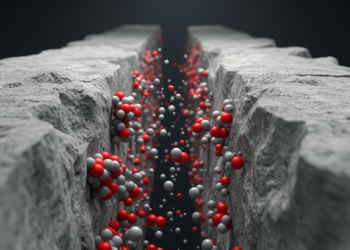
Molecular dynamics and DFT simulations show that the phase state of CO2 and the hydroxylation of C–S–H surfaces jointly control ...
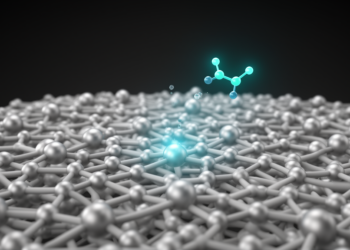
A DFT-based mini-review identifies tungsten-modified graphitic carbon nitride, with an adsorption energy of -3.104 eV, as the strongest computational candidate ...
A new review compares absorption, adsorption, membrane, and supergravity approaches for capturing CO2 from post-combustion flue gas and outlines future ...
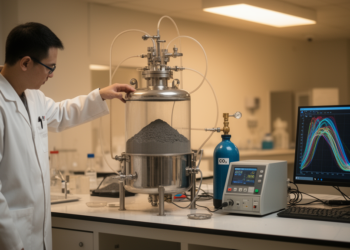
A Gaussian process surrogate model trained on 346 fixed-bed adsorption experiments was coupled with genetic and swarm-based optimization to balance ...
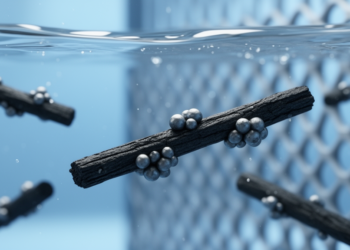
A laboratory study found that most lead in filtered effluent from activated carbon and biochar systems was bound to residual ...
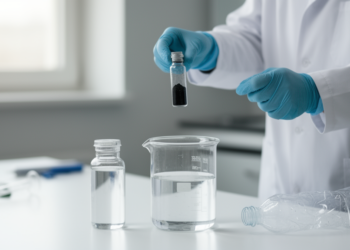
A magnetic mesoporous carbon made from PET bottle waste and acid mine drainage adsorbs PFOA and PFUnDA from water and ...
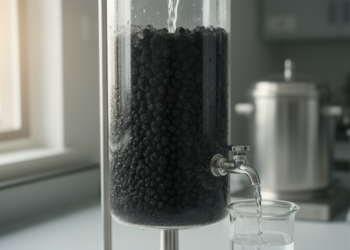
KOH-activated biochar made from Pinus roxburghii pinecones removed up to 83.59 percent of Mn(II) from water under statistically optimized conditions ...
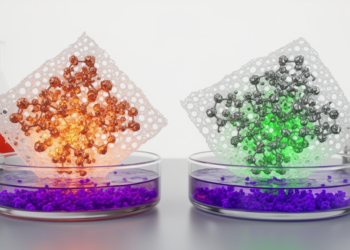
Researchers fabricated two otherwise identical cellulose-supported MOF films and found the copper-based version adsorbed more methylene blue while the nickel-based ...
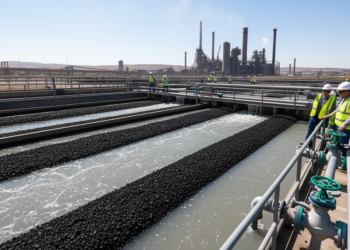
Biochar produced from chicken manure in a 15-ton-per-day pyrolysis system removed 97.3% of zinc from real smelter wastewater in experiments.