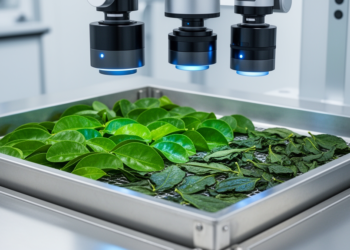
Bamboo Biochar Loaded with Iron Nanoparticles Strips Antibiotic from Wastewater
A bamboo biochar composite carrying iron nanoparticles removed 98 percent of the antibiotic ceftaroline from water in 60 minutes and ...
A bamboo biochar composite carrying iron nanoparticles removed 98 percent of the antibiotic ceftaroline from water in 60 minutes and ...

Gas sensors built from hematite, the common iron oxide mineral known to chemists as α-Fe2O3, may owe much of their ...
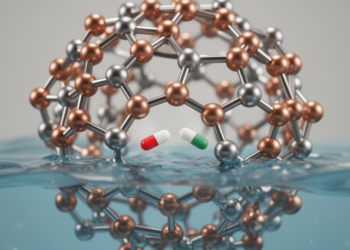
A bimetallic NiCu-BTC metal–organic framework removed fluoxetine and venlafaxine from aqueous solutions, achieving maximum binary adsorption capacities of 82.5 and ...
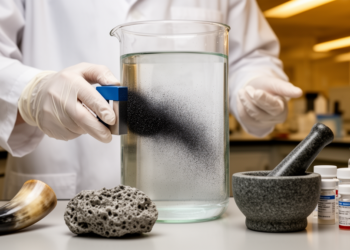
Researchers synthesized a magnetite-functionalized cow horn and pumice biocomposite that removed more than 99.8 percent of hexavalent chromium from aqueous ...
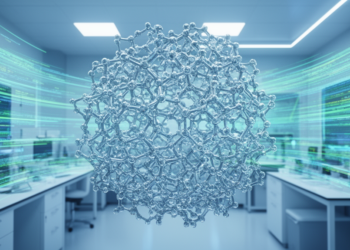
Scientists have released the Open DAC 2025 dataset, comprising nearly 60 million DFT calculations for gas adsorption in 15,000 metal–organic ...
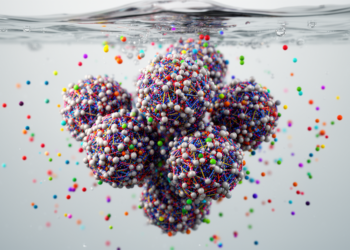
Researchers created multiphase strontium, magnesium, and barium oxide-carbon nanocomposites that adsorb malachite green with capacities up to 371.75 mg/g and ...
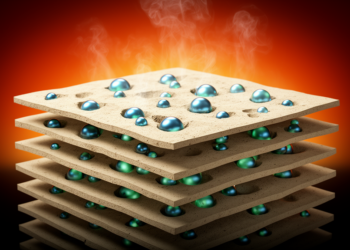
Thermal activation of bentonite at 300 degrees Celsius enhances its capacity to remove copper ions from water by modifying the ...
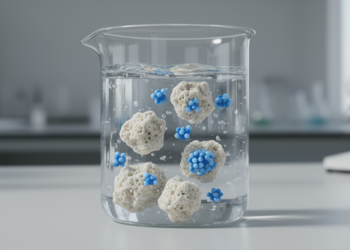
A laboratory study found that sodium acetate- and sodium 2-ethylhexyl sulfate-modified natural zeolite removed more than 90% of ammonia nitrogen ...
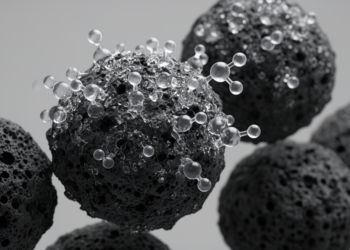
A new study shows that potassium hydroxide treatment of commercial microporous activated carbon triples gaseous formaldehyde adsorption capacity by introducing ...
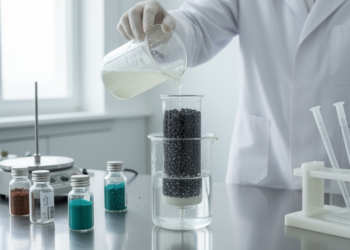
A bimetallic iron-manganese metal-organic framework with a 1:5 precursor ratio achieved the highest reported tetracycline hydrochloride adsorption capacity in the ...
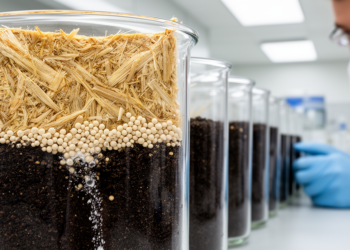
A laboratory study found that phytic-acid-modified corn-stalk superabsorbents adsorbed fertilizer solutions and reduced early urea and KDP release in soil ...
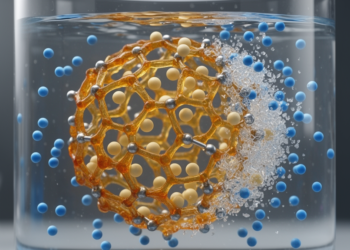
A laboratory study reports that a hybrid zirconium-hafnium metal-organic gel removed 99.3% of lead from mine-derived wastewater and enabled recovery ...
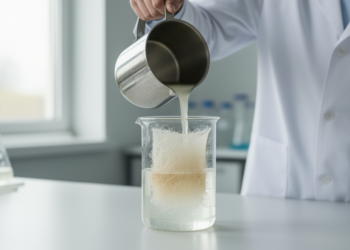
A laboratory study found that peptide-modified nanocellulose made from dairy sludge and crustacean waste achieved reported removal efficiencies of 97.80% ...
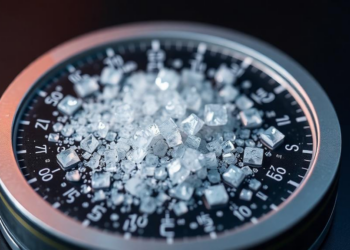
Lithium sits at the heart of the modern energy transition, and the race to secure it has pushed chemists toward ...
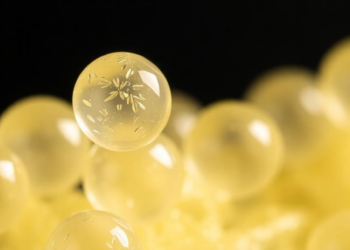
Researchers have developed recoverable chitosan-based hydrogel beads embedded with a zirconium metal-organic framework and reduced graphene oxide that remove nearly ...
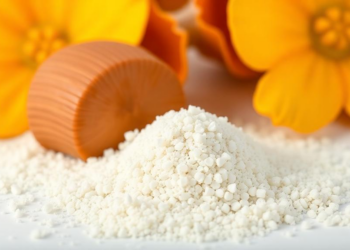
A Camellia oleifera shell-derived lignosulfonate adsorbent removed 97.01 percent of quinoline from model hydrogenation feedstock oil in 120 minutes and ...

Discarded Amazonian Sacha Inchi shells transformed into carbonaceous materials that remove mercury from water with remarkable efficiency, offering a sustainable ...

Carbon capture has long been treated as a numbers game: the more square meters of surface a material packs into ...
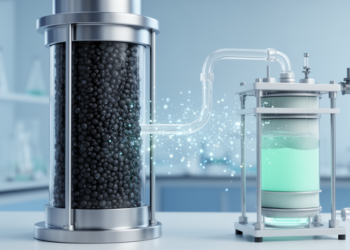
A Turkish-Japanese team combined spinel-type λ-MnO2 adsorbent with submerged ultrafiltration to recover lithium from real geothermal fluids and RO concentrate, ...
A lanthanum-modified metal-organic framework from the University of Pittsburgh captures PFAS, arsenic, and lead simultaneously, with Langmuir capacities up to ...