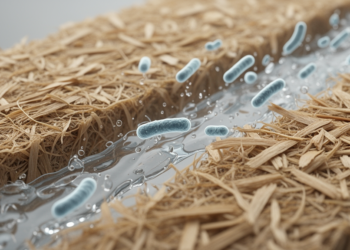
Rice Husk Composite Membrane Reduces 95 Percent of Enterobacter Under Low Pressure
A bio-based composite membrane made from rice husk cellulose nanofibers and activated carbon achieved a 95.25 percent reduction of Enterobacter ...
A bio-based composite membrane made from rice husk cellulose nanofibers and activated carbon achieved a 95.25 percent reduction of Enterobacter ...
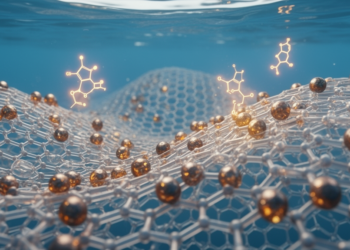
A study demonstrates that graphene-iron composites effectively remove polycyclic aromatic hydrocarbons from wastewater through combined adsorption, ozonation, and Fenton oxidation.
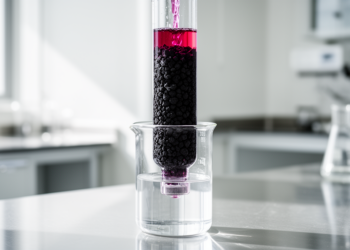
A study demonstrates that an engineered activated bio-char synthesized from municipal sewage sludge and sugarcane bagasse captures water-soluble anthocyanin pigment ...
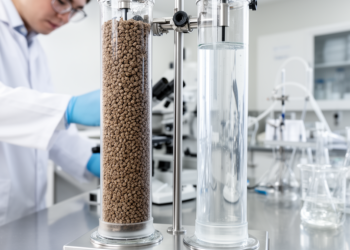
A comprehensive critical review reveals that laboratory claims for biowaste water treatment materials often fail to translate to realistic systems ...
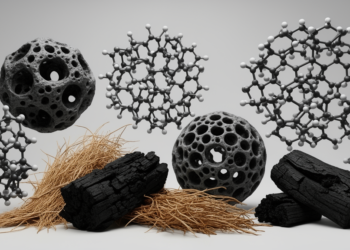
A comprehensive review in Biochar establishes an integrated precursor-process-structure-performance framework revealing how biomass variability and processing routes dictate the functional ...
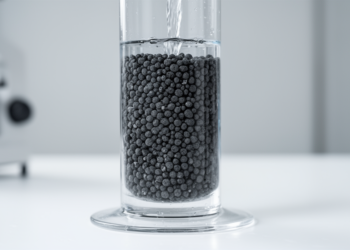
A composite synthesized from coal bottom ash and metal-organic frameworks removed 73 percent of trivalent arsenic from simulated wastewater under ...
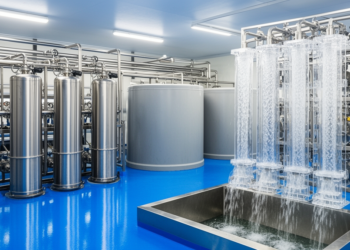
A narrative review establishes a common framework for selecting advanced oxidation, adsorption, and membrane separation processes to treat refractory organic ...
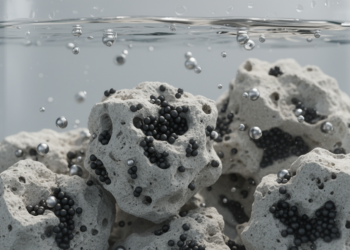
Researchers synthesized porous ceramic particles from iron tailings, fly ash, and blast furnace slag with iron oxide additives, demonstrating that ...
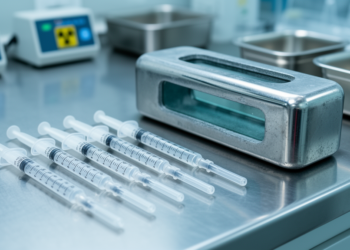
A comparative laboratory study reveals that residual retention of technetium-99m tetrofosmin differs significantly across specific commercial three-part syringe models, demonstrating ...
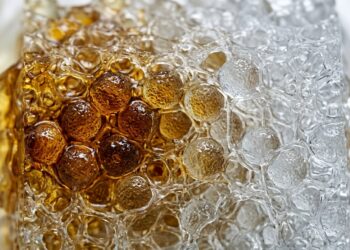
Researchers developed a radiation-grafted superporous hydrogel that removes toxic hexavalent chromium from aqueous streams with an experimental capacity of 540 ...
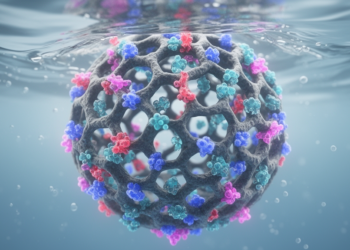
Researchers evaluated three cyclodextrin-based polymer metal oxide composite adsorbents for removing crystal violet and basic fuchsin from wastewater.
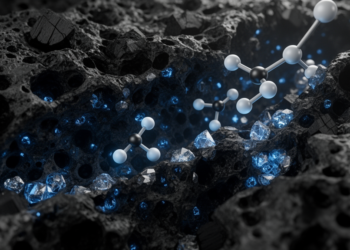
A comprehensive scientific review highlights how heteroatom-doped engineered biochars provide a sustainable, highly efficient pathway for capturing carbon dioxide from ...
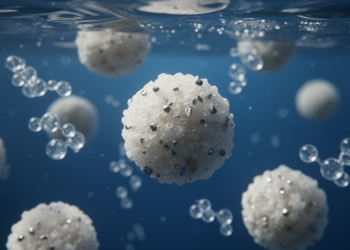
A new bimetallic bio-nanocomposite, Bio-PdZnO, achieves 85% removal of p-nitrophenol in water under visible light, offering a sustainable solution for ...
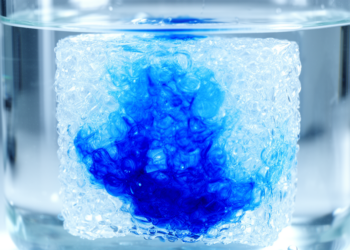
Researchers synthesized a superabsorbent gelatin hydrogel that achieved high adsorption capacities for hazardous cationic dyes in water through electrostatic attraction ...
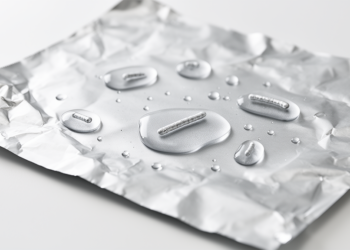
Researchers have synthesized an amorphous magnesium-aluminum coating on aluminum foil using low-cost agricultural precursors, achieving high Escherichia coli removal from ...
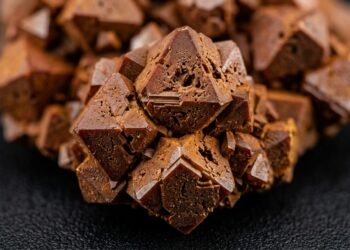
Researchers have synthesized an iron-tricarboxylate metal-organic framework that encapsulates codeine with ninety-one percent efficiency through stable non-covalent interactions.
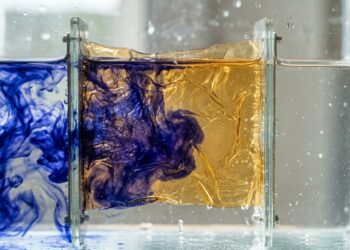
A lithium-ion-embedded, quercetin-cross-linked polyvinyl alcohol film removed 96.3% of methylene blue from water and kept over 90% of its adsorption ...
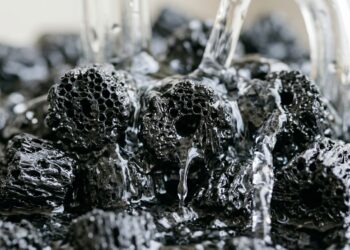
A scientific review details how engineered carbon materials derived from industrial lignin waste provide sustainable and reusable platforms for degrading ...
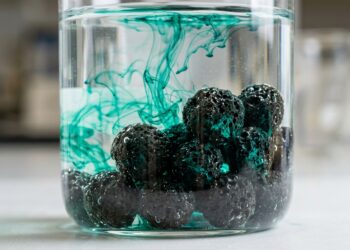
A magnetic CdFe2O4–poly(AMPS-co-IA) composite hydrogel removed over 96 percent of malachite green oxalate from water across a wide pH range ...
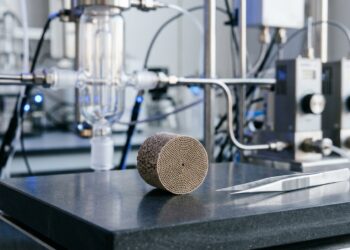
A new review describes composite materials that simultaneously adsorb CO2 and catalyze its conversion into valuable products.