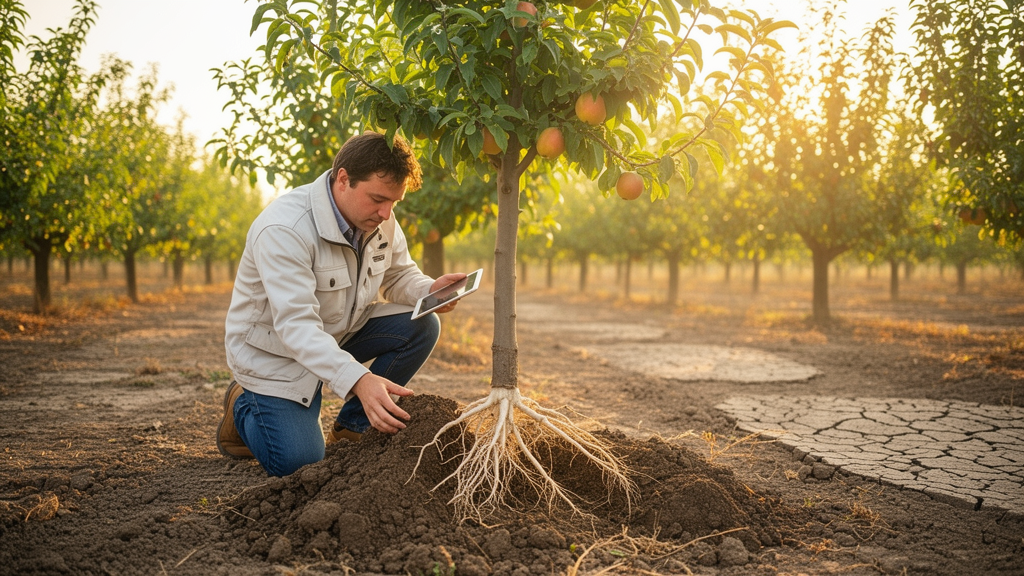
A review published in Biological Research examines how fruit tree systems worldwide are being threatened by climate change, and argues that genotype diversity and rootstock–scion interactions are central to building resilience. The authors, led by Hamid Reza Soufi and Mansour Ghorbanpour, synthesize current knowledge on how rising temperatures, altered precipitation patterns, more frequent extreme weather events, and elevated atmospheric CO2 affect the physiological and phenological processes that regulate tree growth, reproduction, and fruit quality.
According to the review, key impacts of these climatic shifts include reduced winter chilling, disrupted dormancy release, irregular flowering, impaired pollination, and altered fruit development, which together lead to lower yield stability and reduced fruit quality. Because fruit trees have long life cycles, the authors note that they are particularly vulnerable to cumulative environmental stresses such as heat, drought, salinity, and irregular rainfall. These stresses can impair photosynthesis, growth, and reproductive performance, while also increasing the trees’ susceptibility to pests and diseases.
The review organizes its synthesis around the effects of major climate-related factors—temperature, water availability, and elevated CO2—on four interconnected areas: the physiology of the trees, their phenology, pollination, and overall productivity.
Beyond describing impacts, the authors highlight adaptation strategies for fruit production under changing climatic conditions. These include the use of climate-resilient cultivars, optimized rootstock selection, efficient water and nutrient management, and climate-smart orchard practices. By integrating physiological, ecological, and production-level responses, the review proposes a framework intended to enhance the resilience and sustainability of fruit production as climatic conditions change.
The article is an open-access review, published on 12 August 2026, and is currently available as a peer-reviewed accepted manuscript that remains subject to further edits before the final Version of Record. As a synthesis of existing knowledge rather than a report of new experimental results, its conclusions reflect the state of the literature on fruit tree responses to climate change at the time of writing.
Subject of Research: Climate change impacts on fruit trees and genotype- and rootstock-based adaptation strategies
Article Title: Genotype- and rootstock-mediated adaptation of fruit trees to climate change
Article References: Soufi, H. R., Jabbari, M., Tunç, Y., Jabbari, M., Khadivi, A., & Ghorbanpour, M. (2026). Genotype- and rootstock-mediated adaptation of fruit trees to climate change. Biological Research. https://doi.org/10.1186/s40659-026-00720-y
Image Credits: AI Generated
DOI: 10.1186/s40659-026-00720-y
Keywords: fruit trees, climate change, genotype, rootstock, phenology, pollination, drought, elevated CO2, orchard management, climate resilience, Genotype-, rootstock-mediated
News Source: Sloane Callahan. (October 29, 2026). Review Maps How Genotypes and Rootstocks Could Help Fruit Trees Face Climate Change. Scienmag.