Researchers at the Yong Loo Lin School of Medicine, National University of Singapore (NUS Medicine), together with collaborators, have identified a protein that helps immune cells retain their ability to recognise and destroy cancer. The protein, dual-specificity phosphatase 4 (DUSP4), appears to keep CD8+ T cells — a class of immune cell that can directly kill cancer cells — active within the hostile environment of a tumour, where their anti-cancer function can gradually wane over time. The finding, published in Nature Communications, points to a potential new way to strengthen engineered T-cell therapies against colorectal cancer, one of the common cancers in which solid tumours blunt the effectiveness of immunotherapy.
The study was led by Associate Professor Zhang Yongliang of the Department of Microbiology and Immunology and the Immunology Translational Research Programme at NUS Medicine. His team found that DUSP4 helps CD8+ T cells maintain their anti-tumour function. When DUSP4 was absent, these cells became less effective and showed more signs of exhaustion, a state in which T cells gradually lose their capacity to multiply and attack cancer. In laboratory models, the absence of DUSP4 was also accompanied by a greater colorectal tumour burden, linking the loss of this single protein to measurably weaker tumour control.
To establish the protein’s role, the researchers combined clinical data from colorectal cancer patients with experiments using human cells and preclinical models. Models lacking DUSP4 developed more and larger colorectal tumours and mounted weaker CD8+ T-cell responses. The T cells in these models produced fewer cancer-killing molecules and displayed more markers of exhaustion, suggesting that DUSP4 helps preserve the cells’ anti-tumour function rather than acting on the tumour itself. The team then analysed tumour tissue from 105 colorectal cancer patients and found that lower DUSP4 levels were associated with poorer overall survival, with a similar trend observed in an independent dataset. As an association from patient tissue analysis, this link does not by itself prove that DUSP4 determines survival, but it aligns closely with the mechanistic findings from the laboratory work.
A series of experiments helped pinpoint where the protein acts. Removing DUSP4 from cancer cells had little effect on tumour growth, while its loss in blood-forming cells — the lineage that gives rise to immune cells — weakened CD8+ T-cell responses and increased tumour development in preclinical models. This pattern indicates that DUSP4 mainly supports immune cells rather than directly slowing cancer cell growth, an important distinction for any future therapeutic strategy built on the finding.
The researchers were also able to identify how DUSP4 works at the molecular level. The protein helps regulate a signalling pathway involving ERK2, a signalling enzyme, and KLF2, a transcriptional regulator. Without enough DUSP4, increased ERK2 activity raises KLF2 levels, which in turn suppresses the genetic programmes that CD8+ T cells use to kill cancer cells. By keeping this pathway in check, DUSP4 helps T cells remain active. “CD8+ T cells are among the immune system’s main weapons against cancer, but prolonged exposure to tumours can gradually weaken their ability to function,” said Associate Professor Zhang. “Our findings suggest that DUSP4 helps keep these cells in a state where they can continue to multiply and attack cancer cells effectively.”
Exhaustion is a central obstacle for immunotherapies targeting solid tumours. When CD8+ T cells reside within a tumour for prolonged periods, they progressively lose the ability to multiply and mount attacks against cancer cells. This is one reason why engineered T-cell therapies, which have shown striking results in some blood cancers, have been harder to apply successfully against solid tumours such as colorectal cancer. The NUS Medicine team therefore explored whether DUSP4 could be harnessed to improve chimeric antigen receptor (CAR) T-cell therapy, in which a patient’s T cells are genetically engineered to recognise cancer cells.
Using CRISPR activation, or CRISPRa, a technique that switches on specific genes, the team increased DUSP4 activity in human CAR-T cells. Compared with standard CAR-T cells, the DUSP4-enhanced cells multiplied more readily and showed greater cancer-killing activity against colorectal cancer cells in laboratory experiments. In laboratory models, treatment with these enhanced cells also resulted in smaller and lighter tumours than treatment with standard CAR-T cells. “By increasing DUSP4 activity, we were able to improve both the growth and cancer-killing capacity of CAR-T cells in our experimental models,” said Professor Nicholas R.J. Gascoigne of the Department of Microbiology and Immunology and the Immunology Translational Research Programme at NUS Medicine. “This gives us a potential strategy for engineering T cells that are better able to maintain their function in the difficult environment of solid tumours.” Professor Gascoigne is also a professor at the Immunology Center of Georgia and the Georgia Cancer Center at Augusta University in the United States.
Despite these promising results, the researchers cautioned that the CAR-T findings remain at a preclinical stage. An important technical caveat is that the colorectal cancer cells used in the CAR-T model were engineered to carry CD19, the target molecule recognised by the CAR-T cells used in the experiments. Native colorectal tumours do not necessarily present this target, so the model tests the principle of DUSP4 enhancement rather than a therapy ready for patients. Further studies are needed to evaluate the approach clinically before any benefit can be assumed in human treatment.
The team’s next steps include investigating how DUSP4 itself is regulated within tumours, identifying other molecules through which it controls T-cell function, and exploring ways of enhancing DUSP4 activity in engineered T cells. Ultimately, the researchers hope the work could contribute to new approaches for improving T cell-based immunotherapies for colorectal cancer and other solid tumours. For now, the study offers both a mechanistic explanation for why tumour-fighting T cells fade inside tumours and a concrete molecular handle — the ERK2–KLF2 pathway moderated by DUSP4 — that future engineered cell therapies could exploit to keep those cells fighting for longer.
Subject of Research: The role of the DUSP4 protein in preserving CD8+ T-cell anti-tumour function and enhancing CAR-T therapy against colorectal cancer
Article Title: NUS Medicine study identifies protein that could strengthen cancer-fighting T cells against colorectal cancer
Article References: NUS Medicine study identifies protein that could strengthen cancer-fighting T cells against colorectal cancer. Original publication (Bibliographic details unavailable.)
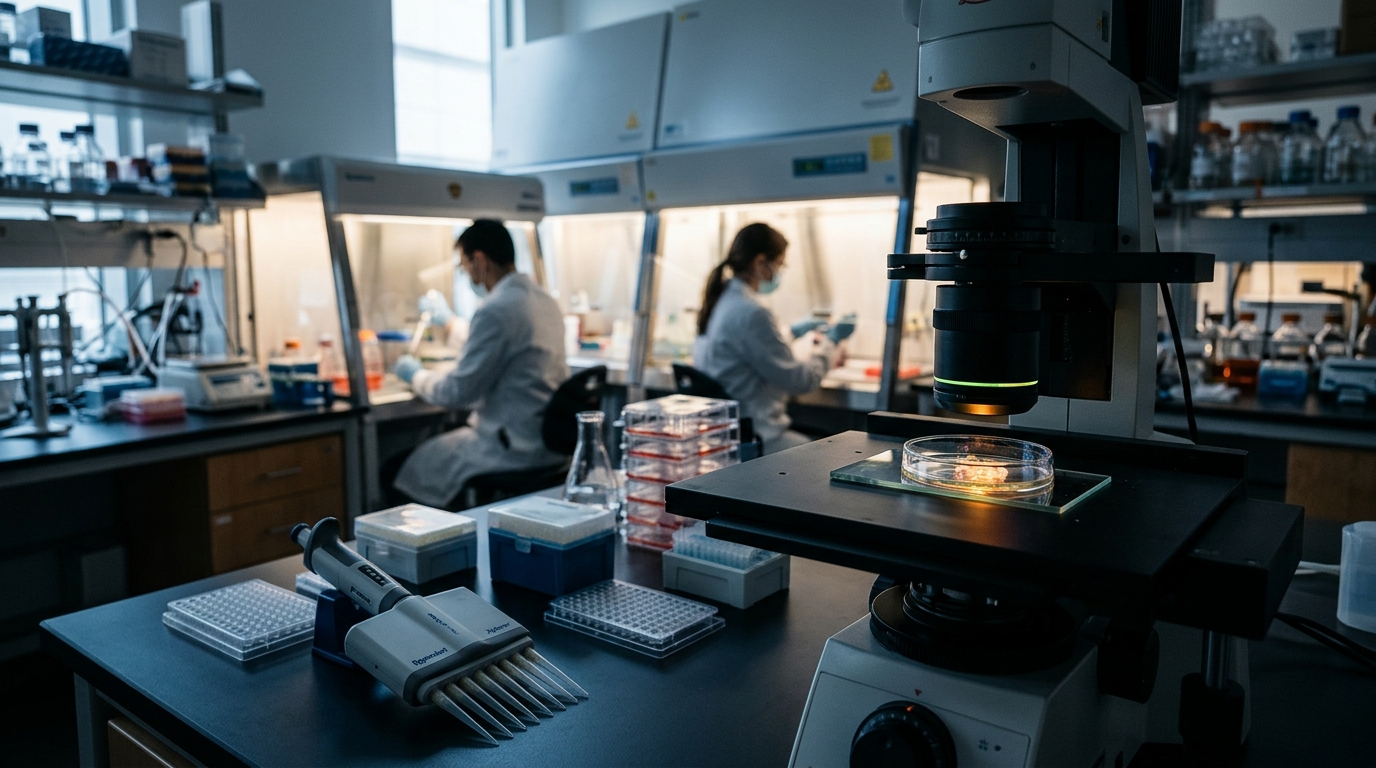
Image Credits: AI Generated
DOI: Not provided
Keywords: DUSP4, CD8+ T cells, CAR-T therapy, colorectal cancer, T-cell exhaustion, ERK2, KLF2, CRISPR activation, immunotherapy, NUS Medicine, Nature Communications, solid tumours
News Source: Nathaniel Bowman. (November 6, 2026). DUSP4 protein keeps cancer-killing T cells active against colorectal tumours. Scienmag.