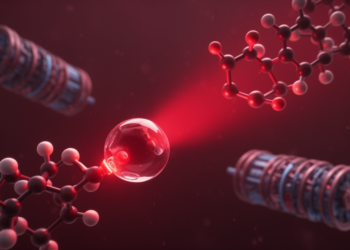
RuPHOTACs use red light to activate protein degradation
Researchers at North Carolina State University developed RuPHOTACs, a light-activated system that controls protein-degrading molecules to limit side effects.
Researchers at North Carolina State University developed RuPHOTACs, a light-activated system that controls protein-degrading molecules to limit side effects.
A study from Johns Hopkins researchers found that the natural plant compound triptolide blocks an enzyme called DCTPP1, which helps ...

A modeling study estimates that withdrawing major malaria interventions across sub-Saharan Africa could cause annual cases to surge by 131 ...
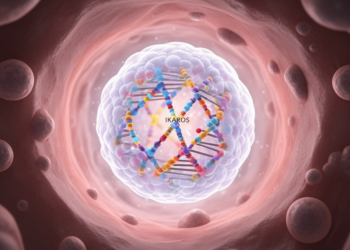
A study in Nature Communications shows that Ikaros transcription factors prevent hematopoietic stem cells from activating an endothelial cell program, ...
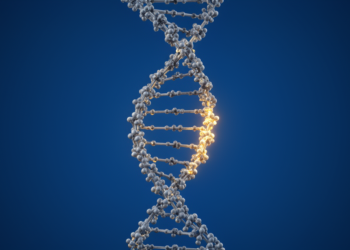
Mayo Clinic researchers have identified hypomorphic BRCA2 variants that confer a moderate 20% to 25% lifetime risk of breast cancer.
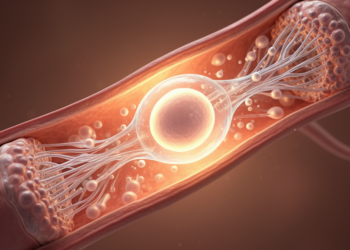
Researchers using intravital optical coherence tomography have recorded the progressive steps of ovulation in live mice, revealing unexpected time lags, ...
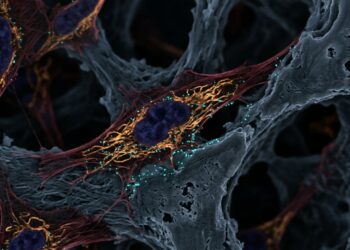
Researchers designed coordination-engineered quantum dots to restore intercellular mitochondrial transfer and support diabetic bone regeneration.
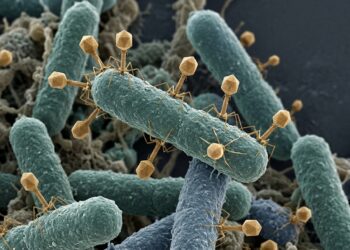
Researchers have characterized over 116,000 viral groups in the human gut, revealing associations with bacterial communities, metabolic markers, and irritable ...
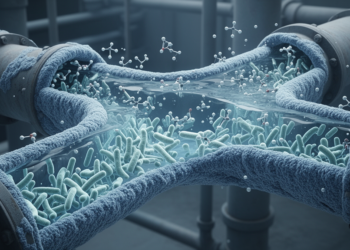
A study across eight Swedish cities found that hospital sewers selectively promote antibiotic-resistant bacteria, with ciprofloxacin and cefotaxime identified as ...
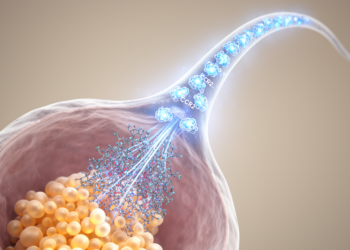
A study in Nature Communications reveals that transient activation of ciliary CCR2 signaling by the inflammatory chemokine CCL2 is essential ...
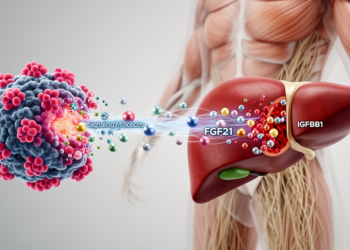
Researchers identified a tumor-liver endocrine relay involving FGF21 and IGFBP1 that drives muscle and bone wasting in colorectal cancer models.
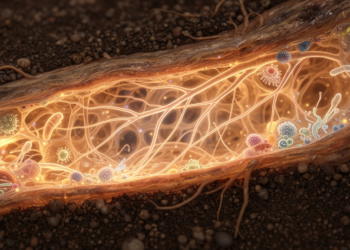
Kyoto University researchers analyzing forest root microbiomes identified symbiotic endophyte fungi as keystone taxa shaping broader microbial community structures.
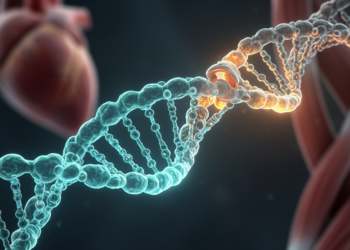
Rice University researchers used deep learning to evolve compact Cas9 enzymes that successfully edit challenging DNA target sites in heart ...

KAIST researchers developed a ruthenium catalyst that matches platinum performance in hydrogen production while using only one-quarter as much precious ...

A new study led by NYU Langone Health researchers found that an AI tool called PREVIA can analyze emergency room ...
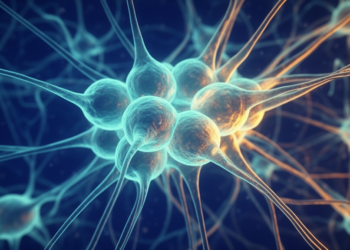
Researchers at Uppsala University developed GlioTrace, an AI-driven method that tracks individual glioblastoma cells in living brain tissue to reveal ...
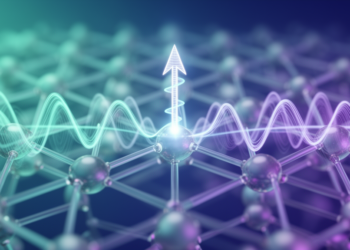
Researchers linked electron spin to heat-carrying acoustic phonons in an ultrathin semiconductor, revealing how magnetic order alters vibrational transport.
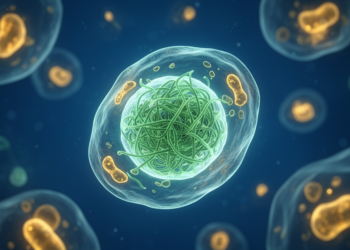
Researchers at the University of Tokyo created hybrid mammalian cells that stably retain nearly an entire algal genome for over ...

Scientists have created spin-polarized radical pairs inside porous metal–organic frameworks, establishing a structural foundation for future quantum chemical sensors.
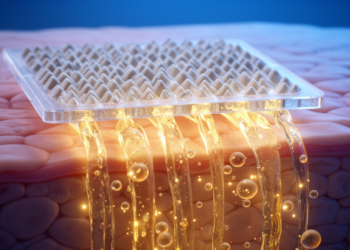
Researchers have used topographical mismatch to maintain open microchannels in living skin for at least seven days without triggering fibrotic ...