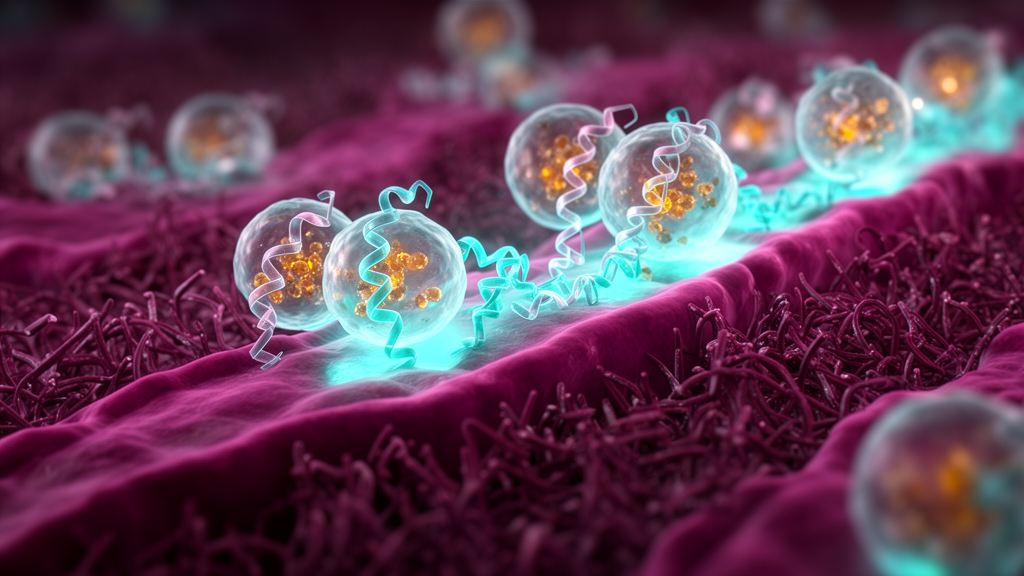
Engineered cytokine fusion proteins are reshaping the therapeutic landscape of solid tumor oncology by directly addressing the longstanding biological conflict between powerful antitumor immunity and severe systemic toxicities. Native cytokines, while critical regulators of immune cell proliferation and functional activation, exhibit very short circulatory half-lives and lack intrinsic selectivity for diseased tissue. Clinical regimens requiring repeated, high-dose administration of agents like native interleukin-2 have historically triggered dose-limiting adverse events, most notably life-threatening vascular leak syndrome caused by the activation of receptor complexes on capillary endothelial cells. In response, modern biopharmaceutical engineering links functional cytokine payloads to specialized protein partners, such as tumor-targeting antibodies, albumin-binding moieties, or steric masking domains. A comprehensive review published in the Journal of Hematology and Oncology analyzes more than fifty cytokine fusion constructs currently advancing through clinical and preclinical pipelines.
A primary focal point of cytokine engineering involves the common gamma-chain receptor family, with particular emphasis on interleukin-2 and its structural interface with distinct receptor configurations. Human interleukin-2 adopts a canonical four-helical bundle architecture that engages three distinct receptor complexes displaying divergent binding affinities. The intermediate-affinity dimeric receptor, composed of interleukin-2 receptor beta and common gamma subunits, is predominantly expressed on resting conventional T cells and natural killer cells, with a dissociation constant of approximately ten to the minus ninth molar. At low physiological concentrations, native interleukin-2 preferentially binds regulatory T cells, which can suppress antitumor immunity and consume local cytokine pools. Structural studies revealing that the binding interfaces for alpha and beta receptor subunits occupy spatially segregated regions on opposite helical faces have enabled researchers to engineer receptor-selective variants via site-directed mutagenesis, sequence substitution, and targeted PEGylation.
Despite encouraging preclinical data, clinical translation of first-generation interleukin-2 receptor beta-gamma-biased therapeutics has encountered significant hurdles that have fundamentally revised immunology paradigms. For instance, the phase three trial testing ALKS 4230 in combination with pembrolizumab failed to demonstrate superior overall survival compared to pembrolizumab monotherapy in platinum-resistant ovarian cancer. Similarly, the phase three PIVOT IO 001 trial evaluating the PEGylated prodrug NKTR-214 with nivolumab demonstrated no added clinical benefit in previously untreated metastatic melanoma. These clinical outcomes revealed that completely eliminating CD25 engagement is counterproductive, as recent experimental models show CD25 binding is essential to activate tumor-specific CD8+ T cells expressing both PD-1 and CD25, which represent the primary effector population driving tumor rejection. Conversely, completely unattenuated variants that preserve CD25 interaction can paradoxically buffer systemic toxicities by activating peripheral regulatory cells to suppress dangerous natural killer cell activation. Consequently, newer designs such as IBI363 deliberately preserve alpha receptor engagement while attenuating beta-gamma affinity through mutations like N88D, yielding notable objective response rates and disease control in clinical trials for non-small cell lung cancer, melanoma, and colorectal cancer.
Interleukin-15 represents another vital common gamma-chain cytokine whose unique physiological trans-presentation mechanism has inspired novel therapeutic architectures. Unlike cytokines that signal efficiently through soluble diffusion, interleukin-15 naturally forms a stable complex with interleukin-15 receptor alpha on antigen-presenting cells, which enhances its binding affinity for the beta receptor on neighboring effector cells by approximately one hundred and fifty fold. Fusion platforms such as SO-C101, XmAb24306, and ALT-803 replicate this natural presentation scaffold, markedly augmenting molecular stability and bioactivity while diminishing rapid weight loss, hepatotoxicity, and cytokine release syndrome. ALT-803 achieved landmark regulatory approval from the United States Food and Drug Administration in 2024 for use alongside Bacillus Calmette-Guerin in non-muscle-invasive bladder cancer, proving the clinical viability of the class. Nonetheless, structural engineering introduces distinct pharmacological challenges; clinical evaluation of the targeted fusion candidate PF-07209960 was prematurely discontinued after over ninety percent of treated patients developed anti-drug antibodies, with two-thirds directed specifically against the mutated cytokine moiety, illustrating the acute risk of exposing immunogenic neo-epitopes during recombinant optimization.
Interleukin-21 and interleukin-12 introduce complementary biological mechanisms that address distinct aspects of immune dysfunction across solid tumors. Structural investigations using cryo-electron microscopy have uncovered an unusual hexameric assembly consisting of two cytokine molecules and four receptor chains, a clustering phenomenon unique among gamma-chain cytokines that presents new avenues for pharmacokinetically optimized agents such as the albumin-binding nanobody fusion JS014. Meanwhile, interleukin-12, a heterodimeric cytokine composed of p35 and p40 subunits, functions as one of the most potent drivers of T helper 1 polarization and interferon-gamma release through TYK2 and JAK2 phosphorylation of STAT4.
The therapeutic potential of interleukin-10 has similarly been redefined through detailed investigation of context-dependent microenvironmental signaling and metabolic reprogramming. Historically classified as a purely immunosuppressive cytokine that dampens inflammation, sustained enrichment of interleukin-10 within tumors can profoundly rejuvenate exhausted immune effectors. Tumor-antigen-stimulated CD8+ T cells upregulate surface interleukin-10 receptors, and subsequent downstream STAT3 activation stimulates mitochondrial pyruvate uptake and oxidative phosphorylation. To exploit this mechanism without triggering systemic hematological toxicities, bioengineers designed monomeric interleukin-10 variants, such as IL-10 M, by inserting flexible linkers that convert the active signaling assembly from a hexameric into an attenuated trimeric complex.
Within the solid tumor microenvironment, the functional capacity of these cytokine platforms is governed by complex cellular networks comprising effector lymphocytes, antigen-presenting cells, and dynamic myeloid subsets. While CD8+ T cells and conventional type 1 dendritic cells drive tumor clearance, persistent exposure to chronic tumor antigens and immunosuppressive factors like transforming growth factor-beta drives effector lymphocytes toward functional exhaustion. Concurrently, professional antigen-presenting cells often suffer functional impairments; plasmacytoid and conventional dendritic cells frequently downregulate type I interferon or interleukin-12 production under the influence of local suppressive factors. Other cellular populations display dramatic phenotypic plasticity along continuous functional spectra. Tumor-associated macrophages can oscillate between tumor-killing M1-like inflammatory phenotypes and pro-angiogenic, matrix-remodeling M2-like states. Similarly, tumor-associated neutrophils diverge between antitumor N1 states, promoted by type I and type II interferons, and tumor-supportive N2 phenotypes driven by interleukin-6, hypoxia-inducible factors, and transforming growth factor-beta. Engineered cytokine payloads are increasingly utilized to reprogram these plastic populations toward persistent antitumor phenotypes.
Physical access to these cellular targets is heavily obstructed by the robust tumor stroma, which forms a dense biomechanical and immunological barrier around malignant lesions. Cancer-associated fibroblasts, particularly myofibroblastic subpopulations expressing fibroblast activation protein and alpha-smooth muscle actin, remodel the extracellular matrix through excessive collagen cross-linking and proteoglycan deposition. This dense matrix, combined with aberrant, leaky vascular networks and impaired lymphatic drainage, produces elevated interstitial fluid pressure that severely impedes convective macromolecular drug transport into deep tumor regions. To exploit this aberrant microenvironment, investigators have developed fusion platforms targeting oncofetal matrix splice variants that are strictly enriched in cancerous stroma, including the extra domain A and extra domain B of fibronectin and the A1 domain of tenascin-C. Similarly, necrotic cores generated by rapid tumor expansion expose intracellular antigens, such as single-stranded DNA and histones, which serve as localized anchors for necrosis-targeting antibody fusions like TNT-3, NHS76, and M9241, turning cellular demise into an immunogenic beacon.
Selecting the optimal molecular architecture requires a careful calibration between circulatory persistence and intratumoral distribution kinetics. Full-length immunoglobulin G scaffolds, with a molecular mass of approximately 150 kilodaltons, provide sustained pharmacokinetic half-lives through neonatal Fc receptor recycling mechanisms, but their bulky size restricts diffusion across dense matrix networks and often traps molecules in perivascular spaces. Intermediate-sized constructs, including scFv-Fc and VHH-Fc chimeras of around 80 kilodaltons, offer a pragmatic middle ground by combining tissue penetration with extended circulation. Concurrently, molecular valency must be optimized to prevent the binding-site barrier effect, wherein high avidity traps multivalent proteins at the outer tumor boundary. Adjusting fusion orientation, domain spacing, and using monovalent cytokine configurations further prevents peripheral receptor-mediated clearance sinks, ensuring that therapeutic concentrations successfully reach deep tissue compartments.
Precision targeted delivery has advanced significantly through the integration of immune checkpoint antibodies and conditional microenvironment activation technologies. By fusing cytokine modules directly to antibodies targeting PD-1, CTLA-4, or TIGIT, therapeutics create an anchored cytokine reservoir immediately adjacent to tumor-infiltrating lymphocytes. This proximity enables cis-signaling on exhausted effector cells while checkpoint blockade simultaneously eliminates inhibitory signals, generating potent synergistic activation. To avoid non-specific peripheral binding, conditional masking strategies employ a peripheral inactivation design where cytokine active sites are temporarily shielded by inhibitory peptides attached through protease-cleavable linkers. Enzymes that are aberrantly overexpressed in neoplastic tissue, such as matrix metalloproteinases and urokinase-type plasminogen activator, selectively cleave these linkers within the tumor microenvironment.
The next generation of cytokine fusion therapeutics is moving toward multi-effector synergy, wherein multiple functional cytokines are assembled within a single macromolecular framework to orchestrate synchronized immune responses. However, integrating multiple potent biologics presents design challenges, as coordinated immune stimulation can trigger complex non-linear toxicities, including systemic cytokine release syndromes and severe pyrexia. Resolving these challenges requires precise structural modeling, optimization of linker flexibility, careful dosing strategies, and the integration of spatial multi-omics to characterize patient-specific microenvironments. By linking empirical clinical insights with rigorous molecular engineering, cytokine fusion proteins are overcoming foundational biological barriers to establish targeted, durable, and safe immunotherapies for complex solid tumors.
Subject of Research: Mechanistic engineering and clinical translation of cytokine fusion proteins for solid tumor immunotherapy
Article Title: Cytokine fusion proteins for solid tumor therapy: mechanistic insights and clinical advances
Article References: Wang, Y., Zheng, J., Li, Z., Qu, J., Ren, Y., Cai, Z., Li, Y., Sun, W., Jiang, N., Cai, C., Ruan, K., Shi, J., Zhang, Z., & Zhou, J. (2026). Cytokine fusion proteins for solid tumor therapy: mechanistic insights and clinical advances. Journal of Hematology & Oncology, 19(1), Article 75. https://doi.org/10.1186/s13045-026-01842-2
Image Credits: AI Generated
DOI: 10.1186/s13045-026-01842-2
Keywords: cytokine fusion proteins, solid tumor therapy, interleukin-2, interleukin-15, interleukin-12, interleukin-10, interleukin-21, tumor microenvironment, immune checkpoint targeting, cancer immunotherapy, pharmacokinetics, vascular leak syndrome, protease-cleavable linkers, antibody fragments, regulatory T cells, CD8+ T cells, natural killer cells
News Source: Nathaniel Bowman. (November 20, 2026). Cytokine Fusion Proteins Advance Solid Tumor Therapy Through Precise Microenvironment Targeting. Scienmag.