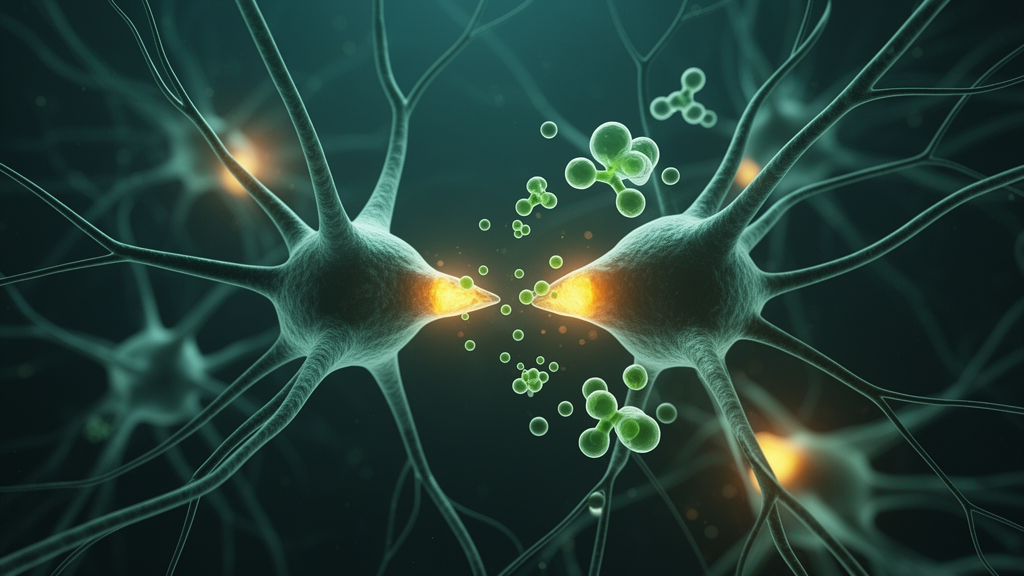
For decades, Alzheimer’s disease research has fixated on the plaques and tangles that riddle the brains of patients—amyloid-beta deposits crowding the spaces between neurons and tau protein strangling them from within. But a growing body of evidence points to a different culprit in the earliest stages of cognitive decline: the synapse, the microscopic junction where neurons talk to one another. A comprehensive new review published in Frontiers in Synaptic Neuroscience argues that synaptic failure, not neuronal death, is the true driver of memory loss in Alzheimer’s disease, and that plant-derived compounds called phytochemicals may offer a uniquely multitargeted path toward synaptic repair.
The review, led by researchers examining the mechanistic underpinnings of synaptic damage and regeneration, synthesizes findings from studies spanning 2010 to 2026. Its central thesis is provocative: while amyloid plaques and neurofibrillary tangles are the visible hallmarks of the disease, the cognitive symptoms patients experience correlate far more strongly with the loss of synaptic density than with plaque burden alone. Studies cited in the review show that some individuals accumulate substantial amyloid without showing clear cognitive impairment, yet the erosion of synaptic connections tracks closely with deficits in learning and memory. This reframing shifts the therapeutic spotlight from simply clearing plaques to preserving and rebuilding the brain’s communication infrastructure.
At the heart of synaptic vulnerability lies a metabolic crisis. Synapses are among the most energy-hungry structures in the body, demanding a constant and precisely regulated supply of ATP to maintain ion gradients, mobilize synaptic vesicles, and sustain the calcium signaling that underlies neurotransmission. Mitochondria—the cellular power plants—cluster near synaptic terminals to meet this demand, but in Alzheimer’s disease they falter. The review details how respiratory chain complexes I and IV become impaired, reducing ATP production while simultaneously increasing the generation of reactive oxygen species (ROS). This oxidative flood damages mitochondrial DNA, peroxidizes synaptic membrane lipids, and disrupts the fusion pore opening required for vesicle release, causing vesicles to pile up at presynaptic terminals. In mouse models of the disease, synaptic mitochondria accumulate amyloid-beta in an age-dependent manner, compounding the bioenergetic deficit.
The consequences cascade. Elevated ROS activates stress pathways including p38 MAPK and JNK, which degrade synaptic proteins and impair long-term potentiation (LTP)—the cellular mechanism by which memories are encoded. Oxidative stress also inhibits protein phosphatases PP1 and PP2A, promoting the hyperphosphorylation of tau protein by kinases GSK-3β and CDK5. Hyperphosphorylated tau detaches from microtubules, destabilizing the neuronal cytoskeleton and halting the axonal transport of synaptic vesicles and mitochondria to the terminals that desperately need them. The result is a feed-forward loop in which energy failure, oxidative damage, and cytoskeletal collapse reinforce one another, progressively starving the synapse into dysfunction.
But the cytoskeleton is more than a passive victim. The review emphasizes that actin filaments and microtubules are active participants in synaptic repair. Actin, comprising roughly 90 percent of the cytoskeletal mass in dendritic spines, drives the polymerization cycles that enlarge spine heads during LTP and anchor AMPA receptors at the postsynaptic density. Microtubules transiently invade dendritic spines during activity-dependent remodeling, delivering messenger RNAs, PSD95, and mitochondria needed for spine growth and maintenance. Motor proteins—myosin V and VI for short-range transport within spines, kinesin and dynein for long-range cargo movement along microtubules—orchestrate this logistics network. In Alzheimer’s disease, soluble tau oligomers hijack this system: they preferentially target presynaptic GABAergic terminals, interact with Fyn kinase to gain rapid internalization at synaptic sites, and degrade the local cytoskeleton. Cofilin, an actin-binding protein, becomes hyperactivated and forms cofilin-actin rods that physically obstruct intracellular trafficking. The review notes that drebrin, a critical F-actin stabilizer abundant at excitatory synapses, is dramatically depleted in the hippocampus of Alzheimer’s patients, correlating with cognitive impairment.
Adding another layer of complexity, the review examines the role of exosomes—tiny extracellular vesicles 30 to 200 nanometers in diameter that shuttle proteins, lipids, and regulatory RNAs between cells. Under healthy conditions, neuronal exosomes deliver neurotransmitter transporters to presynaptic active zones and transport AMPA and NMDA receptors to dendritic spines in an activity-dependent manner. They carry microRNAs such as miR-124 and miR-132 that regulate synaptic plasticity and maintain the integrity of the blood-brain barrier. But in Alzheimer’s disease, exosomes become double agents. Astrocyte-derived exosomes carry elevated levels of oligomeric amyloid-beta and tau, spreading pathology from cell to cell. Exosomal amyloid-beta(1-42) binds to NMDA receptor GluN2B subunits, triggering aberrant calcium influx and excitotoxicity, while simultaneously enhancing the internalization of AMPA receptors and disrupting calcium-dependent signaling through CaMKII and PKA. The net effect is a degradation of long-term potentiation and an acceleration of long-term depression, eroding the synaptic plasticity that memory depends upon. Yet exosomes are not uniformly destructive—some facilitate amyloid clearance by delivering the peptide to microglial lysosomes for degradation, highlighting their context-dependent dual role.
The review also spotlights an emerging and less-explored contributor: NETosis, the process by which neutrophils release decondensed DNA, histones, and cytotoxic enzymes to trap pathogens. While NETosis is a normal host-defense mechanism, excessive activation in Alzheimer’s disease releases histones that act as damage-associated molecular patterns, activating microglial TLR/NF-κB signaling and promoting complement-driven synaptic pruning. NET-derived enzymes such as myeloperoxidase and neutrophil elastase degrade the extracellular matrix surrounding synapses, while matrix metalloproteinases—normally regulated contributors to synaptic plasticity—become overactivated and destabilize synaptic architecture. Neutrophils have been observed migrating toward amyloid plaques in mouse models, binding through LFA-1 integrin and crossing a compromised blood-brain barrier. The review acknowledges that direct in vivo evidence linking NETosis specifically to synaptic terminal loss remains limited, but the mechanistic framework—histone-mediated microglial activation, protease-driven matrix degradation, and barrier disruption—presents a compelling case for NETosis as an amplifier of synaptic injury.
Against this backdrop of interconnected pathology, the review positions phytochemicals as uniquely suited therapeutic agents. Unlike single-target synthetic drugs, compounds such as curcumin, resveratrol, quercetin, epigallocatechin gallate (EGCG), ferulic acid, and ginkgolide B act simultaneously on multiple nodes of the synaptic damage network. Curcumin activates the Nrf-2/ARE pathway, releasing the transcription factor from its cytosolic anchor Keap1 to induce antioxidant defense genes. Resveratrol promotes mitochondrial biogenesis through SIRT1 activation. Quercetin modulates NETosis and suppresses NF-κB signaling. EGCG remodels toxic amyloid-beta fibrils into non-toxic aggregates. Ferulic acid restores energy status and promotes mitochondrial biogenesis in preclinical studies. These compounds also enhance BDNF-TrkB signaling, activating downstream ERK, Akt, and CREB cascades that drive dendritic spine formation and synaptic protein synthesis. The review notes that two FDA-approved Alzheimer’s drugs—galantamine, derived from the snowdrop plant, and rivastigmine, based on a compound from the Calabar bean—are themselves phytochemical derivatives, lending translational credibility to the approach.
Delivery remains the critical bottleneck. Many phytochemicals suffer from poor bioavailability and limited blood-brain barrier penetration, and the review highlights nanoparticle formulations and engineered exosomes as promising solutions. Engineered exosomes can cross the blood-brain barrier and deliver therapeutic cargo directly to compromised synapses, potentially protecting against microglial over-pruning and amyloid-induced toxicity with fewer systemic side effects. The review also points to biomarker-driven approaches using exosomal profiling at the mild cognitive impairment stage as a means of assessing synaptic status and enabling early intervention before irreversible damage occurs.
The authors are careful to temper enthusiasm with caution. Most mechanistic evidence derives from in vitro studies and transgenic rodent models, and direct clinical data linking these pathways to synaptic outcomes in human patients remain limited. Phytochemical-based strategies have yet to demonstrate consistent efficacy in clinical trials, and challenges including dose standardization, potential drug interactions—resveratrol and quercetin inhibit CYP450 enzymes, potentially altering the metabolism of warfarin and statins—and safety concerns at high doses must be addressed. No phytochemical has yet received global regulatory approval as a disease-modifying agent for Alzheimer’s disease. Still, the review’s synthesis makes a compelling case that the future of Alzheimer’s therapy lies not in attacking a single molecular target but in restoring the delicate balance of energy metabolism, cytoskeletal integrity, intercellular communication, and immune regulation that keeps synapses functioning. As the authors conclude, Alzheimer’s disease is a system failure, not the failure of a single target—and the tools to rebuild that system may already be growing in the garden.
Subject of Research: Synaptic damage and repair mechanisms in Alzheimer's disease and the neuroprotective potential of phytochemicals
Article Title: Mechanistic insights into the synaptic damage-repair and regeneration processes in neurodegenerative Alzheimer’s disease: phytochemicals as neuroprotective agents
Article References: Yadav, B., Gangwar, P., Kumari, K., Yadav, A., Rao, R., Kumar, K., Verma, H., Dhiman, M., & Mantha, A. K. (2026). Mechanistic insights into the synaptic damage-repair and regeneration processes in neurodegenerative Alzheimer’s disease: phytochemicals as neuroprotective agents. Frontiers in Synaptic Neuroscience, 18, Article 1835778. https://doi.org/10.3389/fnsyn.2026.1835778
Image Credits: AI Generated
DOI: 10.3389/fnsyn.2026.1835778
Keywords: Alzheimer's disease, synaptic dysfunction, mitochondrial dysfunction, phytochemicals, neuroinflammation, exosomes, tau pathology, amyloid-beta, NETosis, cytoskeletal remodeling, blood-brain barrier, neuroprotection
News Source: Cassandra Pierce. (October 16, 2026). Synapses Under Siege: How Plant Compounds May Rebuild the Brain’s Failing Connections in Alzheimer’s Disease. Scienmag.