A new comprehensive review published in Molecular Cancer maps the rise, mechanics, and stubborn limitations of one of oncology’s fastest-growing drug classes: antibody-drug conjugates, or ADCs. Written by a team of breast oncologists and basic researchers led by Manshan Li and Junwei Song at the Cancer Hospital of Shantou University Medical College, the open-access analysis synthesizes the structural logic of ADCs, catalogues the resistance problems that have emerged in FDA-approved agents across solid tumors and blood cancers, and lays out the engineering strategies that the field hopes will define the next generation of these drugs. For a modality that has moved from clinical disappointment to blockbuster status in barely a decade, the review arrives at a pivotal moment.
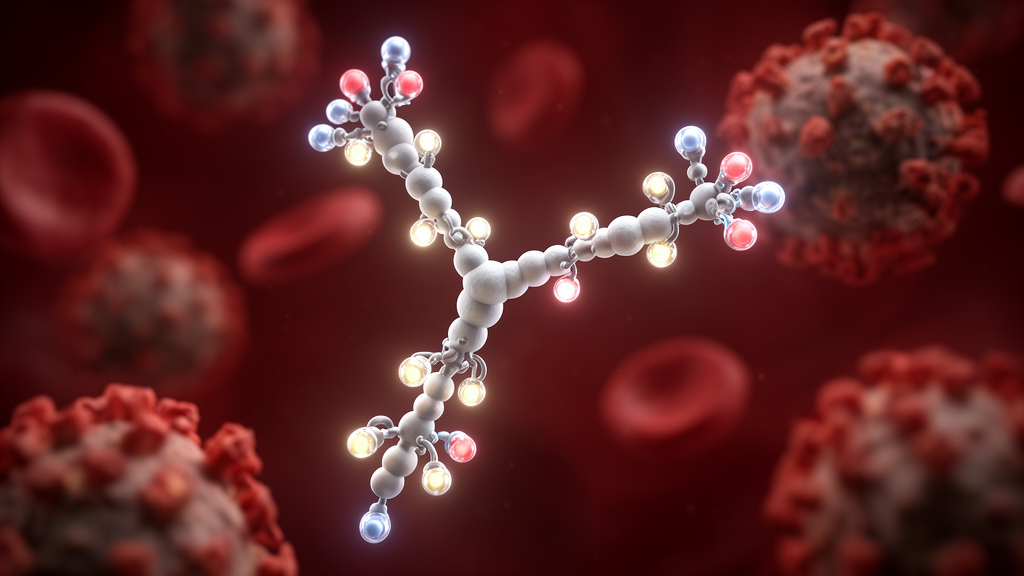
The core concept behind an ADC is deceptively simple, and reviewers often describe it as a guided missile. The drug consists of three covalently joined components: a monoclonal antibody that recognizes a tumor-associated antigen, a chemical linker that holds the assembly together in the bloodstream, and a cytotoxic payload far too potent to be given as a conventional chemotherapy. The antibody does the navigation; it binds cells displaying the right surface marker and, through antigen-mediated internalization, delivers the poison selectively to the interior of the cancer cell. The theoretical payoff is a dramatic widening of the therapeutic window, since maximal damage is concentrated on tumor tissue while healthy cells are largely spared. In practice, as the review makes clear, that selectivity is never perfect, and the gap between concept and clinic has shaped the entire development history of the field.
That history spans three generations of chemistry. Early ADCs, built on murine antibodies and labile linkers, produced such heavy off-target toxicity that several were abandoned. The current era belongs to agents such as trastuzumab emtansine (T-DM1), trastuzumab deruxtecan (T-DXd), and sacituzumab govitecan (SG), which pair humanized antibodies with cleavable or stable linkers and payloads including auristatin derivatives such as monomethyl auristatin E (MMAE) and topoisomerase I inhibitors. Payload choice matters enormously: topoisomerase I inhibitors exhibit what researchers call bystander killing, in which membrane-permeable drug released from a dying tumor cell diffuses into neighboring malignant cells that express little or none of the target antigen. This property helps explain why T-DXd and SG have produced striking responses in tumors with heterogeneous antigen expression, including triple-negative breast cancer, non-small cell lung cancer, metastatic urothelial carcinoma, and HER2-low breast cancers that were previously ineligible for HER2-directed therapy.
Beyond simple payload delivery, a modern ADC is expected to do several jobs at once. The antibody component retains its natural immune functions, recruiting effector cells through antibody-dependent cellular cytotoxicity (ADCC), antibody-dependent cellular phagocytosis (ADCP), and complement-dependent cytotoxicity (CDC). Linker stability determines how much free drug leaks into circulation, which in turn drives systemic side effects such as neutropenia and interstitial lung disease. The review emphasizes that optimizing all three modules simultaneously, antigen selection, linker chemistry, and payload, is a multi-variable engineering problem rather than a linear design task, and that this complexity explains why clinically successful ADCs remain outnumbered by the many candidates that have failed in trials.
Clinically, ADCs have become an established option for patients who have exhausted traditional treatments or developed resistance to earlier lines of therapy. The review systematically walks through the FDA-approved agents in solid tumors, highlighting overall response rates (ORR) and the therapeutic niches each drug has carved out, from HER2-positive and HER2-low breast cancer to urothelial carcinoma and lung cancer, alongside applications in hematological malignancies. The picture that emerges is one of genuine clinical transformation: diseases once treated only with blunt cytotoxic chemotherapy now have therapies that combine molecular precision with lethal payload delivery. Yet the review is equally candid that efficacy is frequently incomplete, with many patients deriving only transient benefit before disease progression.
That incomplete benefit points to the review’s central concern: acquired drug resistance. Tumors are Evolving systems, and the review organizes the escape routes cancer cells take into several mechanistic categories. Changes in the target antigen itself, through downregulation, mutation, or loss of surface expression, can starve the ADC of its docking site. Alterations in the internalization and trafficking machinery prevent the conjugate from reaching the lysosomal compartments where the linker is meant to be cleaved. Upregulation of drug efflux pumps can expel released payloads before they act, a mechanism long familiar from conventional chemotherapy. And changes in the payload’s downstream vulnerabilities, such as modifications in the DNA damage response (DDR) pathways targeted by topoisomerase I inhibitors or alterations in glutathione peroxidase 4 (GPX4) linked to ferroptosis sensitivity, can blunt the lethal effect even after successful delivery.
Just as consequential, the review argues, is the tumor microenvironment (TME), the crowded ecosystem of stromal and immune cells that surrounds a malignancy. Cancer-associated fibroblasts (CAFs), including the adipose-derived subtype (adCAFs), can form physical and biochemical barriers that shield tumor cells from circulating antibody. Myeloid-derived suppressor cells (MDSCs) dampen the immune effector functions that the antibody arm of an ADC is meant to recruit. Poorly vascularized and hypoxic regions limit drug penetration deep into tumor masses, meaning that even a perfectly designed conjugate may only reach the outer shell of a lesion. The review frames these microenvironmental factors not as secondary details but as first-order determinants of whether an ADC works, and as targets for rational combination strategies.
On that front, the review surveys a growing arsenal of next-generation designs. Bispecific antibodies (BsAbs) can bind two antigens at once, improving tumor specificity and compensating for heterogeneous expression. Immune-stimulating antibody conjugates (ISACs) replace or augment the cytotoxic payload with immune agonists, converting the delivery platform into a vaccine-like stimulus. Degrader-antibody conjugates (DACs) piggyback on PROTAC technology, protein degradation targeting chimeras, to deliver molecular glues or degraders that eliminate intracellular oncoproteins previously considered undruggable. Dual-payload ADCs carry two mechanistically distinct toxins in one molecule, attacking multiple vulnerabilities simultaneously and complicating the tumor’s escape routes. Each of these platforms addresses a specific failure mode identified in the resistance analysis, reflecting a maturing, mechanism-driven design philosophy.
Combination therapy emerges as another major theme. Because ADC resistance often converges on pathways that other drug classes already target, the review explores rational pairings with tyrosine kinase inhibitors (TKIs), DNA damage response modulators, and immune checkpoint inhibitors (ICIs). The immunological logic is particularly attractive: ADC-induced tumor cell death releases antigens that can prime antitumor immune responses, while checkpoint blockade removes the brakes on the T cells that response activates. In hematological malignancies, the review also discusses ADC use in minimal residual disease (MRD) settings and around hematopoietic stem cell transplantation (HSCT), where their selectivity could help eradicate residual clones, though it notes the need to manage risks such as cytokine release syndrome (CRS) when ADCs are combined with other immune-directed agents.
The review closes with a sober but optimistic outlook. ADCs have already demonstrated, in the words of the clinical record, that precision-targeted cytotoxicity can rescue patients who have failed traditional treatment, and the pace of approvals across breast, lung, and urothelial cancers shows no sign of slowing. But the same analysis shows that the field’s future depends on solving the resistance puzzle at every level, from linker chemistry and bystander payload design to microenvironment remodeling and immune synergy. With the authors supported by Guangdong provincial and national Chinese research funding, the work consolidates a decade of clinical learning into a design manual for what may come next. If the next generation of conjugates delivers on the strategies outlined here, the guided missile metaphor may finally describe what these drugs actually do for the majority of patients, not just the fortunate few.
Subject of Research: Antibody-drug conjugate mechanisms, resistance, and next-generation strategies in cancer targeted therapy
Article Title: Antibody-drug conjugates: mechanism, progress and future directions of cancer targeted therapy
Article References: Antibody-drug conjugates: mechanism, progress and future directions of cancer targeted therapy. (n.d.). https://doi.org/10.1186/s12943-026-02817-0
Image Credits: AI Generated
DOI: 10.1186/s12943-026-02817-0
Keywords: antibody-drug conjugates, targeted cancer therapy, drug resistance, monoclonal antibodies, cancer drug delivery, trastuzumab deruxtecan, tumor microenvironment, bispecific antibodies, immune checkpoint inhibitors, topoisomerase I inhibitors, triple-negative breast cancer, combination therapy
News Source: Nathaniel Bowman. (October 15, 2026). Guided missiles of cancer medicine: how antibody-drug conjugates are rewriting targeted therapy. Scienmag.