
BRCA1 and HRR Variants Linked to Improved Survival in Brazilian Triple-Negative Breast Cancer
A study of Brazilian triple-negative breast cancer patients found improved progression-free survival in carriers of BRCA1 and HRR variants alongside ...
A study of Brazilian triple-negative breast cancer patients found improved progression-free survival in carriers of BRCA1 and HRR variants alongside ...

Researchers found that TFAP2A drives stemness, metastasis, and paclitaxel resistance in aggressive breast cancer models through KDM4B transcriptional regulation.

Preclinical experiments demonstrate that combining the Trop2-directed antibody-drug conjugate sacituzumab govitecan with TRAIL agonists produces synergistic, caspase-dependent apoptotic cell death ...

In preclinical triple-negative breast cancer models, targeting PRMT5 restored plasmacytoid dendritic cell function through the MID2-IRF3 axis and reversed resistance ...

Researchers found that CD39-associated myeloid and T-cell coordination correlates with reduced response to immunotherapy-chemotherapy regimens and shorter overall survival in ...
A study in Breast Cancer Research finds that BRCA1/2 carriers with HER2-negative metastatic breast cancer exhibit distinct metastatic patterns, including ...

Claudin-1 overexpression in triple-negative breast cancer cells significantly reduced adhesion to brain endothelial cells in vitro, while chemotherapeutic agents and ...

A computational transcriptomics and machine learning study identified four shared regulatory genes and two candidate repurposed drugs linking type 2 ...

A retrospective study of 517 patients found that mid-treatment MRI response strongly predicts pathologic complete response in triple-negative breast cancer, ...

A study in India found that promoter hypomethylation is associated with elevated TRIM33 expression in triple-negative breast cancer tissues.

High Trop-2 membrane expression in early-stage triple-negative breast cancer is an independent prognostic marker associated with improved survival outcomes, according ...

A new study in Cell Division demonstrates that FGF4 promotes triple-negative breast cancer progression by activating the IL6/STAT3 pathway to ...
Researchers have discovered that microRNA-342 restrains the metastatic outgrowth of triple-negative breast cancer cells by suppressing an E2F signaling network, ...
Researchers demonstrated that the triterpenoid demethylzeylasteral induces G1 phase arrest and mitochondrial apoptosis in breast cancer models through modulation of ...
A retrospective study of 889 Rwandan women found luminal breast cancer was the most common subtype, while overall five-year survival ...

A study in the Journal of Translational Medicine reveals that Realgar eliminates triple-negative breast cancer stem cells by degrading the ...
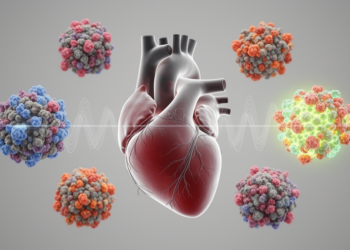
A cross-sectional study finds that age, not tumor subtype, is the primary driver of heart rate variability in breast cancer ...
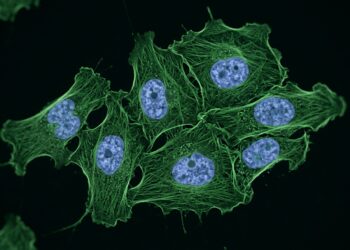
A new study reveals that D-mannose suppresses triple-negative breast cancer progression by modulating the miR-2116-3p/BAP1/KLF5 molecular axis.

A population-based study in Georgia found that higher fine particulate matter exposure was associated with increased odds of triple-negative breast ...
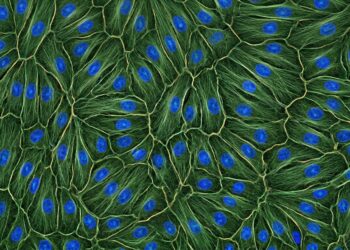
A study in Frontiers in Molecular Biosciences found that conditioned medium from Sanhuang Decoction-pretreated breast cancer cells reduced endothelial inflammation ...