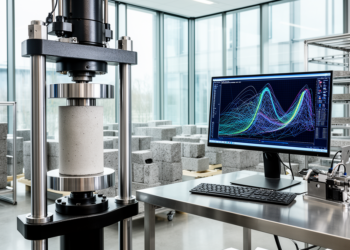
Machine Learning Model Predicts Concrete Strength and Carbon Dioxide Uptake
Researchers developed a gradient boosting machine learning framework to evaluate and optimize compressive strength and carbon dioxide sequestration in carbon-cured ...
Researchers developed a gradient boosting machine learning framework to evaluate and optimize compressive strength and carbon dioxide sequestration in carbon-cured ...
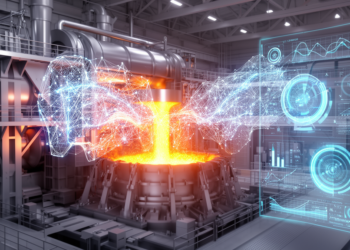
A comprehensive review analyzes how artificial intelligence optimizes efficiency, alternative feedstocks, and carbon capture across four core steelmaking stages.
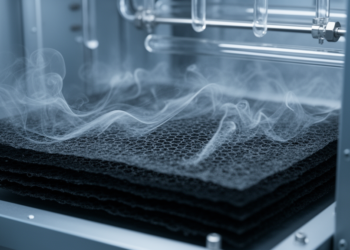
A review evaluates biochar-derived membranes alongside conventional materials, highlighting their separation potential and current industrial scale-up challenges.
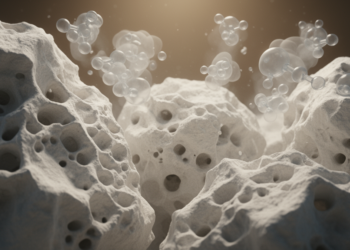
A study of CaO sorbents over 25 cycles reveals that while carbonation capacity degrades, the activation energy for CO2 adsorption ...
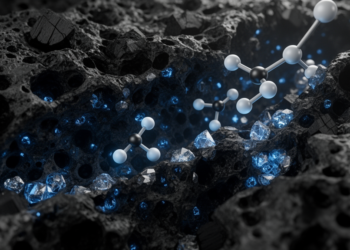
A comprehensive scientific review highlights how heteroatom-doped engineered biochars provide a sustainable, highly efficient pathway for capturing carbon dioxide from ...
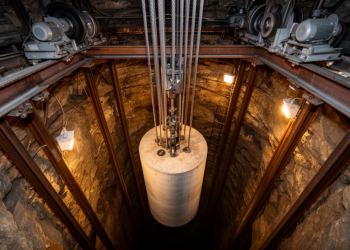
A new strategy integrates gravity energy storage in abandoned mines with carbon capture and power-to-gas technologies to reduce emissions and ...

The 2026 International Engineering Symposium on Energy Frontiers will be held in Hong Kong from December 10 to 12, 2026, ...
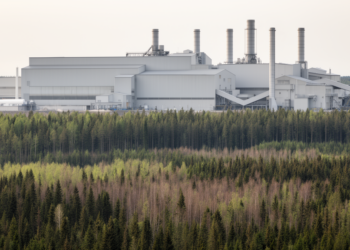
A life cycle assessment reveals that carbon removal efficiency at pulp and paper mills varies significantly based on system boundaries, ...
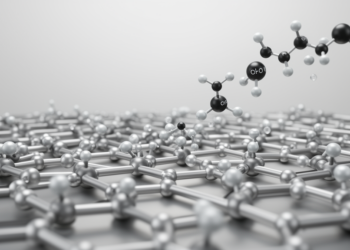
Hydroxyl groups on cerium dioxide enhance carbon monoxide selectivity in integrated CO2 capture and electrocatalytic reduction by facilitating proton transfer ...

Researchers have fabricated a silkworm cocoon-inspired bacterial cellulose aerogel functionalized with polyethyleneimine and carbon nanotubes that captures ambient carbon dioxide ...
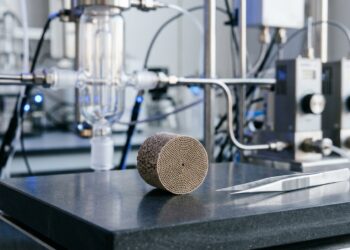
A new review describes composite materials that simultaneously adsorb CO2 and catalyze its conversion into valuable products.
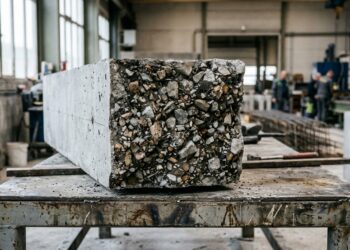
A cradle-to-cradle life cycle and costing assessment in Germany reveals that polymer-impregnated and carbonated recycled concretes achieve substantial carbon reductions ...
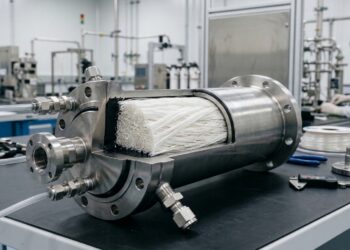
A critical engineering review demonstrates that microstructural interface engineering, thin selective layers, and realistic mixed-gas validation are far more decisive ...
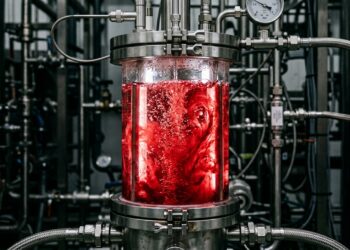
A systematic comparison of photobioreactor designs found that an internally illuminated reactor produced the highest biomass, pigment and starch yields ...
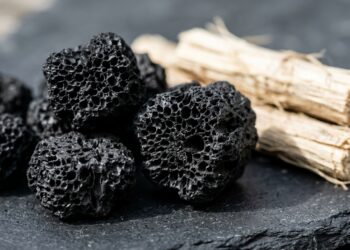
Researchers in Japan converted waste jute sticks into ultraporous biochar using pressurized CO2 activation, achieving a 57.4 wt% yield, a ...
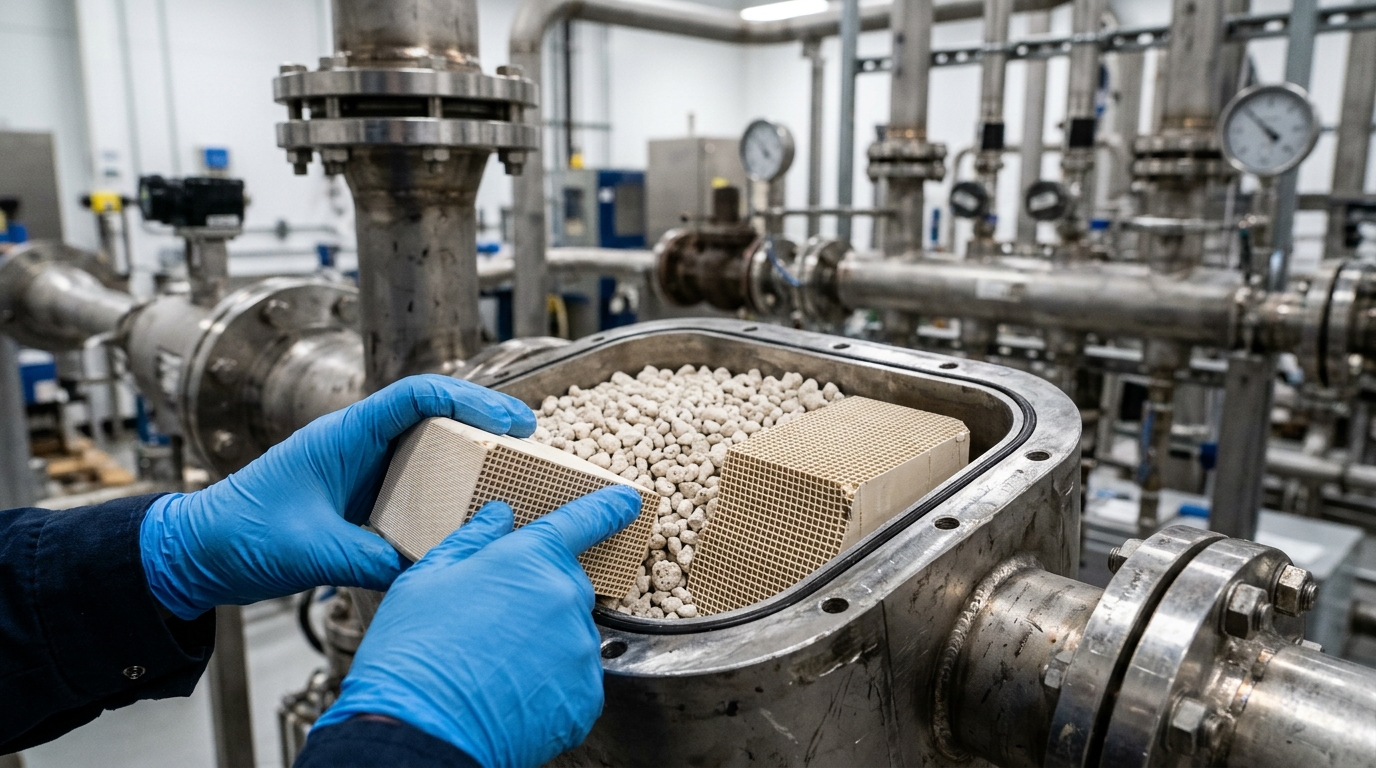
A new review maps how solid CO2 sorbents for medium- and high-temperature carbon capture must balance capacity, mechanical strength, shaping ...

Acid-leached calcium-based montmorillonite boosted CO2 hydrate capture capacity by 83.9 percent in laboratory experiments, reaching 93.9 millimoles per mole of ...
A new review compares absorption, adsorption, membrane, and supergravity approaches for capturing CO2 from post-combustion flue gas and outlines future ...
CMC-stabilized nickel nanoparticles raised CO2 dissolution in natural seawater to 67.2 percent in microfluidic experiments, with a Gaussian Process Regression ...
A review outlines how integrated capture-conversion systems, impurity-tolerant catalysts, and electrolyzer engineering can make electrochemical CO2 reduction work with dilute ...