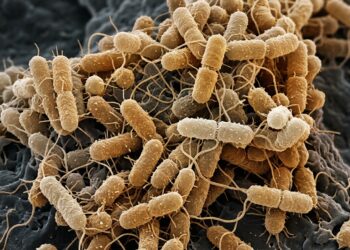
Engineered Bacteria Produce L-Threonine From Acetate Using pH-Controlled Cultivation
Researchers engineered Corynebacterium glutamicum to produce L-threonine from acetate using automated pH-controlled feeding in bioreactors.
Researchers engineered Corynebacterium glutamicum to produce L-threonine from acetate using automated pH-controlled feeding in bioreactors.
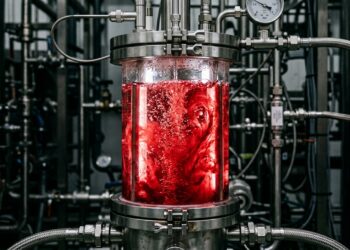
A systematic comparison of photobioreactor designs found that an internally illuminated reactor produced the highest biomass, pigment and starch yields ...
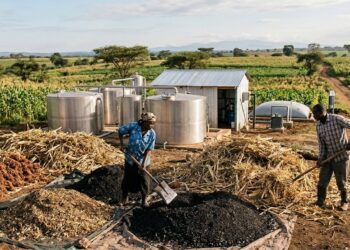
A comprehensive review reveals that closing Africa's bioenergy gap requires overcoming structural innovation deficits and implementing cooperative conversion strategies rather ...
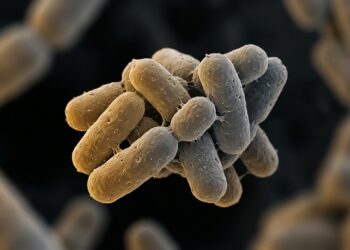
A computational survey of 159 non-ribosomal peptide synthetase sequences reveals conserved domains, motifs and substrate preferences across 26 genera of ...
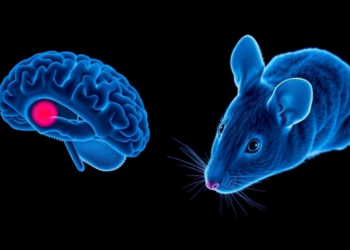
A light-sensitive Cas12f editor and ultrasound-triggered nanoparticles enabled researchers to control gene disruption at a selected location in mouse brains.

Researchers have built FoodFungi, the first comprehensive database dedicated to the genus Monascus, integrating 17 species, 509 metabolites, and more ...
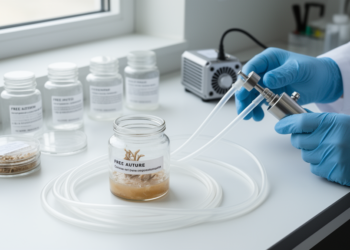
A validated polydimethylsiloxane-based workflow captures time-resolved fungal volatile profiles while addressing solvent bias, sampling configuration and sorbent reuse.
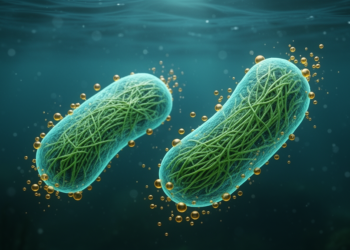
Whole-genome sequencing of two Aphanothece strains from a Southern Brazilian estuary reveals conserved lipid genes but strain-specific fatty acid outputs ...
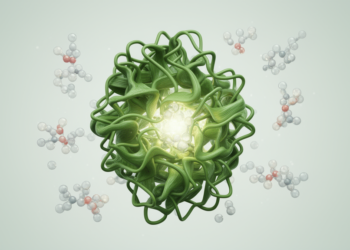
Reconstructed ancestral plant enzymes reveal that high mirror-image selectivity arose through combined changes across the whole protein, not just the ...
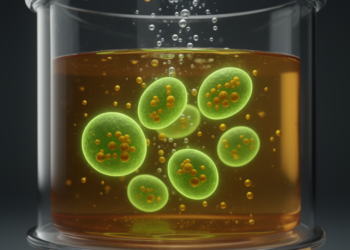
A new review finds CRISPR engineering can sharply raise carotenoid yields in microalgae, yet these gains mostly redistribute carbon rather ...
A new review chronicles six decades of marine invertebrate cell culture and the 2025 arrival of the first continuously proliferating ...

A new review synthesizes evidence that plant-associated microbes directly and indirectly reshape the biosynthesis of secondary metabolites, with implications for ...
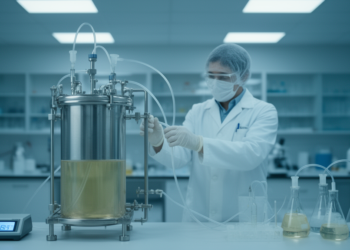
A dynamic Droop-based model combined with chemostat experiments identified 20 °C and a dilution rate of 0.045 h−1 as the ...
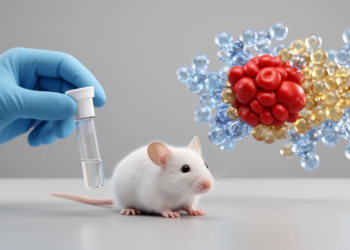
A human erythropoietin fused to an engineered albumin variant showed a 5.2-fold longer plasma half-life and successful intranasal delivery in ...
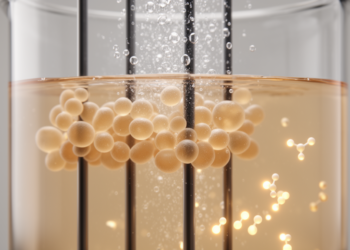
Researchers combined electrochemical CO₂ conversion with microbial fermentation in a single bioreactor to produce itaconic acid from carbon dioxide.
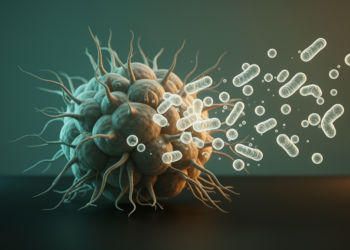
A new study identifies 486 small cysteine-rich antifungal proteins found exclusively in fungi and proposes they form a single superfamily ...
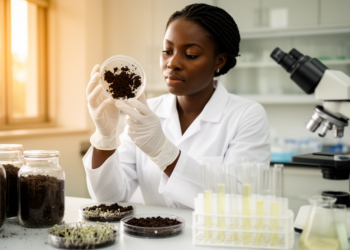
Nigerian researchers optimised L-asparaginase production from two soil microbes, reaching 19,047 U/mL with a fungal isolate.
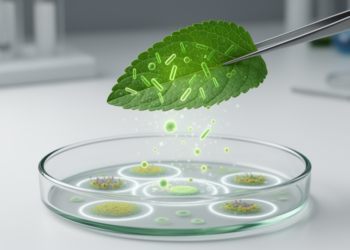
A new review argues that endophytic microbes living inside medicinal plants produce compounds that can kill multidrug-resistant pathogens, though toxicity ...
A 16-billion-parameter AI model called Pinal designed proteins from natural-language descriptions that showed their intended functions in laboratory tests, including ...
A polyphasic study of 312 bacterial strains from Brazilian soils combined 30 biochemical and physiological tests with 16S rRNA sequencing ...