
Biochar’s hidden weapon: reactive oxygen species reshape soil microbes
Tobacco stem biochar kills Ralstonia solanacearum through temperature-dependent reactive oxygen species while enriching beneficial rhizosphere bacteria.
Tobacco stem biochar kills Ralstonia solanacearum through temperature-dependent reactive oxygen species while enriching beneficial rhizosphere bacteria.

Researchers combined waste cotton stalks and eggshells into a microwave-grafted, calcium-rich biochar that removes tetracycline from water with a maximum ...
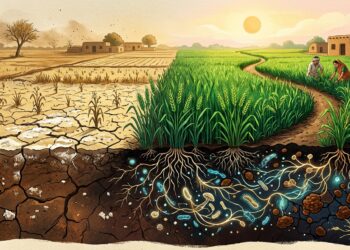
A field trial across three Haryana sites found that organic substrates inoculated with indigenous salt-tolerant bacteria significantly reduced soil salinity ...
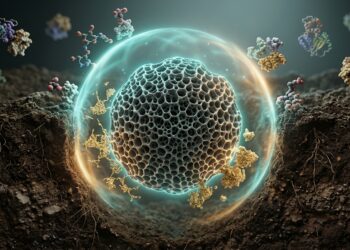
Biochar-derived hydroxyl radicals suppress carbon-decomposing enzymes and slow soil carbon loss in acidic soils, though the effect is overridden in ...
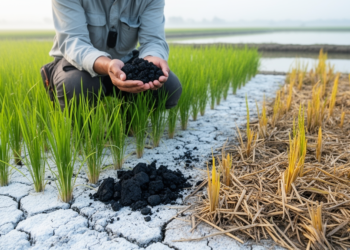
A two-year field trial in saline-sodic paddies found straw-derived biochar outperformed direct straw return in reducing sodium stress and raising ...
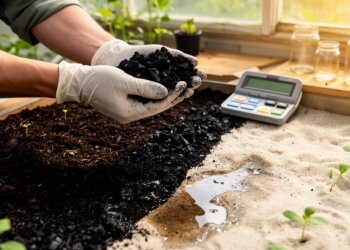
A 90-day laboratory incubation of volcanic ash soils from Jeju Island found that biochar co-applied with oil cake reduced inorganic ...
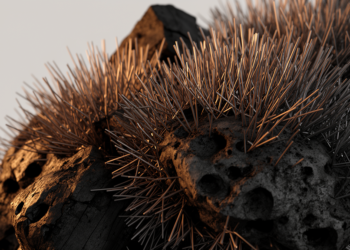
A hydrothermally synthesized α-MnO2 nanoneedle–biochar nanocomposite showed substantially improved supercapacitor charge storage over either component alone.
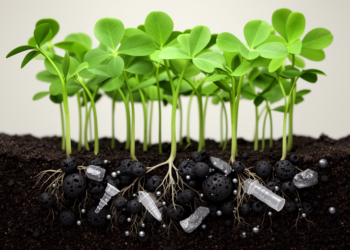
A biochar and calcium oxide nanoparticle composite reduced lead and microplastic toxicity in alfalfa by improving photosynthesis, nitrogen assimilation, and ...
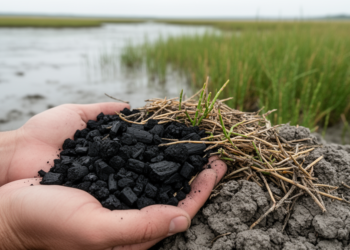
A 370-day microcosm study in coastal salt-affected soil from China's Yellow River Delta found that corn straw biochar combined with ...
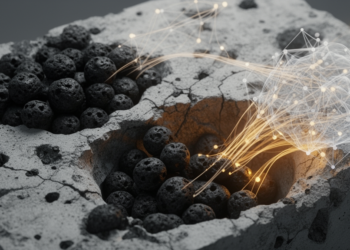
A new study compiled published data on biochar-modified cementitious composites and used machine learning to explore compressive strength retention, finding ...
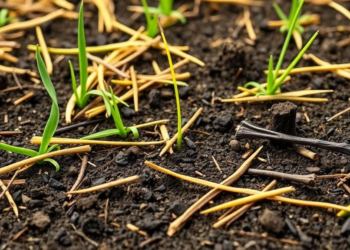
A controlled incubation study reports that persistent free radicals on biochar surfaces redirect straw-derived carbon toward mineral-associated organic matter in ...
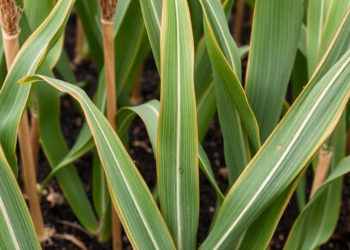
A new study reports that adding 0.75% cellulose-wicked biochar to soil improved maize growth, yield and stress-related biochemical markers under ...
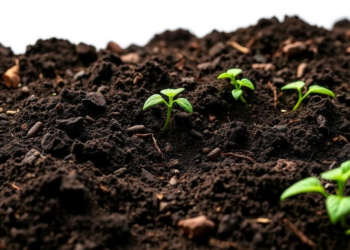
A global meta-analysis of 932 paired observations shows biochar boosts microbial biomass, necromass, and soil organic carbon more strongly in ...
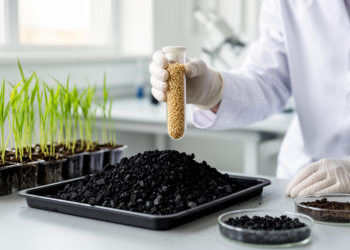
A greenhouse pot study found that fresh chitosan-functionalized biochar cut soil-available arsenic by 21.1 percent and root arsenic by 48.1 ...

A five-year Toronto field experiment found that a single biochar amendment at about 5 percent by volume consistently and substantially ...
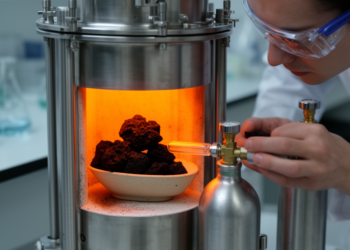
A semi-systematic review finds that CO2, steam, oxygen, ammonia, methane and flue-gas pyrolysis atmospheres each reshape biochar yields, porosity and ...
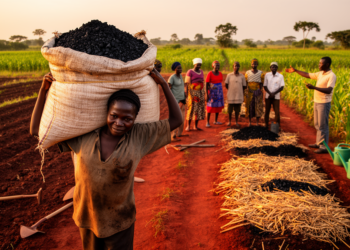
A randomised trial of 400 Ugandan smallholder farmers found that training in conservation agriculture with biochar raised total labour use ...
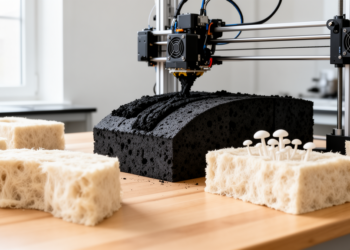
An experimental study reports 3D printed biochar-mycelium composites with reduced vertical shrinkage of 3 to 5 percent and a bio-welded ...
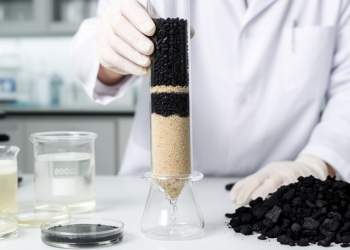
A laboratory column study found that amending saturated sand with 10 percent malt spent rootlets biochar raised E. coli removal ...
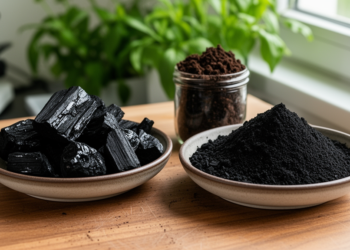
A 30-day incubation study found that biochars made above 500 degrees Celsius affected soil CO2 emissions and bacterial communities much ...