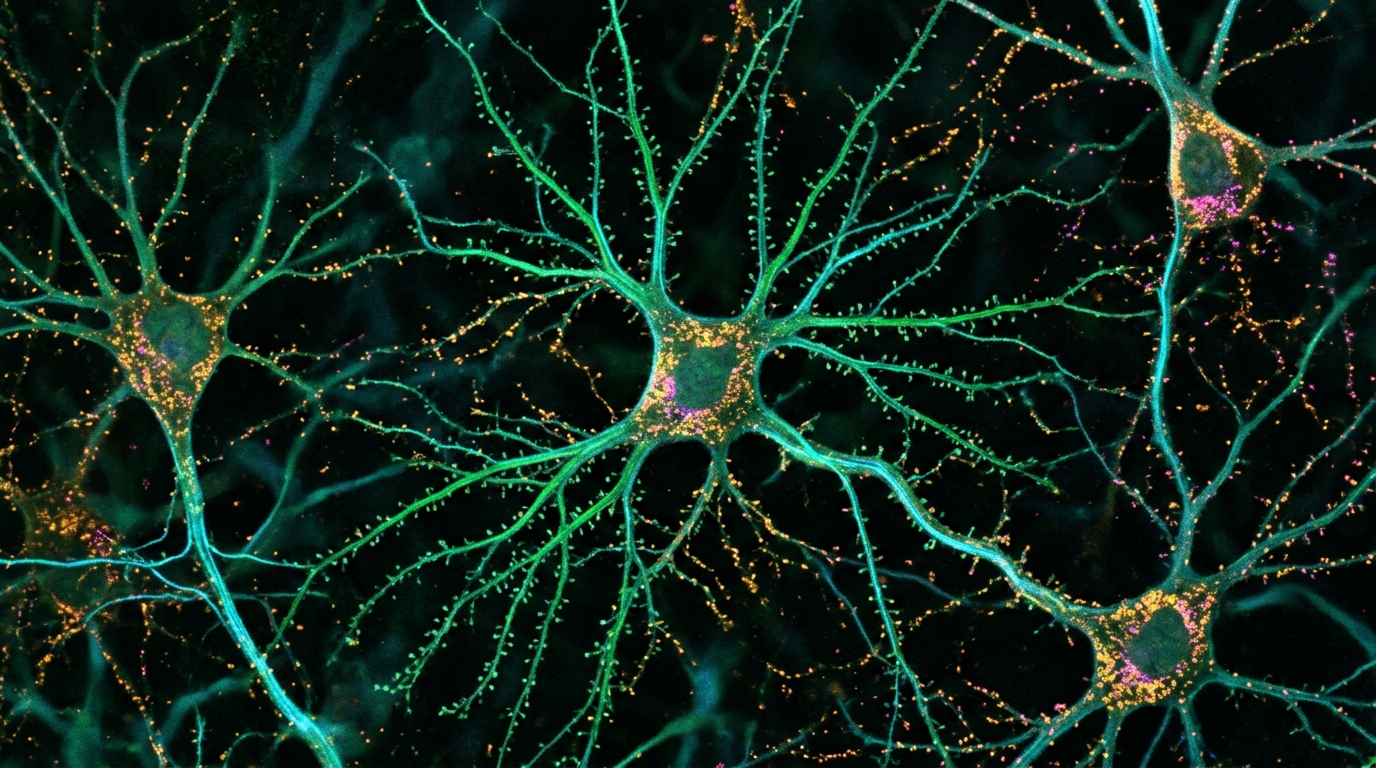
Huntington disease remains one of neurology’s most stubborn targets: a single mutated gene, a relentless course, and no treatment that has yet been shown to slow it. A new narrative review in Frontiers in Pharmacology takes stock of an entire field built around one idea—restoring redox balance—and reaches a sobering conclusion. Although a broad range of antioxidant and mitochondria-directed compounds has produced striking benefits in cellular and animal models of the disease, translation into clinical benefit has so far been limited, and among the agents that reached controlled clinical testing, none has demonstrated efficacy on a prespecified primary efficacy endpoint.
The review, led by Sylwester Dumała and Marta Tomczyk of the Medical University of Gdansk with colleagues in Poland and the United Kingdom, organizes the pharmacological landscape into eight classes: PPAR agonists, NRF2/antioxidant response element activators, quinone analogues, bioenergetic substrates, mitochondria-targeted antioxidants, glutathione and cysteine donors, lipid-membrane radical scavengers, and metal-binding agents. The unifying rationale is well grounded. Huntington disease arises from a CAG expansion in the huntingtin gene, and HD models show abnormalities in mitochondrial electron transport chain activity and oxidative phosphorylation, reduced PGC-1α-dependent transcription, and impaired NRF2-mediated antioxidant responses. These abnormalities can increase generation of reactive oxygen and nitrogen species while impairing antioxidant capacity, promoting oxidative damage to lipids, proteins, and DNA.
The preclinical record is undeniably rich. Rosiglitazone, a PPARγ agonist, attenuated body-weight loss and motor decline, reduced mutant huntingtin aggregates, and prolonged survival in R6/2 mice, with detectable drug in cortical tissue. The pan-PPAR agonist bezafibrate restored PGC-1α signaling and improved survival in the same model and showed similar benefits in BACHD mice. The NRF2 activators CDDO-EA and CDDO-TFEA increased ARE-regulated gene expression in brain, reduced oxidative damage markers, improved motor performance, and prolonged survival in N171-82Q mice. Dichloroacetate lengthened survival and corrected pyruvate dehydrogenase abnormalities in two transgenic lines. XJB-5-131, a mitochondria-targeted nitroxide, slowed motor decline, cut oxidative damage to mitochondrial DNA, and reduced somatic CAG expansion in HdhQ150 knock-in mice. None of these agents has been evaluated clinically in Huntington disease.
The clinical story is different. Coenzyme Q10 has been tested more thoroughly than any other antioxidant in the field. After an early open-label study in ten patients, the multicentre CARE-HD trial randomized 347 patients with early-stage disease to 600 mg/day coenzyme Q10, remacemide, both, or placebo for 30 months; none of the active treatments significantly reduced decline in Total Functional Capacity, the primary outcome. Dose-escalation work carried 2,400 mg/day forward into the definitive 2CARE trial, which followed 609 early-stage patients for up to five years before stopping early for futility. No group difference emerged on the primary or any secondary measure, and the investigators concluded that coenzyme Q10 does not slow the course of the disease.
Creatine has the longest clinical record among bioenergetic substrates. A pilot study in 41 patients found no significant change in motor score, strength, peak oxygen uptake, or cognition at 5 g/day. The PRECREST study then took 30 g/day into premanifest carriers and people at 50% genetic risk, finding generally tolerable treatment and exploratory differences in longitudinal MRI measures—signals the review explicitly labels exploratory imaging effects rather than evidence of target engagement or efficacy. The definitive test, CREST-E, escalated dosing to 40 g/day in 553 early-stage patients across multiple sites. Functional decline was numerically greater with creatine than with placebo, 0.82 versus 0.70 Total Functional Capacity points per year, and the trial was terminated for futility.
Other classes tell similar stories with different details. Idebenone, a shorter-chain quinone analogue, showed no significant benefit over placebo in a 12-month trial of 100 patients on its two primary endpoints. Cysteamine bitartrate at 1,200 mg/day failed to separate from placebo on the primary motor endpoint in a randomized 18-month trial of 96 early-stage patients. Triheptanoin, an anaplerotic odd-chain triglyceride, showed no significant difference in caudate atrophy on its prespecified 6-month endpoint in a blinded phase II trial of 107 early-stage patients; a post hoc comparison with an external placebo cohort suggested less atrophy at 12 months, but the review stresses this analysis cannot establish efficacy. PBT2, the only metal-binding agent to reach patients, met safety and tolerability endpoints in the 26-week REACH2HD trial of 109 patients, but its cognitive composite and motor outcomes did not differ from placebo at either dose, and an exploratory improvement on one executive-function measure was not supported by the broader endpoints.
Why does such a consistent experimental signal keep dissolving in patients? The review’s central analytical framework separates six levels of evidence that are often conflated: systemic exposure, brain penetration, regional CNS exposure, biochemical target engagement, downstream pharmacodynamic effects, and clinical efficacy. Evidence at one level does not establish evidence at the next. For coenzyme Q10, the absence of evidence for striatal target engagement complicates interpretation of the negative 2CARE result and leaves open whether limited CNS exposure contributed to therapeutic failure—although the review is careful to note these mechanisms have not been established as the cause. Idebenone requires two-electron reduction by the enzyme NQO1 for efficient antioxidant activity, and because neuronal NQO1 expression is relatively low, cell-type-dependent bioactivation may limit its activity in neurons; in cortical astrocytes idebenone supported respiration and bypassed a complex I block, but it lowered respiratory capacity in neurons, and delivering NQO1 restored the bypass.
MitoQ illustrates the delivery problem from another angle. Engineered specifically to accumulate within mitochondria via a lipophilic triphenylphosphonium cation, it reduced ROS production, raised ATP, and increased biogenesis and synaptic transcripts in Q111 striatal cells. Yet in R6/2 mice its beneficial effects were largely confined to skeletal muscle, with brain autophagy markers unchanged, consistent with limited brain exposure in that model. A year of oral MitoQ in 128 newly diagnosed Parkinson’s disease patients was generally well tolerated but did not slow clinical progression. The review argues that for such compounds, negative or limited efficacy cannot be readily separated from inadequate CNS exposure or insufficient target engagement.
Disease stage and endpoint selection form the second and third strands of the explanation. The review raises the possibility that therapeutic responsiveness varies with disease stage, while cautioning that differences between trials prevent causal attribution to timing alone. It also notes that redox-directed interventions may affect biological and clinical domains differently: in YAC128 mice, cystamine preserved striatal volume and neuron number yet left motor performance and the dopaminergic-signalling protein DARPP-32 unchanged, and probucol reduced depressive-like behaviour without improving rotarod performance. Clinical trials have frequently relied on motor, functional, or composite outcomes that may not capture all biological effects suggested by preclinical work. Notably, most of these interventions did not consistently reduce mutant huntingtin aggregation itself—coenzyme Q10 in CAG140 mice, nicotinamide in R6/1 mice, and NAC in fragment-expression models all left aggregate burden unchanged—consistent with predominantly downstream effects on redox and metabolic pathways.
The review also flags a genuinely intriguing preclinical lead: XJB-5-131 reduced both oxidative DNA damage and somatic CAG expansion in HdhQ150 mice, in parallel. Somatic repeat expansion is increasingly recognized, through genetic studies implicating mismatch-repair genes including MSH3, MLH1, and MLH3 together with FAN1, as a major modifier of disease onset and progression. The parallel effects do not establish that reduced oxidative damage mediates the effect on expansion, but they support further investigation of the relationship between redox state, DNA damage, and repeat instability. Two ongoing trials may reshape the field’s trajectory: NAC-preHD is evaluating N-acetylcysteine in premanifest HTT-expansion carriers using clinical and imaging outcomes over three years, and NAD-HD is testing oral nicotinamide riboside in individuals with Huntington disease. No efficacy results are available from either. The authors’ prescription is restrained: earlier intervention, biomarker-guided stratification, endpoints aligned with mechanism, attention to peripheral targets such as muscle and cardiac phenotypes, and combination strategies integrating redox modulation with huntingtin-lowering approaches—ideas that remain, for now, hypotheses requiring direct experimental and clinical evaluation.
Subject of Research: Pharmacological strategies targeting oxidative stress and mitochondrial dysfunction in Huntington's disease, from preclinical models to clinical trials
Article Title: Pharmacological strategies to manage oxidative stress in Huntington’s disease: from preclinical models to clinical trials
Article References: Dumała, S., Jedrzejewska, A., Kwaśniak‐Butowska, M., De Sousa, P. A., & Tomczyk, M. (2026). Pharmacological strategies to manage oxidative stress in Huntington’s disease: from preclinical models to clinical trials. Frontiers in Pharmacology, 17, Article 1984341. https://doi.org/10.3389/fphar.2026.1984341
Image Credits: AI Generated
DOI: 10.3389/fphar.2026.1984341
Keywords: Huntington disease, oxidative stress, mitochondrial dysfunction, antioxidants, coenzyme Q10, creatine, clinical trials, mutant huntingtin, CAG repeat expansion, drug repurposing, NRF2, neurodegeneration
News Source: Ophelia Keating. (November 5, 2026). Redox drugs for Huntington’s disease: why strong preclinical promise keeps failing in trials. Scienmag.