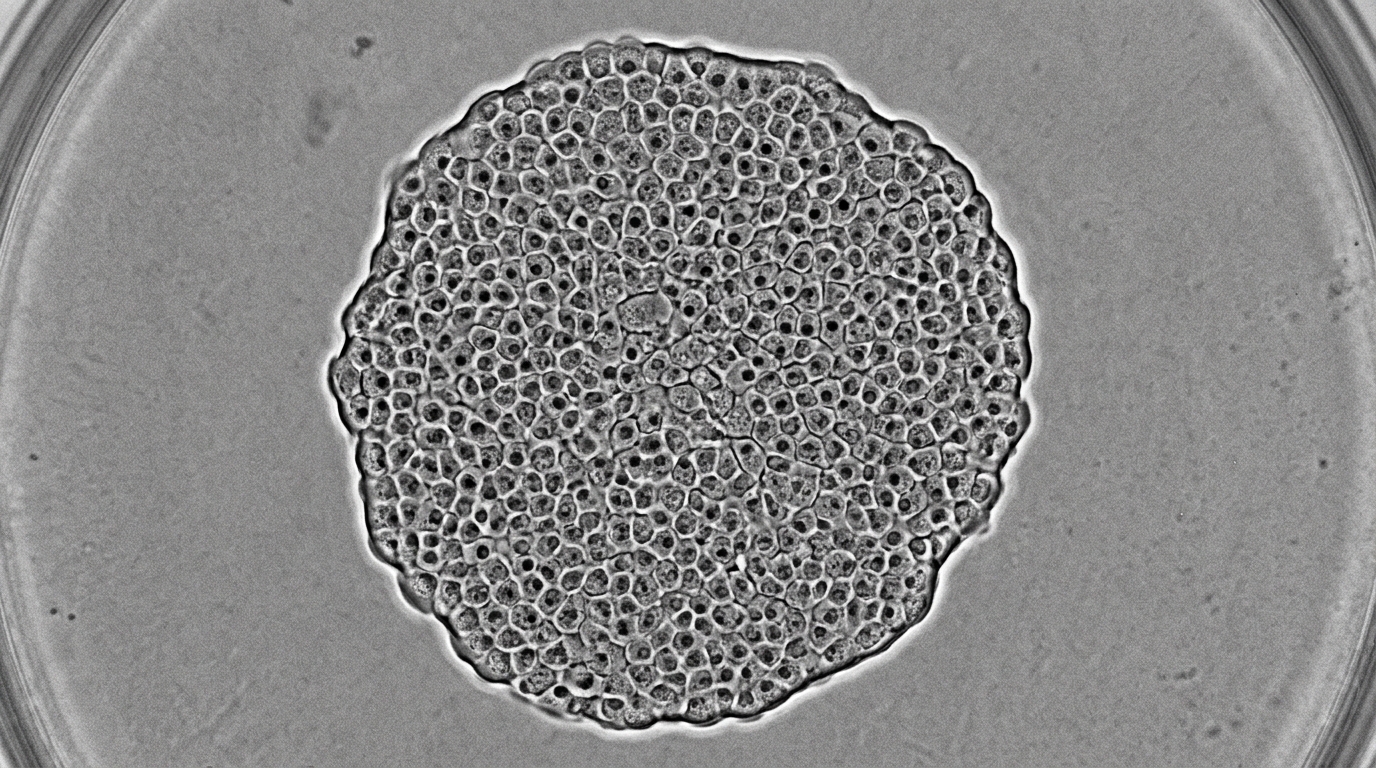
Bioethicist Jeremy Sugarman has outlined a comprehensive ethics framework comprising seven distinct criteria to determine whether basic stem cell-related research projects are ethically acceptable. Basic stem cell-related research can raise complex ethical issues when it involves human stem cell-derived embryo models, neural organoids, human-nonhuman chimeras, or in vitro gametogenesis, which may necessitate extensive ethical deliberation, public engagement, specific guidance, or even regulatory prohibitions. In contrast, the majority of basic stem cell studies involve more subtle ethical challenges that can be effectively managed through appropriate research design and oversight. With scientific research facing intense political scrutiny, establishing defensible ethics criteria before projects are funded, conducted, or reported is critical for investigators, institutions, sponsors, journal editors, and the public.
Existing oversight guidelines and translational bioethics frameworks fail to provide a comprehensive mechanism for evaluating basic stem cell-related research. Prominent standards, such as those issued by the International Society for Stem Cell Research, emphasize core principles including research enterprise integrity, primacy of patient and participant welfare, respect for patients and subjects, transparency, and social and distributive justice. While these principles are essential for clinical translation, they are insufficient to address the distinct ethical challenges of basic laboratory studies, including research requiring specialized oversight. In translational investigations, the primary focus centers on whether pre-clinical data justifies first-in-human trials, whether recipients provide informed consent, and whether selection criteria are fair, whereas basic research demands evaluating biospecimen provenance, the moral status of derived entities, and the minimization of animal harms.
Similarly, universal bioethics paradigms developed for human subject research, public health practices, and clinical care are ill-suited for basic stem cell assessments because they are predicated largely on protecting the rights, interests, and well-being of human participants against exploitation and physical harm. Responsible conduct of research standards, while serving as universal norms across scientific fields, also do not fully encompass the specific ethical dimensions of basic stem cell investigations. Scientific journals increasingly require adherence to professional guidelines and seek ethical reviews of submitted manuscripts without a recognized framework to guide such evaluations. To address these gaps, Sugarman articulated seven interrelated criteria: scientific value, minimizing moral incursions, suitable provenance, representativeness, a favorable risk-benefit profile, independent oversight, and responsible conduct of research.
Under the first criterion, basic stem cell research must demonstrate scientific value by interrogating a worthwhile question and advancing knowledge through rigorous design founded on accepted principles and conducted by qualified investigators. Transparent dissemination of results is ethically mandatory to validate and advance scientific knowledge, meaning that research addressing settled issues without valid replication or training purposes is ethically inappropriate. This requirement is justified by the stewardship of scarce financial resources and biological specimens, as well as the mandate to avoid causing unnecessary harm to nonhuman animals. Under the second criterion, minimizing moral incursions, studies involving morally sensitive materials—such as human embryos, fetal tissue, embryonic stem cell lines, and nonhuman animals—must adhere to the least infringement condition by establishing that no reasonable alternatives exist and strictly minimizing the quantity and duration of sensitive materials used, favoring alternatives like induced pluripotent stem cells or organoids where feasible.
The third and fourth criteria address the origin and composition of research materials. Suitable provenance requires verifying that biospecimens and data are ethically procured in compliance with jurisdictional laws and donor consent provisions, which include disclosures regarding embryo destruction, genetic ties, and future distribution, documented through material transfer or licensing agreements. Representativeness requires ensuring biological diversity, such as sex and genetic diversity, whenever relevant to the scientific question. Fair representation preserves scientific validity and helps prevent skewed findings that could ultimately impede clinical translation or restrict therapeutic developments for specific human populations.
The fifth criterion establishes that the anticipated benefits of basic stem cell research must outweigh its physical, economic, moral, and social risks under the ethical principle of proportionality. Physical risks encompass harms to nonhuman animals and environments, while moral and social risks require holistic evaluations of entities like embryo models, examining developmental stage, organ integration, fetal potential, neuronal circuit formation, and public concerns. Work involving neural organoids and assembloids similarly demands vigilance regarding entity welfare, effects on host animals receiving transplants, premature clinical applications, dual use, and biocomputing. Given public sensitivities, investigators must engage the public and proceed incrementally, re-evaluating harms and relaxing safeguards only as empirical findings warrant.
Independent oversight constitutes the sixth criterion, serving as an external check on investigator enthusiasm that might otherwise obscure scientific and ethical complications. Independent oversight is distributed across diverse entities: peer review assesses scientific value; animal care and use committees apply the principles of replacement, reduction, and refinement; biosafety and radiation offices minimize physical hazards; and institutional review boards evaluate human specimen procurement. Highly specialized research—such as deriving embryonic stem cells, creating human-animal chimeras, or generating neural organoids and embryo models—requires specialized stem cell oversight committees to evaluate model integration, in vitro culture duration limits, species escalation protocols, and specialized neuroscience expertise.
The seventh criterion requires strict adherence to the responsible conduct of research, spanning five core commitments: maintaining foundational integrity principles of honesty, rigor, transparency, care, and accountability; meeting institutional compliance expectations; embedding a culture of research integrity; preventing research misconduct and questionable practices; and ensuring continuous improvement. Sugarman concludes that while these seven criteria are necessary to determine whether a basic stem cell project is ethical, they may not be entirely sufficient for translational projects that intersect with clinical trials or broad funder allocations. Nevertheless, implementing a systematic ethical framework provides a consistent mechanism to assess basic research, foster accountability, and reinforce public trust.
Subject of Research: Ethics framework for basic stem cell-related research
Article Title: When is stem cell-related research ethical?
Article References: Sugarman, J. (2026). When is stem cell-related research ethical?. EMBO Reports. https://doi.org/10.1038/s44319-026-00985-0
Image Credits: AI Generated
DOI: 10.1038/s44319-026-00985-0
Keywords: basic stem cell research, bioethics framework, scientific value, moral incursions, neural organoids, embryo models, independent oversight, research integrity, stem, cell-related, research, ethical
News Source: Drew Townsend. (November 5, 2026). Seven Ethical Criteria Proposed to Guide Basic Stem Cell-Related Research. Scienmag.