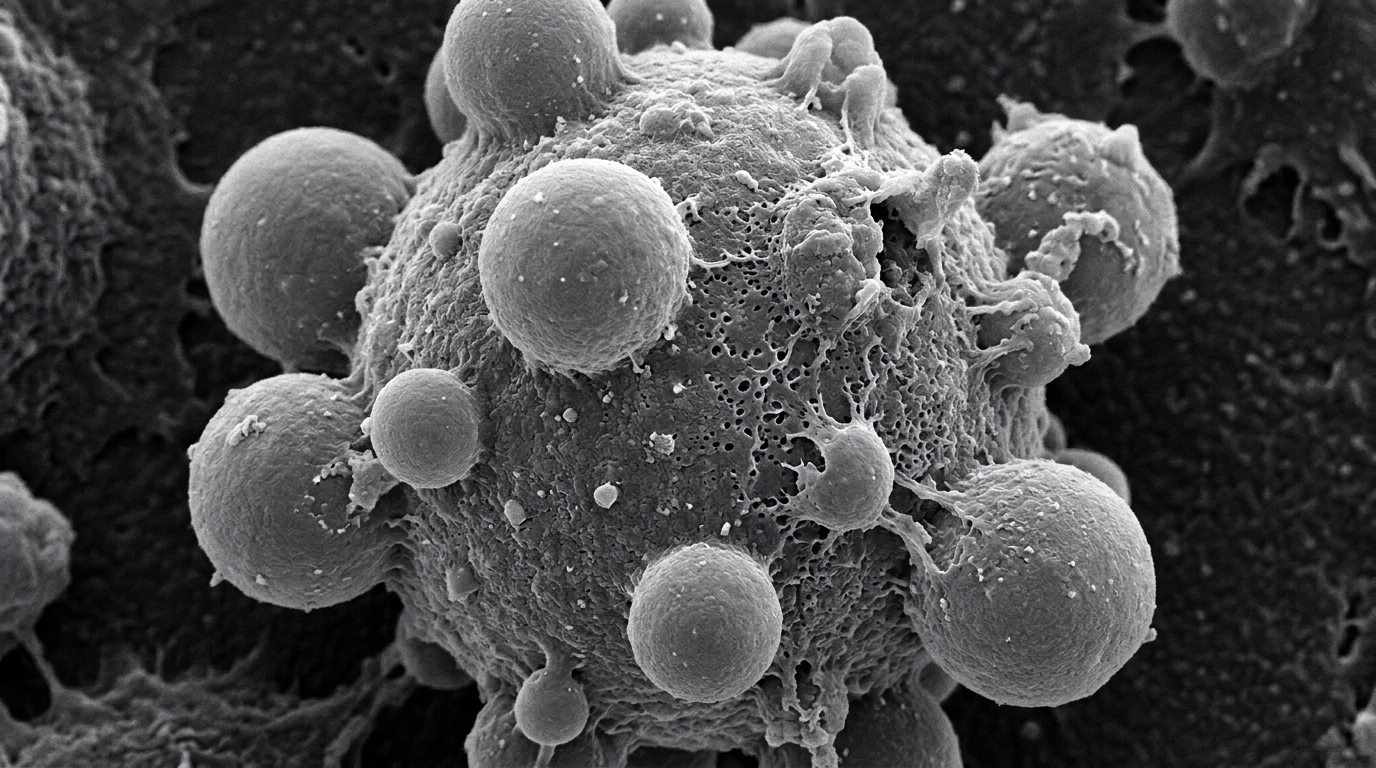
Pyroptosis, a lytic form of regulated cell death driven by gasdermin proteins, has emerged as a double-edged sword in cancer. Depending on which cells die, how strongly the death signal fires, when it occurs, and what the surrounding tumor immune microenvironment looks like, pyroptosis can either amplify antitumor immunity or sustain the tumor-promoting inflammation that cancers exploit. A new review published in Molecular Cancer examines how this cell death pathway intertwines with metabolism, arguing that the crosstalk between the two could shape the next generation of precision cancer therapies.
The review, authored by Liheng He, Yutong He, Jiayang Feng and colleagues, was published on 3 November 2026 as an open-access article. Its central premise is that metabolic reprogramming, a recognized hallmark of cancer, does not merely fuel tumor growth; it also regulates pyroptosis at multiple discrete steps. These include inflammasome priming, activation of cysteine-aspartic proteases known as caspases, expression and cleavage of gasdermin proteins, formation of membrane pores, and the eventual release of inflammatory cytokines. Each of these checkpoints, the authors contend, is a potential point of metabolic control and therapeutic intervention.
The influence also runs in the opposite direction. When cells undergo pyroptosis, they release interleukin-1 beta, interleukin-18, damage-associated molecular patterns, and extracellular vesicles. These molecules can alter how tumors use nutrients, how much oxygen is available, which immune cells are recruited to the tumor, and how inflammatory feedback loops develop. The review is careful to note, however, that direct tumor-specific causal evidence for this reverse direction, from pyroptosis back to tumor metabolism, remains limited, a gap the authors flag as a priority for future research.
To bring order to a sprawling and often inconsistent literature, the authors apply a four-level evidence hierarchy. Level I denotes direct cancer-specific causality, the strongest form of evidence. Level II covers tumor-context mechanisms resolved at the single-cell level. Level III captures mechanistic work performed in non-cancer models, and Level IV encompasses correlative or computational associations. This framework allows the review to distinguish between findings that have been causally established in tumors and those that remain suggestive, an important discipline in a field where many claims rest on indirect evidence.
A key contribution of the review is its dissection of the distinct pyroptosis axes that operate in different cellular contexts. The caspase-1/gasdermin D axis represents the canonical inflammasome pathway. The caspase-4/5/11/gasdermin D axis mediates death in response to bacterial lipopolysaccharide. The caspase-3/gasdermin E axis links apoptosis machinery to lytic death, while the caspase-8/gasdermin C/gasdermin D axis and the granzyme/gasdermin axis connect immune cell killing to pyroptotic execution. Because each axis is triggered by different upstream signals and produces different downstream consequences, the authors argue that therapies must be tailored to the specific axis at play rather than treating pyroptosis as a single switch.
The review also evaluates the evidence that specific metabolic pathways govern these death programs. Glucose metabolism, lipid metabolism, mitochondrial function, epigenetic regulation, and immunometabolic signaling are each assessed for their role in controlling pyroptosis. Metabolic state can determine whether an inflammasome is primed, whether caspases reach the activation threshold needed to cleave gasdermins, and whether pores form in the cell membrane. In tumors, where nutrient availability and oxygen tension are often distorted, these regulatory relationships may behave very differently than in healthy tissue, creating both vulnerabilities and resistance mechanisms.
Why do pyroptosis-targeted metabolic therapies sometimes fail? The review addresses this question directly, identifying potential reasons ranging from the cellular source of the death signal to the intensity and timing of pyroptotic activation. A therapy that triggers pyroptosis in the wrong cells, at the wrong moment, or at the wrong strength could feed tumor-promoting inflammation instead of igniting antitumor immunity. The composition of the tumor immune microenvironment ultimately decides which outcome prevails, making context a decisive variable rather than an afterthought.
Equally important is the question of who benefits and who is harmed. The review identifies patient populations most likely to gain from pyroptosis-directed metabolic interventions and those at risk of damage, underscoring that a treatment designed to kill tumor cells through inflammatory lysis could also injure healthy tissue or worsen disease in some patients. Precision patient selection, the authors argue, is not optional but foundational to any clinical translation of this biology.
Looking forward, the authors outline how biomarker-guided trials should integrate four dimensions simultaneously: gasdermin activation status, the metabolic state of the tumor, cytokine output, and the composition of the tumor immune microenvironment. Measuring only one of these, they suggest, risks misclassifying patients and misreading trial results. By combining these readouts, trials could identify which patients are positioned to respond to therapies that exploit the pyroptosis-metabolism crosstalk, and which should be steered toward alternative strategies. The review thus positions itself not as a simple catalog of pathways but as a roadmap for translating a complex biological relationship into actionable, patient-specific cancer treatment.
Subject of Research: Crosstalk between pyroptotic cell death and metabolic reprogramming in tumor pathogenesis and precision therapy
Article Title: Pyroptosis-metabolism crosstalk: rewiring tumor pathogenesis for precision therapeutic breakthroughs
Article References: He, L., He, Y., Feng, J., Liu, D., Cong, Y., Cheng, Q., Yuan, Q., Qin, Y., & Wu, G. (2026). Pyroptosis-metabolism crosstalk: rewiring tumor pathogenesis for precision therapeutic breakthroughs. Molecular Cancer. https://doi.org/10.1186/s12943-026-02826-z
Image Credits: AI Generated
DOI: 10.1186/s12943-026-02826-z
Keywords: pyroptosis, gasdermin, metabolic reprogramming, tumor microenvironment, inflammasome, caspase, cancer therapy, immunometabolism, precision oncology, cytokines, Pyroptosis-metabolism, crosstalk
News Source: Nathaniel Bowman. (November 6, 2026). Pyroptosis and Metabolism: How Cancer Cells Rewire Cell Death for Therapy. Scienmag.