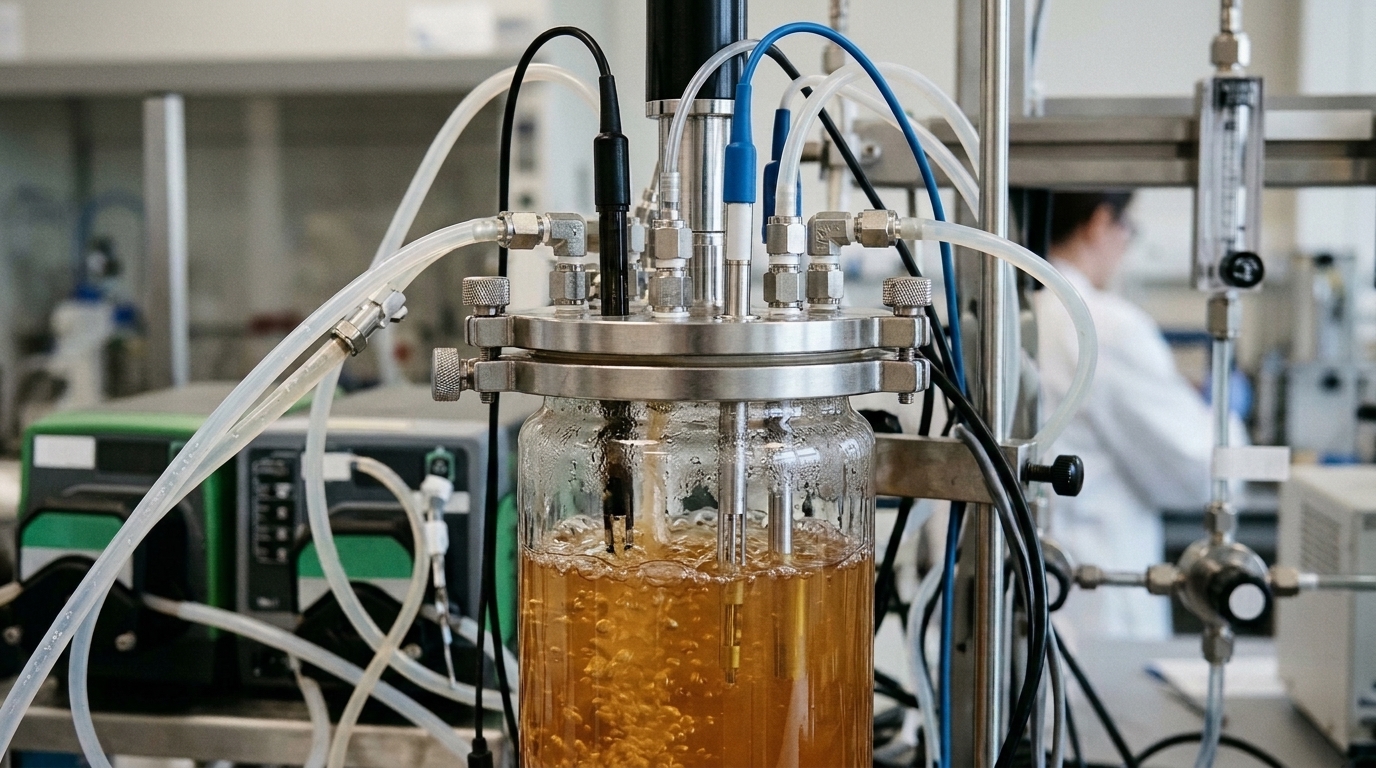
A research team led by Sumin Choi and Robert J. Mitchell has established a Robogut-based screening framework to evaluate live biotherapeutic candidates designed to suppress intestinal colonization by Carbapenem-resistant Enterobacterales, according to a study published in Gut Pathogens. Researchers established the in vitro screening framework to serve as an intermediate testing stage positioned between primary plate-based screening and in vivo validation. By testing candidate strains in an environment that simulates a gut-like microbial ecosystem, the Robogut platform differentiated candidates that retain antibacterial activity under gastrointestinal conditions from those that succeed only in initial culture dishes.
Carbapenem-resistant Enterobacterales can colonize the gastrointestinal tract and serve as a critical reservoir for both clinical infection and microbial transmission. Live biotherapeutic products offer a potential therapeutic strategy to suppress intestinal colonization by these resistant pathogens. However, conventional plate-based screening assays cannot reliably identify whether candidate strains will retain their suppressive activity within a complex, gut-like microbial ecosystem.
In their experimental design, the researchers first screened human fecal isolates against the CRE challenge strain Klebsiella pneumoniae PNUH40. Candidates selected from this primary screening were then evaluated under Robogut-based in vitro CRE colonization conditions. The Robogut-based screening platform successfully distinguished candidate strains that retained their anti-CRE activity under gut-like conditions from a plate-positive candidate that failed to retain activity in the ecosystem.
To evaluate the environmental fidelity of the system, the investigators performed microbial community analysis and targeted short-chain fatty acid quantification. The assessments revealed that the Robogut culture successfully established a fecal-derived microbial community alongside a metabolic environment characterized by the accumulation of acetate, propionate, and butyrate. The authors concluded that these preliminary findings support the potential of Robogut-based screening as an intermediate step for prioritizing anti-CRE live biotherapeutic candidates before animal validation, providing an evidence-backed filter that aligns in vitro candidate performance with in vivo efficacy.
Subject of Research: Robogut screening of live biotherapeutic candidates for intestinal CRE suppression
Article Title: Robogut-based ecosystem screening of live biotherapeutic candidates for intestinal CRE suppression
Article References: Choi, S., Jang, H., Lee, H. S., Park, S., Ekpenyong, J., Mun, W., Han, J.-E., & Mitchell, R. J. (2026). Robogut-based ecosystem screening of live biotherapeutic candidates for intestinal CRE suppression. Gut Pathogens. https://doi.org/10.1186/s13099-026-00898-2
Image Credits: AI Generated
DOI: 10.1186/s13099-026-00898-2
Keywords: Carbapenem-resistant Enterobacterales, Robogut, live biotherapeutic products, microbiome, Klebsiella pneumoniae, short-chain fatty acids, in vitro screening, gut colonization, Robogut-based, ecosystem, screening, live
News Source: Gavin Prescott. (November 6, 2026). Research report: Robogut-based ecosystem screening of live biotherapeutic candidates for intestinal CRE suppression. Scienmag.