Scientists have identified ATG9B, a protein involved in shuttling membrane material during autophagy, as a direct functional target of the natural compound liensinine in models of polycystic ovary syndrome (PCOS). The study, published in the Journal of Ovarian Research, combined transcriptomic screening, molecular docking, cell experiments and a mouse model to trace how the compound dampens excessive autophagy in ovarian granulosa cells. The findings suggest a mechanism that could inform future therapeutic strategies, although the work remains at the preclinical stage.
PCOS is a common endocrine disorder, and previous research has linked it to aberrant activation of autophagy, the cellular recycling process, in granulosa cells that surround and nurture developing eggs. However, the molecular drivers of this dysregulation have remained unclear. To narrow the search, the researchers analysed a publicly available transcriptomic dataset of granulosa cells from women with and without PCOS. Among the differentially expressed genes, ATG9B stood out: the gene encoding this autophagy-related protein was significantly upregulated in PCOS samples.
To probe what elevated ATG9B actually does, the team used the KGN human granulosa cell line. When the researchers forced ATG9B overexpression in these cells, autophagy was disrupted, supporting the idea that excess ATG9B contributes to the pathological autophagic activation seen in the syndrome. This positioned ATG9B not merely as a marker of disease but as a candidate functional player in the cellular defects associated with PCOS.
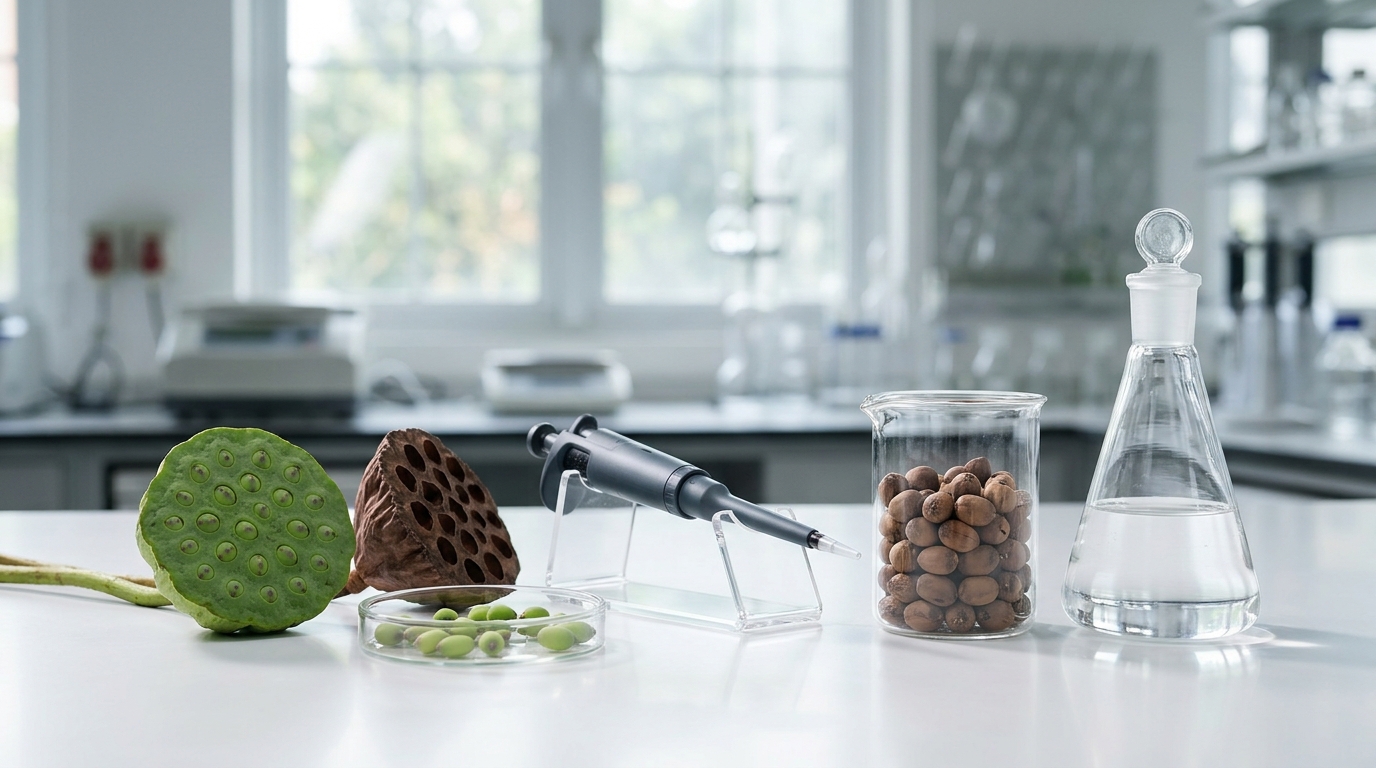
The next question was whether an existing compound could rein in ATG9B. The team turned to liensinine, a natural alkaloid derived from lotus seeds, and used molecular docking to predict how the molecule might interact with the ATG9B protein. The docking analysis suggested a plausible binding interaction, and subsequent in vitro experiments tested whether that interaction translates into biological effects.
In a dehydroepiandrosterone-derived androgen (DHT)-induced PCOS cell model, liensinine appeared to act through ATG9B to modulate the AKT/mTOR signalling pathway, a central hub that regulates cell growth, metabolism and autophagy. According to the study, this action attenuated excessive autophagy and restored mitochondrial function in the treated cells. Mitochondrial health in granulosa cells is considered important for normal ovarian function, so the restoration of mitochondrial parameters was a notable observation.
A crucial control experiment strengthened the causal argument. When the researchers overexpressed ATG9B in the cells, the therapeutic effects of liensinine were diminished. In other words, if the target protein was present in excess, the compound could no longer exert its full benefit. The authors interpret this as confirmation that ATG9B occupies a central position in the mechanism: the compound works by engaging ATG9B, and its efficacy depends on the relative availability of that target.
The team extended the work beyond the dish. In a DHT-induced PCOS mouse model, liensinine treatment again appeared to ameliorate the pathological features associated with the syndrome, consistent with the cell-based findings. The convergence of results across transcriptomics, docking, cell culture and animal experiments provides a coherent narrative, though the authors note that the study elucidates a mechanism rather than establishing clinical efficacy in patients.
The study’s significance lies in connecting several threads: an upregulated gene in PCOS granulosa cells, a natural compound with predicted binding affinity to that gene’s product, and a signalling axis, AKT/mTOR, whose modulation correlates with improved autophagic balance and mitochondrial function. By identifying ATG9B as the pivot, the research offers a molecular explanation for why autophagy becomes dysregulated in PCOS and proposes a concrete point of intervention.
As with all preclinical research, important caveats apply. The cell model relies on a single granulosa cell line and an androgen-induced phenotype, and the mouse model, while informative, does not capture the full heterogeneity of human PCOS. Clinical translation would require pharmacokinetic characterisation of liensinine, dose optimisation, safety profiling and ultimately controlled trials in patients. Nevertheless, the identification of a direct molecular target for a natural compound in this context represents a step toward mechanism-based therapeutic development for a condition that currently has limited treatment options targeting its underlying cellular pathology.
Subject of Research: A study identifying ATG9B as a direct target of liensinine in reducing aberrant autophagy in PCOS granulosa cell and mouse models.
Article Title: ATG9B identified as a direct functional target of liensinine in attenuating autophagic dysfunction and pathogenesis of KGN cell and polycystic ovary syndrome mice
Article References: Zhang, Q., Zhang, M., Ji, R., Yang, Z., Zhou, J., Zhou, M., Zhang, Y., & Wu, G. (2026). ATG9B identified as a direct functional target of liensinine in attenuating autophagic dysfunction and pathogenesis of KGN cell and polycystic ovary syndrome mice. Journal of Ovarian Research. https://doi.org/10.1186/s13048-026-02325-1
Image Credits: AI Generated
DOI: 10.1186/s13048-026-02325-1
Keywords: PCOS, ATG9B, liensinine, autophagy, AKT/mTOR, granulosa cells, mitochondrial function, molecular docking, KGN cells, DHT-induced model, Journal of Ovarian Research, preclinical study
News Source: Ophelia Keating. (November 6, 2026). Liensinine targets ATG9B to curb autophagy dysfunction in PCOS models. Scienmag.