• HOME
  • NEWS
  • EXPLORE
    • CAREER
      • Companies
      • Jobs
    • EVENTS
    • iGEM
      • News
      • Team
    • PHOTOS
    • VIDEO
    • WIKI
  • BLOG
  • COMMUNITY
    • FACEBOOK
    • INSTAGRAM
    • TWITTER
Friday, November 6, 2026
BIOENGINEER.ORG
No Result
View All Result
  • Login
  • HOME
  • NEWS
  • EXPLORE
    • CAREER
      • Companies
      • Jobs
        • Lecturer
        • PhD Studentship
        • Postdoc
        • Research Assistant
    • EVENTS
    • iGEM
      • News
      • Team
    • PHOTOS
    • VIDEO
    • WIKI
  • BLOG
  • COMMUNITY
    • FACEBOOK
    • INSTAGRAM
    • TWITTER
No Result
View All Result
Bioengineer.org
No Result
View All Result
Home NEWS Science News Biology

Antarctic Intertidal Sediments Identified as Hotspots for Dimethyl Sulfide Production

by
November 6, 2026
in Biology
Reading Time: 2 mins read
0
Antarctic Intertidal Sediments Identified as Hotspots for Dimethyl Sulfide Production

Antarctic Intertidal Sediments Identified as Hotspots for Dimethyl Sulfide Production

Share on FacebookShare on TwitterShare on LinkedinShare on RedditShare on Telegram

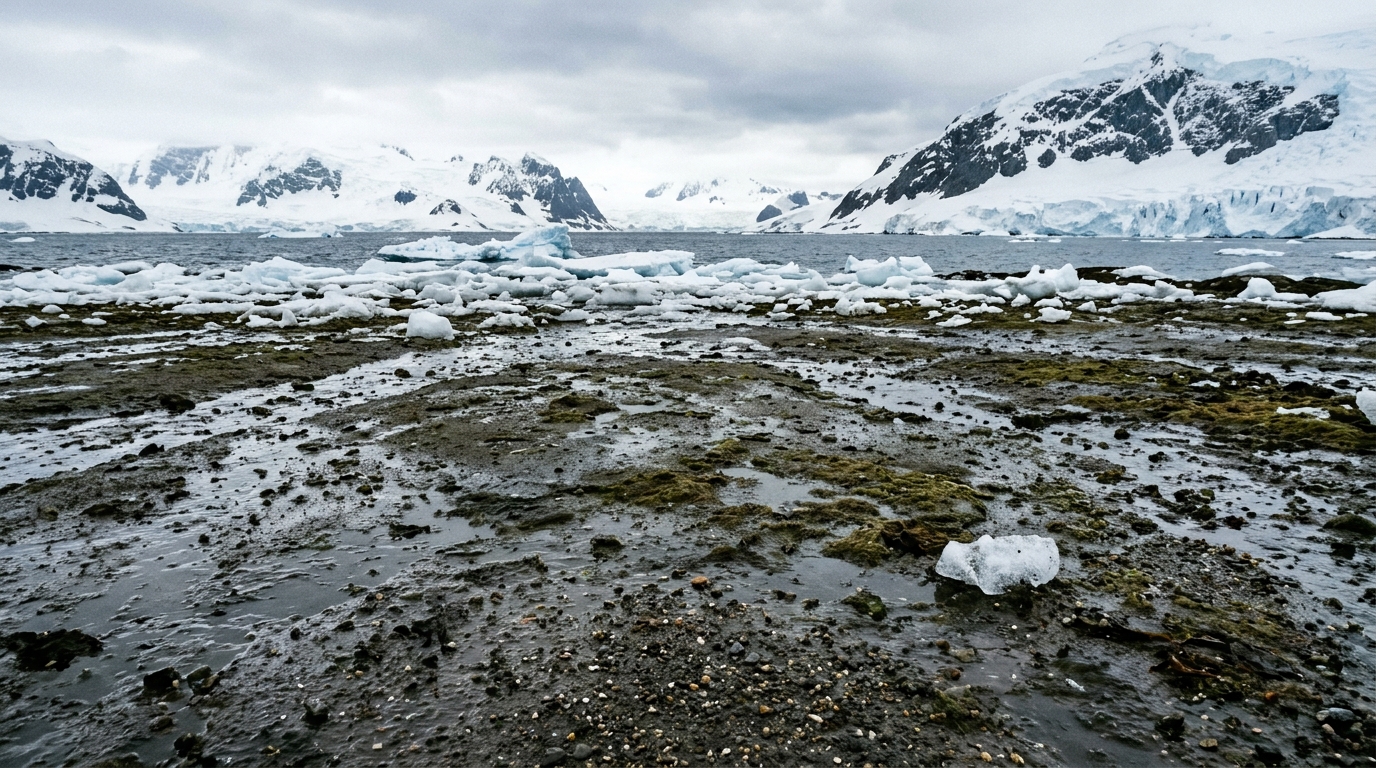
Intertidal sediments along the Antarctic coast represent overlooked hotspots of dimethyl sulfide production driven by Granulosicoccus-containing microbial communities, according to a research study published in Microbiome on November 5, 2026.

The discovery of this active cleavage pathway establishes a notable contrast to open pelagic ocean environments, where marine sulfur cycling is typically dominated by demethylation processes. Dimethyl sulfide is a volatile organosulfur compound that plays a significant role in global climate regulation because of its direct contribution to atmospheric aerosol formation. Although the Southern Ocean represents an essential source of dimethyl sulfide and serves as a vital region for marine sulfur cycling on a planetary scale, previous scientific investigations have concentrated primarily on pelagic waters. As a consequence of this historical focus, the microbial drivers regulating dimethyl sulfide cycling in Antarctic coastal sediments have remained poorly understood.

To characterize the microbial mechanisms and sulfur transformations taking place within the intertidal sediments of the Fildes Peninsula, the researchers employed an integrated multi-tiered experimental strategy. Alongside these genomic surveys, the team conducted targeted DMSP-amendment incubation experiments designed to test how the sediment-dwelling microorganisms respond metabolically to the direct addition of DMSP under controlled conditions.

The incubation experiments confirmed rapid generation of dimethyl sulfide upon the addition of DMSP, validating the active functional potential of the cleavage pathway in these intertidal sediments. Through genomic reconstruction, the study identified the bacterial taxa Granulosicoccus, Ilumatobacter, and Cocleimonas as key potential drivers responsible for mediating dimethyl sulfide cycling in this coastal habitat.

These findings collectively identify Antarctic intertidal sediments as overlooked hotspots of dimethyl sulfide production mediated by the DMSP cleavage pathway and Granulosicoccus-dominated microbial communities. Because traditional polar biogeochemical models have omitted coastal intertidal sediments in favor of open pelagic waters, the researchers emphasize that these nearshore environments must now be integrated into broader polar models.

Subject of Research: Dimethyl sulfide production in Antarctic intertidal sediments

Article Title: Antarctic intertidal sediments are overlooked hotspots of dimethyl sulfide production associated with Granulosicoccus-containing microbial communities

Article References: Yan, D., Su, S., Li, C.-Y., Liao, L., & Ji, M. (2026). Antarctic intertidal sediments are overlooked hotspots of dimethyl sulfide production associated with Granulosicoccus-containing microbial communities. Microbiome. https://doi.org/10.1186/s40168-026-02568-6

Image Credits: AI Generated

DOI: 10.1186/s40168-026-02568-6

Keywords: Dimethyl sulfide, Antarctic sediments, Fildes Peninsula, Granulosicoccus, DMSP cleavage, Microbiome, Southern Ocean, Biogeochemical cycles, Antarctic, intertidal, sediments, overlooked

News Source: Drew Townsend. (November 6, 2026). Antarctic Intertidal Sediments Identified as Hotspots for Dimethyl Sulfide Production. Scienmag.
Tags: AntarcticAntarctic sedimentsbiogeochemical cyclesdimethyl sulfideDMSP cleavageFildes PeninsulaGranulosicoccusintertidalMicrobiomeOverlookedsedimentsSouthern Ocean
Share12Tweet7Share2ShareShareShare1

Related Posts

Formononetin Suppresses Ferroptosis to Protect the Diabetic Heart via PPARγ

Formononetin Suppresses Ferroptosis to Protect the Diabetic Heart via PPARγ

November 6, 2026
Gene Gains and Losses Shape Arthropod Evolution, Genomic Survey Finds

Gene Gains and Losses Shape Arthropod Evolution, Genomic Survey Finds

November 6, 2026

Research report: Robogut-based ecosystem screening of live biotherapeutic candidates for intestinal CRE suppression

November 6, 2026

Brainstem Neurons in Median Raphe Generate Sleep Drive in Mice

November 6, 2026

POPULAR NEWS

  • Generic Vardenafil Tablets Prove Bioequivalent to Levitra in Rigorous Clinical Trial

    Generic Vardenafil Tablets Prove Bioequivalent to Levitra in Rigorous Clinical Trial

    29 shares
    Share 12 Tweet 7
  • Grafting Assisted Molecular Fragmentation Delivers Rapid Gold Standard Quantum Chemical Energies

    29 shares
    Share 12 Tweet 7
  • Brain atrophy mapping links memory decline in MCI to a common network that rTMS can modulate

    29 shares
    Share 12 Tweet 7
  • Research report: Robogut-based ecosystem screening of live biotherapeutic candidates for intestinal CRE suppression

    29 shares
    Share 12 Tweet 7

About

We bring you the latest biotechnology news from best research centers and universities around the world. Check our website.

Follow us

Recent News

Liensinine targets ATG9B to curb autophagy dysfunction in PCOS models

SPECT/CT tracer [123I]I-PARPi mirrors PARP immunohistochemistry across cancers

Formononetin Suppresses Ferroptosis to Protect the Diabetic Heart via PPARγ

Subscribe to Blog via Email

Enter your email address to subscribe to this blog and receive notifications of new posts by email.

Join 86 other subscribers
  • Contact Us

Bioengineer.org © Copyright 2023 All Rights Reserved.

Welcome Back!

Login to your account below

Forgotten Password?

Retrieve your password

Please enter your username or email address to reset your password.

Log In
No Result
View All Result
  • Homepages
    • Home Page 1
    • Home Page 2
  • News
  • National
  • Business
  • Health
  • Lifestyle
  • Science

Bioengineer.org © Copyright 2023 All Rights Reserved.