• HOME
  • NEWS
  • EXPLORE
    • CAREER
      • Companies
      • Jobs
    • EVENTS
    • iGEM
      • News
      • Team
    • PHOTOS
    • VIDEO
    • WIKI
  • BLOG
  • COMMUNITY
    • FACEBOOK
    • INSTAGRAM
    • TWITTER
Friday, November 6, 2026
BIOENGINEER.ORG
No Result
View All Result
  • Login
  • HOME
  • NEWS
  • EXPLORE
    • CAREER
      • Companies
      • Jobs
        • Lecturer
        • PhD Studentship
        • Postdoc
        • Research Assistant
    • EVENTS
    • iGEM
      • News
      • Team
    • PHOTOS
    • VIDEO
    • WIKI
  • BLOG
  • COMMUNITY
    • FACEBOOK
    • INSTAGRAM
    • TWITTER
No Result
View All Result
Bioengineer.org
No Result
View All Result
Home NEWS Science News Cancer

NFS1 Emerges as Stress-Induced Vulnerability When mTOR Is Suppressed in Glioblastoma

by
November 6, 2026
in Cancer, Health
Reading Time: 2 mins read
0
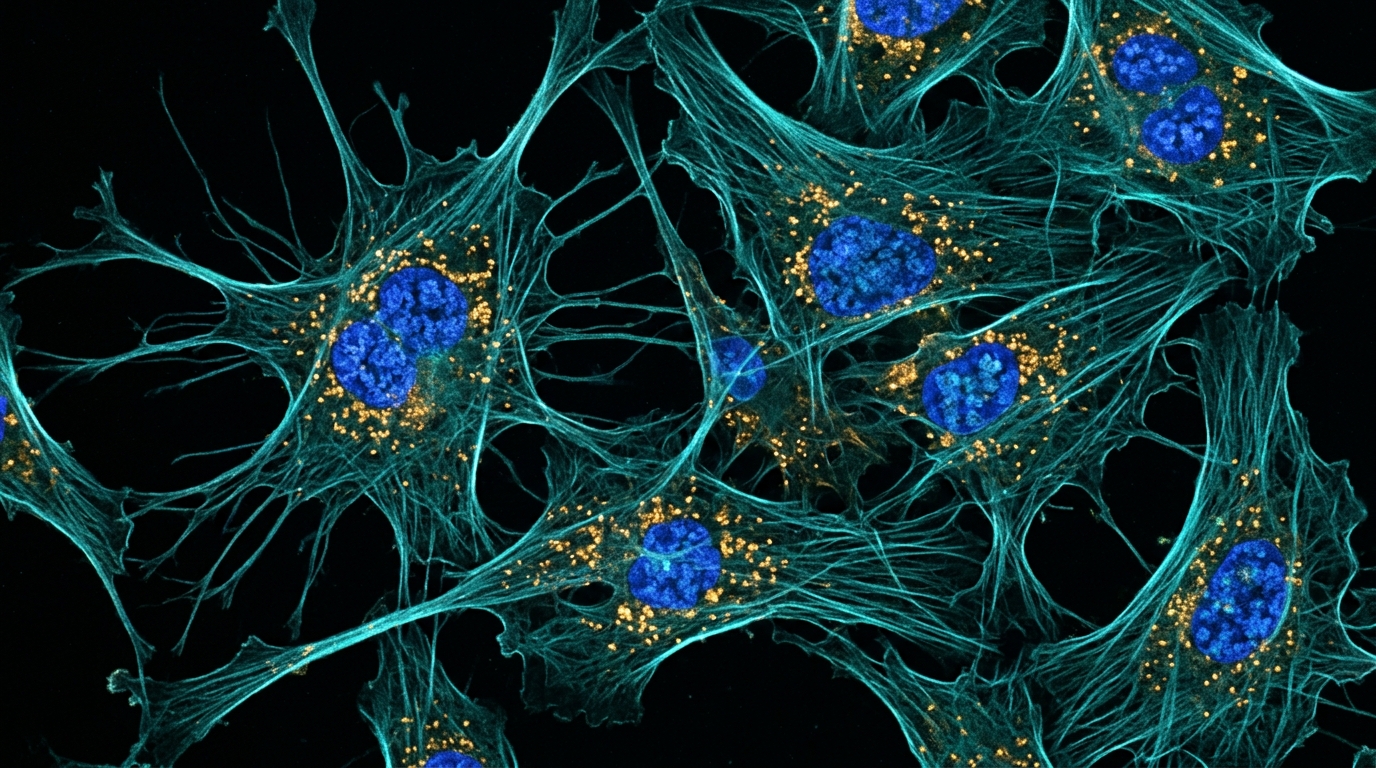
NFS1 Emerges as Stress-Induced Vulnerability When mTOR Is Suppressed in Glioblastoma

NFS1 Emerges as Stress-Induced Vulnerability When mTOR Is Suppressed in Glioblastoma

Share on FacebookShare on TwitterShare on LinkedinShare on RedditShare on Telegram

Glioblastoma remains one of the most difficult tumors to treat, and a new study published in the Journal of Neuro-Oncology points to a reason why: the cancer cells adapt to therapy by rewiring their metabolism. Researchers report that when mTOR signaling is suppressed in glioblastoma cells, the cells respond by inducing NFS1, a cysteine desulfurase enzyme. This adaptive induction of NFS1 appears to help the cells survive the metabolic stress of treatment and maintain the stem-like, flexible state that makes glioblastoma so resistant to therapy.

Suppressing mTOR signaling triggers a compensatory program in which the cells shift toward a stemness-associated phenotype and become dependent on NFS1.

To uncover this mechanism, the team subjected human glioblastoma cells to sphere-forming conditions or pharmacological inhibition of mTOR signaling. Both interventions induced stemness-associated changes in the cells. The researchers then performed unbiased proteomic profiling following mTORC2 inhibition to identify which metabolic alterations accompanied the adaptation.

Functional experiments confirmed that NFS1 is not merely a passive marker of stress but an active participant in the adaptive response. When the researchers used knockdown techniques to deplete NFS1, the glioblastoma cells lost some of their stemness-associated responses and became more sensitive to mTOR pathway inhibition. In other words, the enzyme appears to act as a metabolic dependency that emerges specifically when the cells are pushed into an adaptive state by therapeutic pressure.

The team also turned to orthotopic xenograft models. In these highly tumorigenic settings, increased NFS1 expression was confirmed. The researchers additionally explored whether iron availability modulates this adaptive phenotype, describing those analyses as exploratory but suggestive of a potential modulatory role for iron in shaping how glioblastoma cells respond to mTOR suppression.

Because the study relied on cell culture models, xenografts and publicly available datasets rather than patient trials, the findings should be understood as preclinical. The authors themselves frame the work as identifying a mechanism rather than validating a treatment.

Subject of Research: NFS1 induction as an adaptive metabolic response linking mTOR suppression to stemness-associated plasticity in glioblastoma

Article Title: Adaptive induction of NFS1 links mTOR suppression to stemness-associated plasticity in glioblastoma

Article References: Morino, A., Hayakawa, Y., Masui, K., Murakami, K., & Kurata, A. (2026). Adaptive induction of NFS1 links mTOR suppression to stemness-associated plasticity in glioblastoma. Journal of Neuro-Oncology, 180(2), Article 37. https://doi.org/10.1007/s11060-026-05856-1

Image Credits: AI Generated

DOI: 10.1007/s11060-026-05856-1

Keywords: glioblastoma, NFS1, mTOR, stemness, cellular plasticity, proteomics, iron-sulfur clusters, orthotopic xenograft, treatment resistance, metabolic dependency, cysteine desulfurase, preclinical study

News Source: Nathaniel Bowman. (November 6, 2026). NFS1 Emerges as Stress-Induced Vulnerability When mTOR Is Suppressed in Glioblastoma. Scienmag.


Tags: cellular plasticitycysteine desulfuraseGlioblastomairon-sulfur clustersmetabolic dependencymTORNFS1orthotopic xenograftpreclinical studyProteomicsstemnessTreatment resistance
Share12Tweet7Share2ShareShareShare1

Related Posts

Prior Head Injury Strongly Predicts New Mental Disorders After Mild Traumatic Brain Injury

Prior Head Injury Strongly Predicts New Mental Disorders After Mild Traumatic Brain Injury

November 6, 2026
Plant Metabolite Brachycerine Shields Human Skin Samples From UV Damage

Plant Metabolite Brachycerine Shields Human Skin Samples From UV Damage

November 6, 2026

Music with Monaural Beats Eases Anxiety More Than Music Alone

November 6, 2026

Patient-reported measures may not be as patient-centred as they seem

November 6, 2026

POPULAR NEWS

  • Liensinine targets ATG9B to curb autophagy dysfunction in PCOS models

    Liensinine targets ATG9B to curb autophagy dysfunction in PCOS models

    29 shares
    Share 12 Tweet 7
  • SPECT/CT tracer [123I]I-PARPi mirrors PARP immunohistochemistry across cancers

    29 shares
    Share 12 Tweet 7
  • Formononetin Suppresses Ferroptosis to Protect the Diabetic Heart via PPARγ

    29 shares
    Share 12 Tweet 7
  • Hemodialysis Patients in Postwar Tigray Describe Silent Struggles in Qualitative Study

    29 shares
    Share 12 Tweet 7

About

We bring you the latest biotechnology news from best research centers and universities around the world. Check our website.

Follow us

Recent News

Passively aerated constructed wetlands turn piggery wastewater into a low-cost success story

Prior Head Injury Strongly Predicts New Mental Disorders After Mild Traumatic Brain Injury

Polyaniline-Functionalized Magnetic Activated Carbon Efficiently Removes Methyl Orange From Water

Subscribe to Blog via Email

Enter your email address to subscribe to this blog and receive notifications of new posts by email.

Join 86 other subscribers
  • Contact Us

Bioengineer.org © Copyright 2023 All Rights Reserved.

Welcome Back!

Login to your account below

Forgotten Password?

Retrieve your password

Please enter your username or email address to reset your password.

Log In
No Result
View All Result
  • Homepages
    • Home Page 1
    • Home Page 2
  • News
  • National
  • Business
  • Health
  • Lifestyle
  • Science

Bioengineer.org © Copyright 2023 All Rights Reserved.