


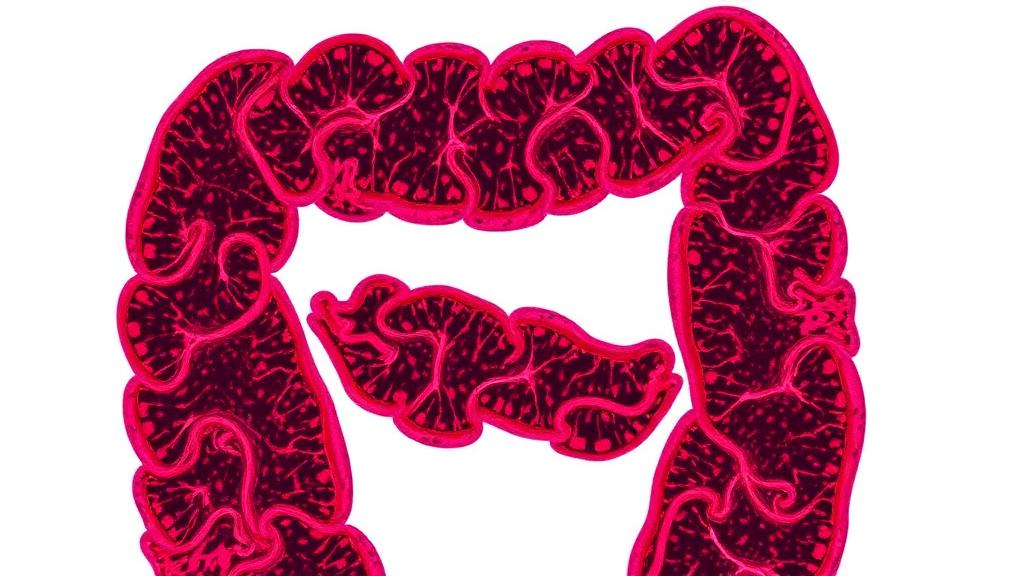
Colorectal cancer progression depends heavily on communication between tumor epithelial cells and the surrounding stroma, and a new study in Cell & Bioscience reports that an epigenetic switch helps determine how the two compartments behave in opposite ways. Using integrated multi-omics analyses, including single-cell RNA sequencing, spatial transcriptomics, and genomic profiling, the researchers identified compartment-specific regulation of the A-kinase anchoring protein 12 (AKAP12)-Leiomodin-1 (LMOD1) signaling axis, a pathway whose activity diverges sharply between cancer cells and cancer-associated fibroblasts.
The pivotal factor was promoter methylation of AKAP12. In epithelial cells, hypermethylation of the AKAP12 promoter was associated with low AKAP12 expression, while fibroblasts maintained a hypomethylated state that supported higher AKAP12 expression. This methylation difference was linked to distinct cytoskeletal and junctional programs in the two compartments. In epithelial cells, AKAP12-LMOD1 signaling was associated with preserved tight junctions and barrier integrity, whereas in cancer-associated fibroblasts the same axis was associated with actin remodeling, gap junction communication, and a more activated fibroblast state.
The study also traced the molecular wiring of the axis. According to the authors, AKAP12 scaffolds PKA to phosphorylate CREB1, which drives LMOD1 transcription, and LMOD1 in turn remodels actin to tune tight junctions in colorectal cancer cells and gap junctions in fibroblasts.
Single-cell and spatial analyses revealed a particularly marked split in mucinous adenocarcinoma, a stroma-rich subtype of colorectal cancer. In these tumors, stromal AKAP12-LMOD1 activity was enhanced while epithelial activity was markedly suppressed, reinforcing the idea that the axis operates in a context-dependent manner rather than as a uniformly pro- or anti-tumor signal.
Beyond the mechanistic mapping, the team used structure-based virtual screening followed by experimental validation to identify the natural compound hederagenin as an LMOD1-engaging molecule. Treatment of the CAF compartment with hederagenin attenuated LMOD1-dependent CAF activation, reduced CAF-induced epithelial dysfunction and malignant phenotypes in colorectal cancer cells and mucinous organoids, and supports stromal LMOD1 as a potential intervention point. The authors emphasize that these findings support further evaluation of stromal LMOD1-directed intervention, particularly in stroma-rich colorectal cancer, rather than establishing an immediate clinical therapy.
Subject of Research: Epigenetic regulation of the AKAP12-LMOD1 axis in epithelial and stromal compartments of colorectal cancer
Article Title: Epigenetic divergence of the AKAP12-LMOD1 axis drives opposing epithelial and stromal functions in colorectal cancer
Article References: Ye, Q.-W., Liu, Y.-J., Zhang, Y., He, Y.-N., Xu, G., Zhang, Y., Wang, S.-S., Liu, S.-L., Chen, Y.-G., & Li, J.-P. (2026). Epigenetic divergence of the AKAP12-LMOD1 axis drives opposing epithelial and stromal functions in colorectal cancer. Cell & Bioscience. https://doi.org/10.1186/s13578-026-01661-5
Image Credits: AI Generated
DOI: 10.1186/s13578-026-01661-5
Keywords: colorectal cancer, AKAP12, LMOD1, DNA methylation, cancer-associated fibroblasts, single-cell RNA sequencing, spatial transcriptomics, mucinous adenocarcinoma, hederagenin, tumor microenvironment, epigenetics, Epigenetic
News Source: Nathaniel Bowman. (October 29, 2026). Epigenetic Split in AKAP12-LMOD1 Axis Shapes Colorectal Cancer Stroma and Epithelium. Scienmag.



