Young men undergoing chemotherapy face a serious risk to their fertility, according to a review published in Contraception and Reproductive Medicine on 27 August 2026. The open-access article, authored by Ramin Salimnejad, Peyman Astaraki and Omid Rajabzadeh, synthesizes current evidence on how cytotoxic cancer treatments damage sperm DNA and germ cell integrity, and outlines the fertility preservation strategies available to patients before treatment begins.
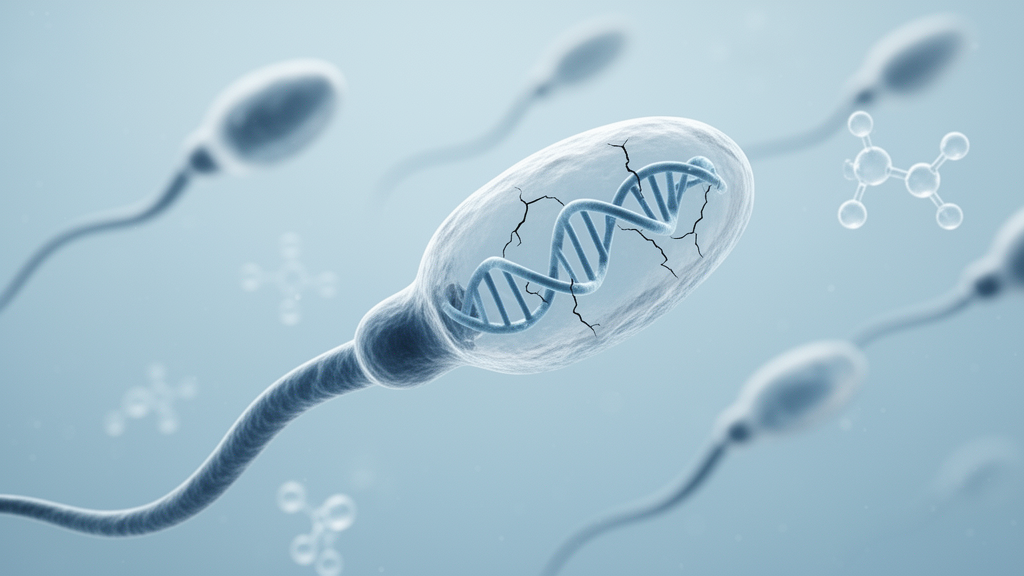
The review explains that cytotoxic chemotherapeutic agents primarily target rapidly dividing cells, which makes male germ cells particularly vulnerable because they undergo continuous proliferation. These agents can compromise the DNA integrity of germ cells, thereby adversely affecting sperm quality. Damage to sperm chromatin is associated with reduced motility, increased morphological abnormalities and decreased fertility potential, meaning that even men who retain some sperm production after treatment may face impaired reproductive outcomes.
The authors note that the context for these concerns has changed as cancer care has improved. With the current success of cancer therapies, life expectancy has significantly increased among cancer patients, and the majority now desire fertility after treatment. Following chemotherapy, many young men require assisted reproductive technologies to achieve fatherhood. Fertility preservation prior to cancer therapy provides an opportunity for patients to have genetically related offspring, even if their sperm is subsequently damaged by treatment.
A distinctive feature of the review is its emphasis on the comparatively underexplored reproductive toxicology of newer treatment classes. Beyond conventional cytotoxic drugs, the authors examine tyrosine kinase inhibitors, immune checkpoint inhibitors and androgen receptor pathway inhibitors, along with the genotoxic and epigenetic effects of these emerging targeted and immunologic agents on male germ cells and sperm DNA integrity.
The work is a review article rather than a new clinical study, and its findings are based on a comprehensive literature search of PubMed, Scopus and Web of Science covering January 2000 to December 2025, with prioritization of studies published between 2010 and 2025. The authors frame infertility as a serious concern for young male patients of reproductive age undergoing chemotherapy, which commonly disrupts fertility either temporarily or permanently. For patients and clinicians, the review underscores that discussions about sperm banking and other preservation options are most useful before cancer therapy starts, when germ cells have not yet been exposed to genotoxic treatment.
Subject of Research: Genotoxic effects of chemotherapy on sperm DNA and male germ cell integrity
Article Title: Chemotherapy and male fertility: genotoxic effects on sperm DNA and germ cell integrity
Article References: Salimnejad, R., Astaraki, P., & Rajabzadeh, O. (2026). Chemotherapy and male fertility: genotoxic effects on sperm DNA and germ cell integrity. Contraception and Reproductive Medicine. https://doi.org/10.1186/s40834-026-00475-7
Image Credits: AI Generated
DOI: 10.1186/s40834-026-00475-7
Keywords: chemotherapy, male fertility, sperm DNA damage, germ cells, fertility preservation, assisted reproductive technology, tyrosine kinase inhibitors, immune checkpoint inhibitors, androgen receptor pathway inhibitors, epigenetics, reproductive toxicology, review
News Source: Nathaniel Bowman. (October 29, 2026). Chemotherapy’s hidden toll on sperm DNA comes under review. Scienmag.