Deep inside the brain, two powerful systems are constantly talking to each other. One is the network of neurotransmitters, the chemical messengers that shape our emotions, thoughts, movements, and memories. The other is the innate immune machinery, and at its center sits a molecular complex called the NLRP3 inflammasome, a multi-protein sensor that can ignite fierce inflammatory responses. A new narrative review published in Molecular Biology Reports by a team at Tehran University of Medical Sciences pulls together the scattered evidence on how these two systems influence one another, and the picture that emerges is anything but simple. Rather than a single rule governing their relationship, the researchers found that the outcome of neurotransmitter-inflammasome crosstalk depends on which transmitter is involved, which receptor subtype is engaged, which cell type is listening, and what disease process is underway.
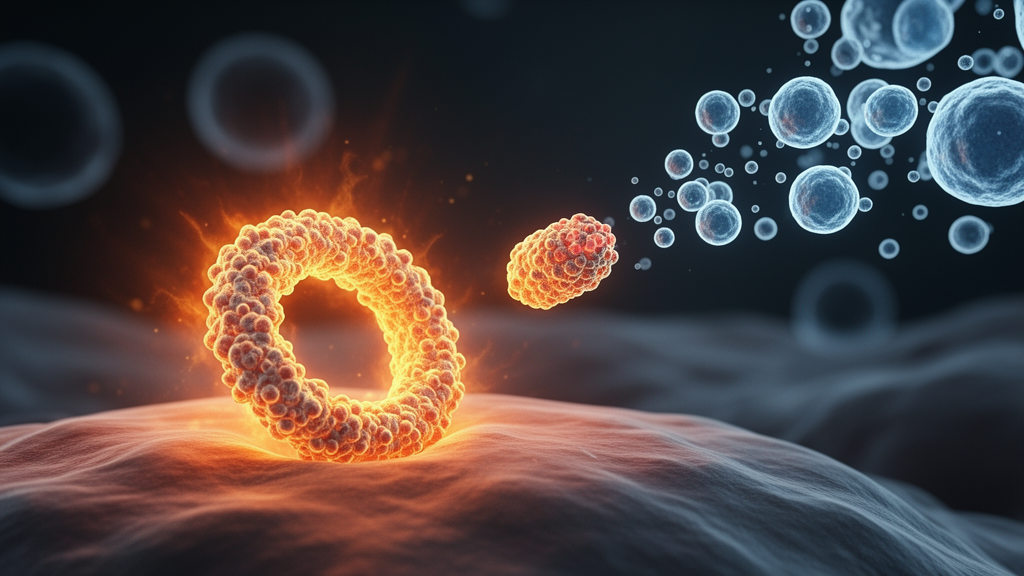
To understand why this matters, it helps to know what the NLRP3 inflammasome actually does. It is a danger-sensing platform assembled from the NLRP3 protein, the adaptor ASC, and the enzyme caspase-1. When triggered by pathogens, cellular stress, or damaged molecules, the complex activates caspase-1, which in turn processes the inflammatory cytokines interleukin-1 beta and interleukin-18 and drives a fiery form of cell death called pyroptosis, mediated by the protein gasdermin-D. In the central nervous system, this machinery operates mainly in microglia and astrocytes, the resident immune and support cells of the brain. When NLRP3 activation becomes chronic, it contributes to neuroinflammation, a process increasingly implicated in depression, Alzheimer’s disease, Parkinson’s disease, stroke, spinal cord injury, and cognitive decline. Because neurotransmitter dysregulation often coexists with chronic inflammasome activation in these same disorders, the two systems are natural partners in pathology.
Dopamine has emerged as one of the most intensively studied players in this dialogue, and its story is full of surprises. A landmark study published in Cell in 2015 showed that dopamine can control systemic inflammation by inhibiting the NLRP3 inflammasome, suggesting the reward chemical doubles as an immune brake. Subsequent work has refined this idea: activation of the dopamine D1 receptor reduced NLRP3-mediated inflammation in models of intracerebral hemorrhage and spinal cord injury, while D2 receptor signaling restricted inflammasome activation in astrocytes by enhancing the interaction between beta-arrestin2 and NLRP3. Research on Parkinson’s disease has further shown that dopamine signaling modulates microglial NLRP3 activation, and the dopamine agonist pramipexole improved depression-like behavior in diabetic rats by suppressing NLRP3-driven neuroinflammation. Yet the review emphasizes that dopamine’s effects can be biphasic, meaning the same transmitter can either dampen or amplify neuroinflammation depending on experimental conditions, receptor context, and disease state, a caution that applies broadly across the field.
Norepinephrine and the adrenergic system add another layer of complexity. Different adrenergic receptor subtypes can push neuroinflammation in opposite directions, as demonstrated in a study of alpha-synuclein-mediated neurotoxicity where beta-2 and beta-1 adrenergic signaling had opposing effects on dopaminergic neuron survival. In Alzheimer’s disease models, modulating the neuronal alpha1-adrenergic receptor reduced tau pathology and neuroinflammation by inhibiting the STING/NF-kappaB/NLRP3 signaling cascade. Meanwhile, the beta2-adrenoceptor agonist formoterol attenuated NLRP3 activation and gasdermin-D-mediated pyroptosis in microglia by enhancing NF-kappaB inhibition, promoting selective autophagy, and supporting plasma membrane repair. These findings illustrate a recurring theme of the review: receptor subtype identity, not just transmitter identity, determines whether the immune response is fueled or extinguished.
The cholinergic system offers some of the most therapeutically attractive connections. Activating the alpha7 nicotinic acetylcholine receptor inhibits the NLRP3 inflammasome through regulation of beta-arrestin-1, a mechanism that has been exploited in models of stroke, spinal cord injury, and postoperative cognitive dysfunction. Vagus nerve stimulation, which taps into the cholinergic anti-inflammatory pathway, has been shown to protect the ischemic brain by inactivating microglial NLRP3 through alpha7 receptor signaling. Even melatonin appears to reduce inflammasome activation by boosting alpha7-mediated autophagic flux. On the muscarinic side, activating muscarinic acetylcholine receptors protects against neuroinflammation by attenuating microglial responses, and the Alzheimer’s drug donepezil regulates neuroinflammation through MAPK/NLRP3/STAT3 signaling. A histamine H1 receptor-selective agonist, notably, inhibited NLRP3/caspase-1-mediated pyroptosis of astrocytes induced by antipsychotic drugs, extending the anti-inflammatory theme to the histaminergic system.
Amino acid transmitters reveal how deeply inflammasome signaling penetrates synaptic function. Glutamate, the brain’s principal excitatory transmitter, sits at the heart of several feedback loops. Caspase-1 gene deficiency conferred resilience to chronic social defeat stress by stabilizing surface AMPA receptors, while ketamine’s rapid antidepressant effects may involve suppressing the NLRP3 inflammasome to upregulate AMPA receptors. Conversely, inflammasome-driven interleukin-1 beta release regulates NMDA receptor phosphorylation and contributes to postoperative hyperalgesia, age-related cognitive impairment, and secondary damage after intracerebral hemorrhage. In microglia, the NLRP3 inflammasome regulates repetitive behavior by modulating NMDA receptor function. On the inhibitory side, GABA signaling shows equally context-dependent effects: NLRP3-GABA signaling contributes to impulsive behaviors and cognitive deficits in aged mice, GABA(B) receptor activation attenuates neuronal pyroptosis after cardiac arrest, and GABA(B) modulation of NF-kappaB/NLRP3 pathways underlies the antidepressant effects of electroacupuncture in stressed rats. Glycine, the smallest anti-inflammatory micronutrient, adds yet another inhibitory angle, with macrophage glycine transporters shaping interleukin-1 beta production through the AKT1/mTOR/NLRP3 pathway.
The endocannabinoid and purinergic systems round out the cast with striking mechanistic clarity. Cannabidiol prevents LPS-induced inflammation in microglia by inhibiting the NLRP3 inflammasome via CB2 receptors and PPAR-gamma, while CB2 receptor activation promotes autophagy-mediated degradation of the inflammasome after spinal cord injury and suppresses microglial NLRP3 activation during alcohol withdrawal. In contrast, the purinergic P2X7 receptor acts as a well-established trigger of NLRP3 assembly, mediating inflammasome activation in depression, diabetes, chronic stress, spinal cord injury, and intracerebral hemorrhage, where P2X7R blockade prevents brain injury. P2X4 and P2Y receptor subtypes similarly feed into NLRP3-dependent pyroptosis in perioperative neurocognitive disorders and hemorrhagic brain injury, positioning extracellular ATP signaling as a major upstream alarm for the inflammasome.
One of the review’s most important conclusions concerns the direction of scientific traffic. Most available studies ask how neurotransmitters regulate the priming or activation of NLRP3, but far less is known about the reverse: how inflammasome signaling reshapes neurotransmitter release, receptor expression, and synaptic plasticity. The evidence that does exist, from inflammasome effects on AMPA and NMDA receptor trafficking to glutamatergic changes in corticostriatal circuits of NLRP3-deficient mice, suggests this backward arrow is real and behaviorally consequential. Filling this gap could reframe how scientists think about disorders where inflammation and neurotransmitter imbalance reinforce each other, from major depression to neurodegeneration, and could explain why anti-inflammatory interventions sometimes produce cognitive and mood benefits that classic transmitter-focused theories struggle to account for.
For the researchers and clinicians watching this field, the message is one of cautious optimism. The crosstalk between neurotransmitters and the NLRP3 inflammasome offers a wealth of potential drug targets, from alpha7 nicotinic receptors and D1 agonists to CB2 modulators and P2X7 antagonists, several of which have already shown benefit in animal models of stroke, spinal cord injury, depression, and neurodegenerative disease. But the review’s authors are explicit that no single, uniform pattern governs these interactions, and that dual, context-specific actions, exemplified by the biphasic effects of dopamine and L-DOPA on neuroinflammation, demand mechanistically oriented, disease-specific, and carefully interpreted studies. They also call for systematic investigation of less-studied transmitters and receptor subtypes, which may uncover hidden regulatory nodes within the NLRP3 network. As neuroimmunology matures, understanding how the brain’s chemical language and its inflammatory machinery converse in both directions may prove essential to treating the neurological and psychiatric disorders that currently resist conventional approaches.
Subject of Research: Crosstalk between neurotransmitter signaling and the NLRP3 inflammasome pathway in neuroinflammation and central nervous system disorders
Article Title: Crosstalk between neurotransmitters and NLRP3 inflammasome pathway: A narrative review
Article References: Esmaeil-Jamaat, E., Amini, M., Ghaderpour, S., Zahedi, E., Farahmandfar, M., & Hassanzadeh, G. (2026). Crosstalk between neurotransmitters and NLRP3 inflammasome pathway: A narrative review. Molecular Biology Reports, 53(1), Article 1609. https://doi.org/10.1007/s11033-026-12797-5
Image Credits: AI Generated
DOI: 10.1007/s11033-026-12797-5
Keywords: NLRP3 inflammasome, neurotransmitters, neuroinflammation, dopamine, microglia, pyroptosis, GABA, glutamate, acetylcholine, cannabinoid receptors, P2X7 receptor, neurodegenerative disease
News Source: Cassandra Pierce. (October 14, 2026). Brain Chemistry Meets Immune Fire: How Neurotransmitters Steer the NLRP3 Inflammasome. Scienmag.