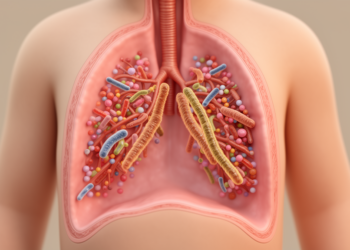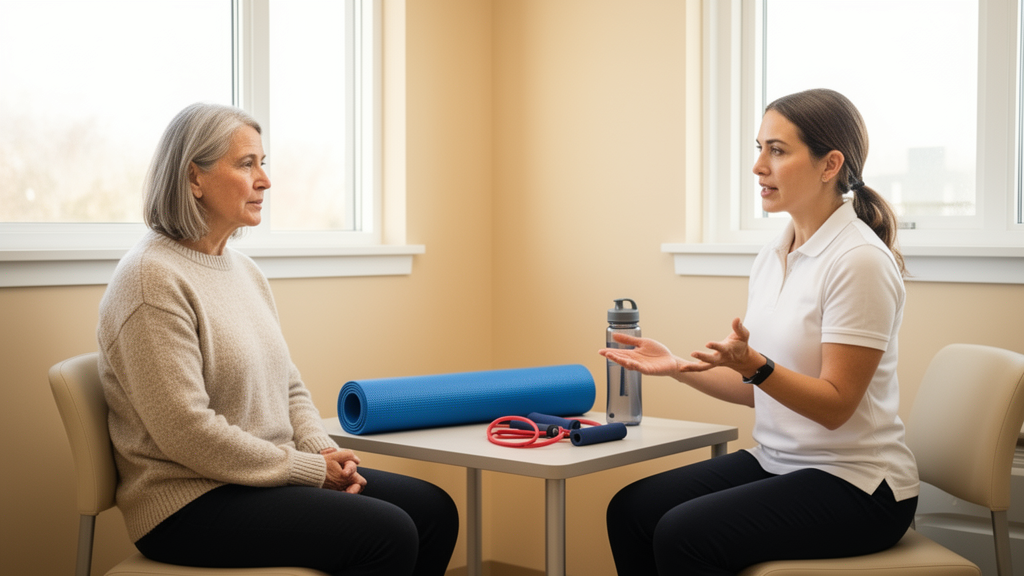
When people with lung or head and neck cancer arrive at the threshold of treatment, most of them know remarkably little about what lies ahead — and even less about the one intervention that could soften the blow. A qualitative study published in Supportive Care in Cancer interviewed 14 patients in the week before they began radiotherapy, chemotherapy, or both, and found that only two of them knew that physical exercise was even possible during cancer treatment. The study, conducted with patients at an oncology reference center in Presidente Prudente, Brazil, set out to answer a question that had not been directly examined before: what do patients actually know about their disease, their prescribed therapies, the symptoms they should expect, and the role of exercise as an adjunct treatment — before any of it begins?
Most research on patient perceptions has been conducted after treatment has started, leaving a gap at precisely the moment when education and preparation, often called prehabilitation, could have the greatest effect. The participants, whose median age was 66 years, were mostly men (71 percent) and mostly diagnosed with head and neck cancer (57 percent), with the remainder having primary lung cancer. Nearly two-thirds had been prescribed a combination of chemotherapy and radiotherapy, and only four reported any prior experience with physical exercise.
Each participant took part in a semi-structured interview of roughly 40 minutes, conducted in person or by video call, recorded and transcribed verbatim. Data collection continued until thematic saturation was reached after 11 interviews, with three additional interviews confirming that no new themes were emerging. The analysis followed the six-phase thematic approach of Braun and Clarke, with three researchers coding independently and resolving discrepancies by consensus, and ten percent of transcripts reviewed by the participants themselves to validate the themes.
Five overarching themes emerged from the interviews, along with 13 subthemes. The first concerned general knowledge, and here the picture was sobering. Only one participant demonstrated a detailed understanding of cancer; the others showed limited knowledge of the disease, how it develops, and even the stage they themselves had reached. Most of what participants knew came not from clinical consultations but from watching relatives or acquaintances go through cancer. They were generally aware of which therapy had been prescribed, yet a lack of understanding about how the treatment procedures are actually carried out predominated. Their grasp of expected symptoms varied, though most could list several and expressed the hope that these would not leave them severely debilitated.
The second theme captured expectations during treatment. Participants believed the therapy would be beneficial even while recognizing it would be challenging, and faith emerged repeatedly as a source of hope and confidence in a positive outcome. All participants expressed trust in the medical and multidisciplinary team, even when uncertain about the specific roles those professionals would play. At the same time, most were already living with cancer-related symptoms and anticipated that therapy could make them worse, with concerns centering on nutritional problems and physical weakness, and on the likelihood that symptoms would interfere with daily routines and limit their usual activities.
Perceptions about physical exercise formed the third theme, and it is here that the study’s central finding stands out. Eight of the 14 participants were uncertain whether exercising while having cancer was feasible at all, an uncertainty tied to their expectation of physical debilitation during treatment. Six believed it would be possible, and the remainder considered it unfeasible. When asked directly whether they would join an exercise program if it were recommended, only two declined — both because they believed they would be physically unable — while the rest said they would take part with the intention of healing, improving, or following the professional team’s guidance. Eleven participants described positive expected effects on physical function, using terms such as to strengthen, to avoid muscle atrophy, and to be more active, and the same eleven also anticipated emotional benefits, saying exercise would help the mind by providing motivation and vitality.
Yet three worried that exercise might worsen symptoms they already had — gastrointestinal discomfort, fatigue, pain, and cough — and one believed it could interfere negatively with the oncological treatment itself. What the exercise would actually look like remained largely a mystery. Twelve participants assumed the activities would probably consist of light exercises, with type and intensity depending on their physical condition, and only two could name specific modalities such as dance, treadmill walking, balance exercises, or stretching. Two said they had no idea what cancer-related exercise might involve. This uncertainty about the nature and intensity of exercise programs, the authors note, coexisted with a clear willingness to participate — a combination that suggests the barrier is informational rather than motivational.
The remaining themes mapped the social and emotional landscape surrounding the diagnosis. On support, participants unanimously identified the physician as the primary professional in their cancer care, followed by the dentist, psychologist, nutritionist, and nurse; the physiotherapist was mentioned by only one participant, despite exercise-based rehabilitation being squarely within that profession’s remit. All participants identified their families as a source of support in attending appointments, understanding their condition, and providing emotional and physical help. On the diagnosis itself, every participant reported that receiving it had changed personal or family routines in some way, and six said their diagnoses had been delayed by previous medical errors — with one participant observing that sometimes the population does not have all that time to wait.
Exercise is widely recognized as a non-pharmacological strategy that mitigates treatment-related symptoms, improves functional capacity, and enhances quality of life in people living with and beyond cancer, and prehabilitation before therapy aims to improve adherence to and tolerance of oncological treatments while preserving function. Comparable research cited in the paper found that only 22 percent of women who had completed treatment for breast cancer were familiar with recommended exercises for that population, and a survey of thoracic surgeons found that a third were uncertain which professional should receive referrals for exercise-based interventions, reducing referral rates for structured programs. Sedentary behavior among patients is reinforced not only by symptoms but by limiting beliefs that they are incapable of exercise, beliefs that clear communication could counter.
The study’s limitations are worth keeping in view. It involved a small sample at a single Brazilian center serving 45 municipalities, focused on just two cancer types, and did not use validated instruments to assess participants’ educational level or health literacy — factors the authors acknowledge could shape both the knowledge gaps and the interview responses. The structure of Brazil’s healthcare system may also differ from that of other countries, although the authors suggest that limited patient knowledge about cancer and its management is likely a common issue worldwide. Even so, the core message is difficult to ignore: at the exact moment when patients could still prepare their bodies and minds for one of the most demanding journeys in medicine, most were navigating it with almost no information about the disease, the treatment, or the evidence-supported tool that could help them through it. The willingness to participate, once asked, was already there — what was missing was anyone telling them about it.
Subject of Research: Pretreatment knowledge of disease, therapies, and physical exercise among patients with lung or head and neck cancer
Article Title: “No… Nobody told me anything about that”: a qualitative study on pretreatment knowledge of individuals with lung or head and neck cancer regarding the disease, treatments, and physical exercise
Article References: Duarte, I., da Silva Souza, K. A., Moliterno, A. H., Borges, P., Pedroso, M., Grigoletto, I., & Ramos, E. M. C. (2026). “No… Nobody told me anything about that”: a qualitative study on pretreatment knowledge of individuals with lung or head and neck cancer regarding the disease, treatments, and physical exercise. Supportive Care in Cancer, 34(11), Article 1158. https://doi.org/10.1007/s00520-026-11407-1
Image Credits: AI Generated
DOI: 10.1007/s00520-026-11407-1
Keywords: lung cancer, head and neck cancer, physical exercise, prehabilitation, qualitative research, patient knowledge, thematic analysis, supportive care, health literacy, oncology rehabilitation, chemotherapy, radiotherapy
News Source: Nathaniel Bowman. (October 27, 2026). Before Treatment Begins, Lung and Head and Neck Cancer Patients Know Little About Exercise. Scienmag.