Cinnamic acid, a natural phenolic compound found in plants, reduced signs of liver damage in mice that were given carbon tetrachloride, a well-established chemical inducer of liver injury, according to a new animal study published in Molecular Biology Reports. The researchers report that oral pretreatment with the compound improved liver enzyme levels, reduced inflammatory marker expression, and lessened tissue damage in the treated animals.
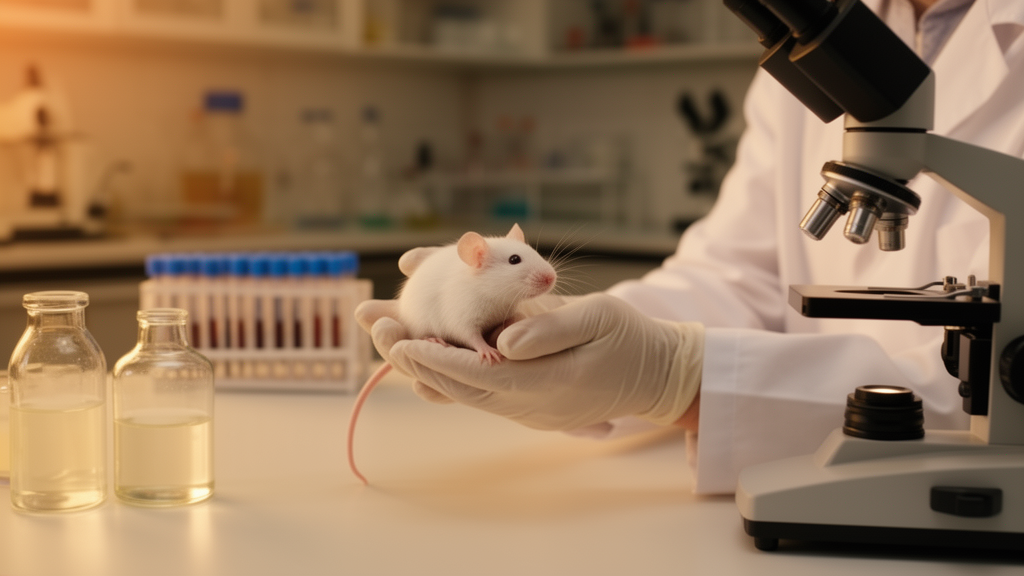
The study, led by Samira Nomiri and colleagues, involved thirty NMRI mice randomly divided into five groups: a control group, a carbon tetrachloride group, and three groups that received cinnamic acid at doses of 50, 100, and 200 milligrams per kilogram. The compound was administered orally for seven days before the mice were injected with carbon tetrachloride, allowing the researchers to test whether pretreatment could buffer the liver against the incoming toxic insult.
Exposure to carbon tetrachloride markedly elevated hepatic enzymes, bilirubin, urea, and C-reactive protein levels in the blood, while reducing albumin and total protein concentrations. These shifts are consistent with the pattern of liver damage that this chemical is known to produce in experimental models, and they provided the baseline against which the protective effects of cinnamic acid were measured.
Pretreatment with cinnamic acid improved several of these biochemical parameters, with the effect most pronounced at the higher doses of 100 and 200 milligrams per kilogram. The lower dose of 50 milligrams per kilogram showed weaker effects across the measured outcomes, suggesting a dose-dependent pattern in the response.
The researchers also examined molecular signaling in the liver. They measured gene expression levels of Nrf2 and Foxo3, two factors associated with antioxidant-related signaling pathways, as well as the inflammatory mediators IL-6 and TNF-α. Higher doses of cinnamic acid upregulated Nrf2 and Foxo3 expression and downregulated IL-6 and TNF-α expression, indicating activation of antioxidant pathways and reduced inflammatory marker expression in the treated mice.
One measure did not follow the same pattern: total antioxidant capacity in the serum was not significantly restored by cinnamic acid treatment, even though the gene expression changes pointed toward enhanced antioxidant signaling. The authors note this discrepancy, and it highlights that changes in the expression of antioxidant-related genes do not necessarily translate into measurable shifts in overall antioxidant capacity in the blood.
Histopathological analysis of liver tissue supported the biochemical findings. Microscopic examination showed reduced necrosis and inflammation in the mice that received cinnamic acid pretreatment, confirming at the tissue level what the blood tests and gene expression data had suggested.
Beyond the liver, the study recorded secondary favorable effects on renal biochemical markers, with improvements in parameters such as urea that had been disrupted by carbon tetrachloride-induced systemic toxicity. The authors frame these as secondary effects rather than a primary focus of the investigation, but they add a broader dimension to the compound’s apparent protective profile in this model.
The study was conducted exclusively in mice, and the authors are careful to describe the findings as supporting further investigation rather than establishing cinnamic acid as a treatment. The conclusion states that the compound may exert hepatoprotective effects against carbon tetrachloride-induced liver injury by modulating oxidative and inflammatory pathways, and that its association with increased Nrf2 and Foxo3 expression and reduced inflammatory mediator expression warrants continued study.
For readers following natural product research, the work adds to the attention that cinnamic acid has recently attracted for its antioxidant and anti-inflammatory properties and its potential protective effects on liver function. The findings remain at the preclinical stage, and any application to human liver disease would require further research beyond this mouse model.
Subject of Research: Hepatoprotective effects of cinnamic acid against carbon tetrachloride-induced liver injury in mice
Article Title: Hepatoprotective effects of cinnamic acid against carbon tetrachloride–induced liver injury in a mouse model
Article References: Nomiri, S., Taebi, R., Mohammadi, Y., Yousefi, T., Asgari, F., Yazdanimoghaddam, F., Mortazavi, N., & Amini, A. (2026). Hepatoprotective effects of cinnamic acid against carbon tetrachloride–induced liver injury in a mouse model. Molecular Biology Reports, 53(1), Article 1524. https://doi.org/10.1007/s11033-026-12643-8
Image Credits: AI Generated
DOI: 10.1007/s11033-026-12643-8
Keywords: cinnamic acid, liver injury, carbon tetrachloride, hepatoprotection, Nrf2, Foxo3, inflammation, oxidative stress, mouse model, Molecular Biology Reports, IL-6, TNF-alpha
News Source: Drew Townsend. (October 27, 2026). Cinnamic Acid Shows Liver Protection in Mice Given Toxic Chemical Challenge. Scienmag.