

• HOME
  • NEWS
  • EXPLORE
    • CAREER
      • Companies
      • Jobs
    • EVENTS
    • iGEM
      • News
      • Team
    • PHOTOS
    • VIDEO
    • WIKI
  • BLOG
  • COMMUNITY
    • FACEBOOK
    • INSTAGRAM
    • TWITTER
Friday, October 30, 2026
BIOENGINEER.ORG
No Result
View All Result
  • Login
  • HOME
  • NEWS
  • EXPLORE
    • CAREER
      • Companies
      • Jobs
        • Lecturer
        • PhD Studentship
        • Postdoc
        • Research Assistant
    • EVENTS
    • iGEM
      • News
      • Team
    • PHOTOS
    • VIDEO
    • WIKI
  • BLOG
  • COMMUNITY
    • FACEBOOK
    • INSTAGRAM
    • TWITTER
No Result
View All Result
Bioengineer.org
No Result
View All Result
Home NEWS Science News Cancer

Heat Shock Proteins Shape Cancer Growth and Treatment Resistance

by
October 28, 2026
in Cancer, Health
Reading Time: 2 mins read
0
Heat Shock Proteins Shape Cancer Growth and Treatment Resistance

Heat Shock Proteins Shape Cancer Growth and Treatment Resistance

Share on FacebookShare on TwitterShare on LinkedinShare on RedditShare on Telegram

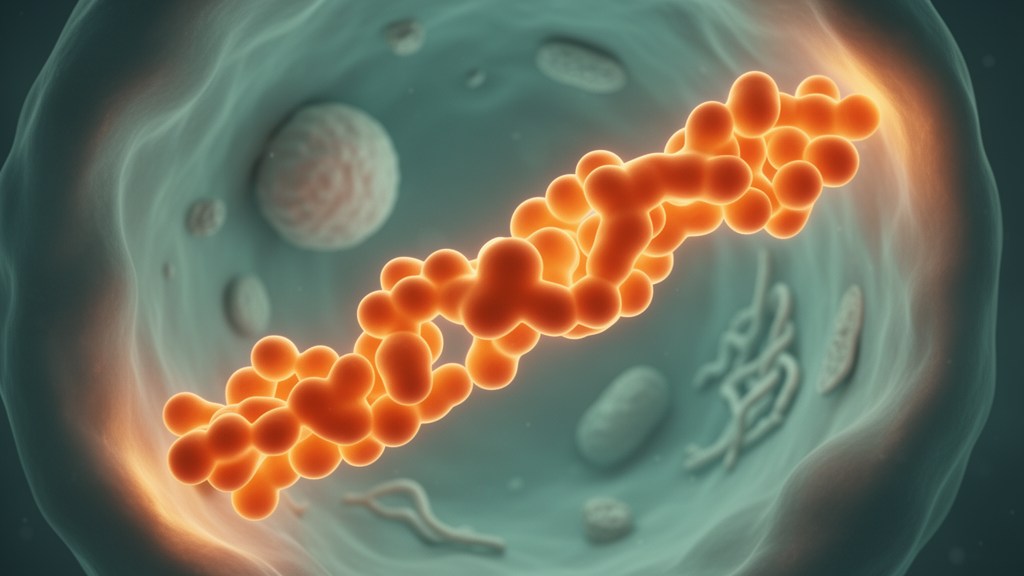
Heat shock proteins, a highly conserved family of molecular chaperones found in both eukaryotes and prokaryotes, are emerging as central players in cancer biology, according to a review published in Discover Oncology. Their expression is mostly induced by heat shock or other stressors, and based on molecular weight the family is divided into HSP110, HSP90, HSP70, HSP60, HSP40, and the small heat shock proteins. The review, authored by Yue Yu, Su Li, Hao-ran Fan, and Chen-chen Zhou, gathers recent literature on how these proteins regulate tumor behavior and how they might be exploited for diagnosis, tumor staging, and targeted drug design.

The authors report that heat shock proteins and exosomes carrying them are present in a variety of tumors and their surrounding microenvironments. Within that microenvironment, the review highlights three major contexts in which the proteins act: hypoxic conditions, immune components, and immunosuppressive components.

Beyond the microenvironment, the review assigns heat shock proteins significant roles in several hallmark processes of cancer. These include tumor proliferation, apoptosis, epithelial-mesenchymal transition, angiogenesis, metastasis, and immune escape.

A key point emphasized by the authors is the dual nature of these proteins. Heat shock proteins not only have inhibitory effects on tumors, but also promote the occurrence and development of tumor cells under specific conditions.

The review therefore treats heat shock proteins as context-dependent regulators rather than simple targets.

To that end, the article attempts to summarize patterns in the latest research reports based on the molecular characteristics and regulatory mechanisms of heat shock proteins. From this synthesis, the authors screen for members of the family with potential for diagnosis, accurate tumor staging, future targeted drug design, and development.

On the therapeutic side, the review positions heat shock proteins as candidates for future targeted drug design and development. The authors hope the synthesis will provide ideas for future research on related tumors and their clinical treatments. As an open access article published on 27 October 2026 and shared early to provide faster access to peer-reviewed, accepted research, the review is citable and carries a permanent DOI, though this version remains subject to further edits before the final Version of Record appears.

For researchers and clinicians, the message is that the heat shock protein family sits at a junction between tumor stress adaptation, immune regulation, and treatment resistance. Mapping which members promote or restrain malignancy in specific contexts, the review concludes, could open routes to better diagnostics and more precise anticancer drugs.

Subject of Research: The roles of heat shock proteins in tumor biology and their potential as targets for cancer diagnosis and therapy

Article Title: Functional roles of HSPs in cancer and their therapeutic potential in antitumor treatment

Article References: Yu, Y., Li, S., Fan, H.-R., & Zhou, C.-C. (2026). Functional roles of HSPs in cancer and their therapeutic potential in antitumor treatment. Discover Oncology. https://doi.org/10.1007/s12672-026-06225-0

Image Credits: AI Generated

DOI: 10.1007/s12672-026-06225-0

Keywords: heat shock proteins, HSP90, HSP70, tumor microenvironment, immune escape, epithelial-mesenchymal transition, angiogenesis, metastasis, exosomes, targeted therapy, cancer diagnostics, Discover Oncology

News Source: Nathaniel Bowman. (October 28, 2026). Heat Shock Proteins Shape Cancer Growth and Treatment Resistance. Scienmag.


Tags: angiogenesiscancer diagnosticsDiscover OncologyEpithelial-mesenchymal transitionExosomesheat shock proteinsHSP70Hsp90immune escapeMetastasistargeted therapytumor microenvironment
Share12Tweet7Share2ShareShareShare1

Related Posts

ZNF207 shields glutamine transporter ASCT2 from degradation to fuel liver cancer growth

ZNF207 shields glutamine transporter ASCT2 from degradation to fuel liver cancer growth

October 30, 2026
Most Ethiopian HIV patients on dolutegravir therapy show good knowledge, survey finds

Most Ethiopian HIV patients on dolutegravir therapy show good knowledge, survey finds

October 30, 2026

Serum and urine protein biomarkers may sharpen prostate cancer detection beyond PSA

October 30, 2026

One gene locus flags atrial fibrillation risk after major surgery, UK Biobank study finds

October 30, 2026

POPULAR NEWS

  • Microbial Sources and Stress Shape the Hidden Endophytes of an Invasive Plant

    Microbial Sources and Stress Shape the Hidden Endophytes of an Invasive Plant

    29 shares
    Share 12 Tweet 7
  • Firebreaks Leave Lasting Scars in Grasslands While Wildfire Heals Fast

    29 shares
    Share 12 Tweet 7
  • ZNF207 shields glutamine transporter ASCT2 from degradation to fuel liver cancer growth

    29 shares
    Share 12 Tweet 7
  • Systematic review maps sustainability tensions in offshore wind development

    29 shares
    Share 12 Tweet 7

About

We bring you the latest biotechnology news from best research centers and universities around the world. Check our website.

Follow us

Recent News

Microbial Sources and Stress Shape the Hidden Endophytes of an Invasive Plant

Firebreaks Leave Lasting Scars in Grasslands While Wildfire Heals Fast

ZNF207 shields glutamine transporter ASCT2 from degradation to fuel liver cancer growth

Subscribe to Blog via Email

Enter your email address to subscribe to this blog and receive notifications of new posts by email.

Join 86 other subscribers
  • Contact Us

Bioengineer.org © Copyright 2023 All Rights Reserved.

Welcome Back!

Login to your account below

Forgotten Password?

Retrieve your password

Please enter your username or email address to reset your password.

Log In
No Result
View All Result
  • Homepages
    • Home Page 1
    • Home Page 2
  • News
  • National
  • Business
  • Health
  • Lifestyle
  • Science

Bioengineer.org © Copyright 2023 All Rights Reserved.
