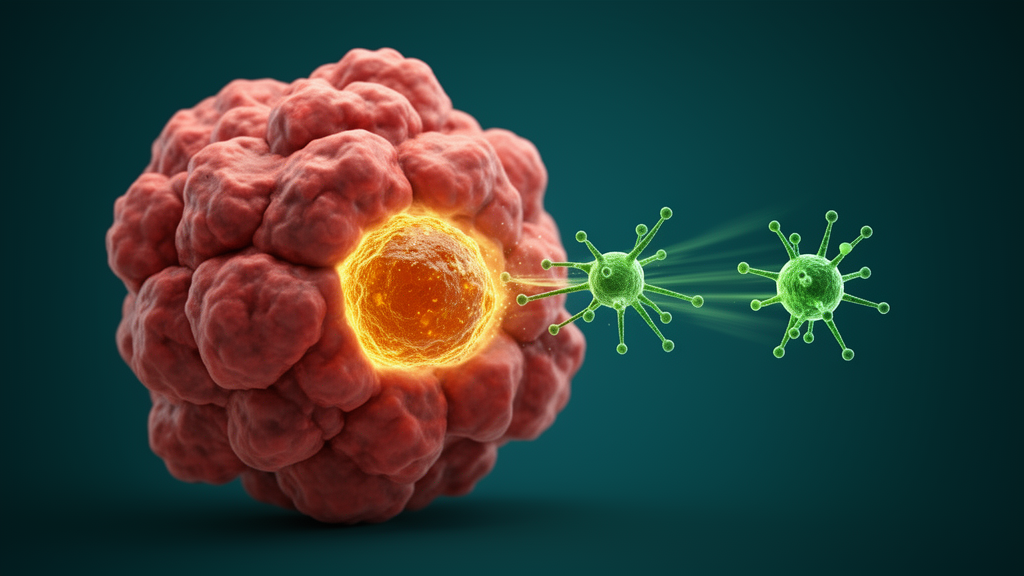
The study, published in Cell Communication and Signaling, combined multi-omics analyses with laboratory experiments to trace how the protein shapes the tumor’s surroundings.
Immune checkpoint blockade, particularly anti-PD-1 and anti-PD-L1 therapy, has become an important treatment option for bladder cancer. Yet a substantial proportion of patients fail to achieve durable clinical benefit because of primary or acquired resistance. Accumulating evidence indicates that an immunosuppressive, non-inflamed tumor microenvironment is a major determinant of resistance to immunotherapy, but the key tumor-intrinsic regulators that shape the immune landscape in bladder cancer have remained poorly defined.
To address this gap, the team performed integrated analyses using bulk RNA sequencing, single-cell RNA sequencing, and both publicly available and in-house bladder cancer cohorts. Bioinformatic methods were applied to assess immune cell infiltration, immune signaling pathways, and molecular subtypes. Functional validation followed in human and murine bladder cancer cell lines, using RNF128 knockdown and overexpression, chemotaxis assays, T cell–mediated cytotoxicity assays, and syngeneic mouse tumor models combined with anti-PD-1 therapy.
The analyses showed that RNF128 is highly expressed in bladder cancer and that elevated expression is associated with an immunosuppressive tumor microenvironment. Tumors with high RNF128 displayed reduced infiltration by CD8-positive T cells, the cytotoxic cells that can kill cancer cells, along with lower expression of T-cell-recruiting chemokines including CCL3, CCL4, CCL5, CXCL9, and CXCL10, and lower T cell–inflamed signature scores.
Single-cell sequencing added a layer of cellular resolution. RNF128 was found to be expressed predominantly in malignant urothelial cells, and its expression was associated with lower enrichment of cytokine- and chemokine-related transcriptional signatures. This pointed to the tumor cells themselves, rather than immune or stromal cells, as the principal source of the signal that correlates with the excluded immune infiltrate.
Functional experiments supported a causal role for the molecule in cell-line and animal settings. Manipulating RNF128 affected the recruitment of CD8-positive T cells and their cytotoxic activity. In a syngeneic mouse model, knocking down RNF128 enhanced the antitumor efficacy of PD-1 blockade, suggesting that reducing the protein can restore sensitivity to immunotherapy in that experimental context.
The clinical association pointed in the same direction. In independent immunotherapy cohorts that the researchers evaluated, lower RNF128 expression was associated with more favorable responses to immune checkpoint blockade and with improved survival outcomes. The authors caution that these are associations observed in the evaluated cohorts, and the study’s findings on treatment response come from mouse models and cohort analyses rather than from a prospective clinical trial.
Overall, the study concludes that RNF128 is associated with a non-inflamed immune microenvironment and reduced responsiveness to immune checkpoint blockade in bladder cancer, while the functional studies support a role for tumor-cell RNF128 in limiting CD8-positive T-cell recruitment and antitumor activity. The researchers propose that RNF128 may represent a candidate biomarker and a potential therapeutic target for improving immunotherapy response in bladder cancer, pending further validation.
The work was published as an open-access article on 23 October 2026 and is currently shared as a peer-reviewed, accepted manuscript that is citable and carries a permanent DOI, subject to further editorial edits before the final version of record appears.
Subject of Research: The role of tumor-intrinsic RNF128 in shaping a non-inflamed tumor microenvironment and immune checkpoint blockade resistance in bladder cancer.
Article Title: Tumor-intrinsic RNF128 drives a non-inflamed microenvironment and immune checkpoint blockade resistance in bladder cancer
Article References: Liu, Z., Liu, F., Li, R., Xiao, J., Liu, M., Chen, J., Long, J., Ren, W., Wang, Q., Wang, S., Shu, T., Xu, X., Wang, Z., Yi, Z., Zhang, C., & Zhu, Z. (2026). Tumor-intrinsic RNF128 drives a non-inflamed microenvironment and immune checkpoint blockade resistance in bladder cancer. Cell Communication and Signaling. https://doi.org/10.1186/s12964-026-03321-0
Image Credits: AI Generated
DOI: 10.1186/s12964-026-03321-0
Keywords: bladder cancer, RNF128, immune checkpoint blockade, PD-1, tumor microenvironment, CD8 T cells, chemokines, immunotherapy resistance, single-cell RNA sequencing, biomarker, Tumor-intrinsic, drives
News Source: Nathaniel Bowman. (October 28, 2026). Tumor Protein RNF128 Linked to Immune Resistance in Bladder Cancer. Scienmag.