Researchers have identified a novel three-gene expression signature involving specific synaptic receptors that defines glioblastoma (GBM) aggressiveness and correlates with significantly shorter overall survival in patients.
This study leverages the paradigm of cancer neuroscience, investigating how GBM cells exploit neural signaling pathways to drive malignancy. Given that GBM prognosis remains notoriously poor, characterized by near-universal recurrence and therapeutic resistance, this research sought to pinpoint the specific neurotransmitter receptors mediating the survival benefits observed when chlorpromazine (CPZ) is added to standard-of-care treatments. By utilizing large-scale transcriptomic screening of the TCGA and CGGA datasets, the team analyzed twelve genes encoding key pharmacological targets of CPZ, including nine neuro-active G protein-coupled receptors (GPCRs), two ionotropic glutamate receptors, and one metabolic enzyme.
The analysis led to the development of a robust three-gene prognostic signature comprising the receptors HRH1, ADRA2B, and CHRM3. These receptors were found to be significantly upregulated within GBM tissues and were strongly correlated with aggressive molecular features, specifically IDH1-wildtype status and unmethylated MGMT promoter status. To confirm these findings at the protein level, immunohistochemistry (IHC) was performed on tissue microarrays and independent institutional cohorts. The IHC results demonstrated intense cytoplasmic immunoreactivity in over 50% of tumor cells in aggressive cases, providing biological validation for the signature’s presence in clinical samples.
The clinical utility of this receptor-based signature was further established by observing that patients exhibiting elevated mRNA and protein expression of these three receptors consistently demonstrated significantly shorter overall survival rates. Beyond mere prognosis, the research provided functional context for this signature. Functional enrichment analyses, including GSEA and KEGG pathways, revealed that the elevated expression of HRH1, ADRA2B, and CHRM3 actively modulates several key malignant processes. Specifically, this signature was shown to influence epithelial-mesenchymal transition (EMT), promote angiogenesis, and facilitate immune evasion within the tumor microenvironment.
In conclusion, the identification of this novel, biologically grounded three-receptor prognostic signature at the neuron-tumor interface offers more than just a diagnostic tool. It provides a clear and actionable framework for targeted drug repurposing strategies. By disrupting the oncogenic communication between the nervous system and the GBM cells through these specific receptor vulnerabilities, this study presents a potential therapeutic avenue designed to improve patient outcomes in this highly resistant brain cancer.
Subject of Research: Identification of a synaptic receptor-based prognostic signature defining glioblastoma aggressiveness.
Article Title: A synaptic receptor-based expression signature defines glioblastoma aggressiveness: implications for neural-tumor communication and targetable vulnerabilities
Article References: Gesualdi, L., Sacconi, A., Di Maio, A., Fanelli, G., Di Pietro, E., Carosi, M., Novello, M., Americi, G., Villani, V., Pace, A., Paggi, M. G., & Abbruzzese, C. (2026). A synaptic receptor-based expression signature defines glioblastoma aggressiveness: implications for neural-tumor communication and targetable vulnerabilities. Journal of Translational Medicine. https://doi.org/10.1186/s12967-026-09143-5
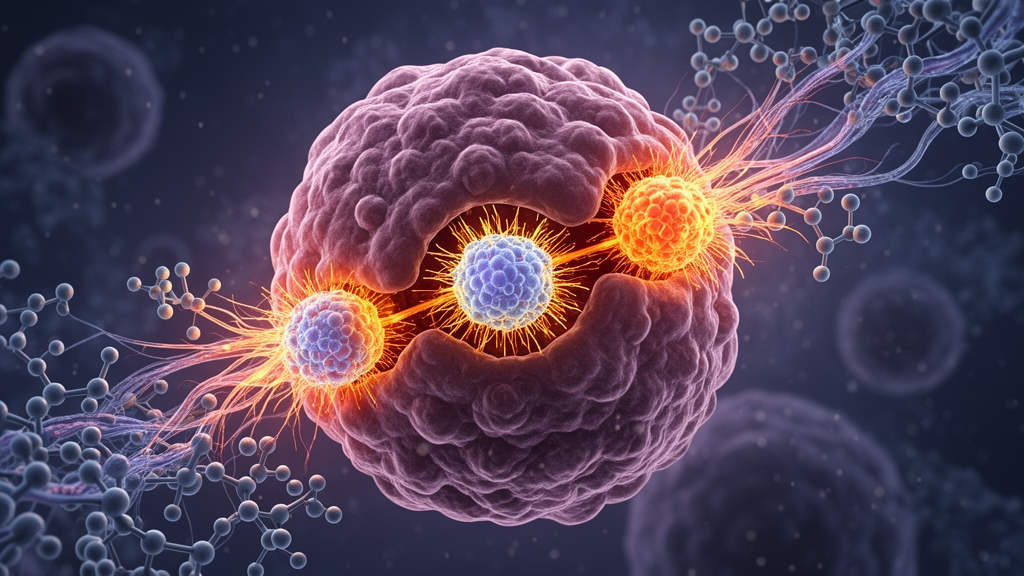
Image Credits: AI Generated
DOI: 10.1186/s12967-026-09143-5
Keywords: Glioblastoma, Cancer Neuroscience, Synaptic Receptors, Prognostic Signature, Targeted Therapy, Neurotransmitter Receptors, Glioma, Oncology, synaptic, receptor-based, expression, signature
News Source: Nathaniel Bowman. (October 27, 2026). Three Synaptic Receptors Define Aggressiveness in Glioblastoma. Scienmag.