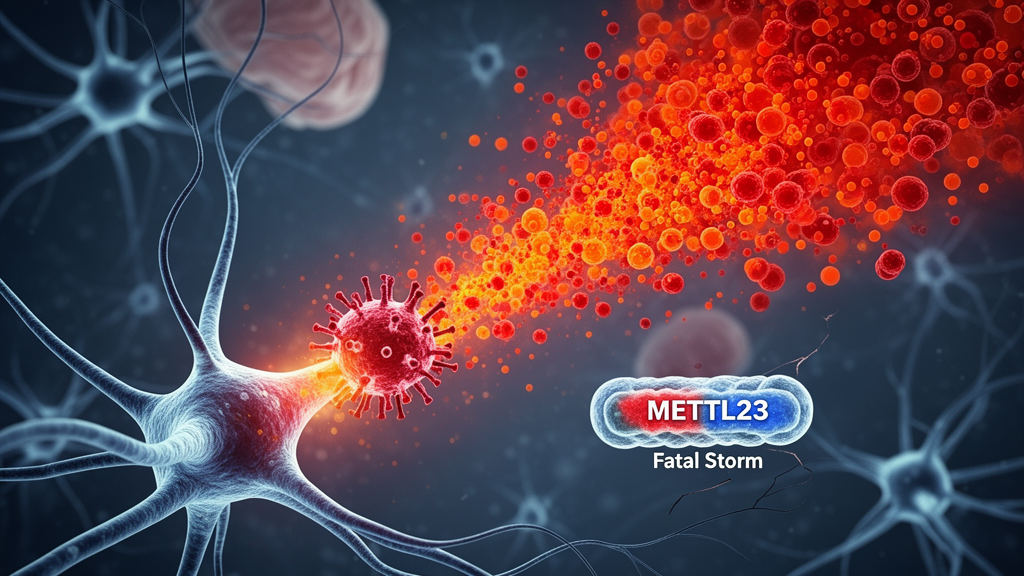
METTL23 is a rare gene that encodes a lysine/arginine methyltransferase, and it is associated with autosomal recessive intellectual disability (MIM 615942). Historically, published cases of METTL23-related disorder have been limited to neurodevelopmental phenotypes. However, recent mechanistic research has begun to implicate METTL23 in broader cellular processes, including histone H3R17 methylation and the negative regulation of NF-κB–mediated proinflammatory signaling. This established role in restraining NF-κB–driven cytokine production provides a biological framework for understanding the potential systemic complications of this disorder. This case report details the long-term follow-up and fatal outcome of a Chinese girl with a novel homozygous METTL23 splice variant (c.322+1del), extending the phenotypic spectrum of METTL23-related disorder beyond its initial classification as a purely neurodevelopmental impairment.
The patient was initially diagnosed with the neurodevelopmental phenotype associated with the homozygous METTL23 variant. Over a comprehensive three-year follow-up period, the patient’s clinical course revealed several systemic health issues. During this time, she experienced three episodes of autoimmune hemolytic anemia. Additionally, she was diagnosed with a secundum atrial septal defect, a congenital heart condition that required treatment via percutaneous closure.
The most critical phase of the patient’s illness occurred at the age of four years and six months. She was admitted with symptoms of fever and cyanosis, which rapidly progressed into an Epstein–Barr virus-associated cytokine storm. This acute inflammatory crisis exhibited features that overlapped with, but did not fulfill, the stringent criteria defined for Hemophagocytic Lymphohistiocytosis (HLH-2004). Clinically, this severe episode was managed as septic multi-organ dysfunction. The underlying mechanism is hypothesized to involve the loss of METTL23’s inhibitory function on the NF-κB pathway, leading to dysregulated inflammatory responses upon viral triggers.
The systemic impact of this cytokine storm was severe and multifaceted. The patient’s illness was complicated by acute kidney injury, which necessitated three sessions of continuous renal replacement therapy. Concurrently, she developed myocarditis, indicating inflammation and damage to the heart muscle, and suffered a methicillin-resistant Staphylococcus aureus superinfection. Despite intensive multidisciplinary treatment from specialists, the disease progressed to a terminal stage. The illness culminated in multifocal intracranial hemorrhage with herniation, leading the family to elect to discontinue life-sustaining care. The patient died shortly thereafter.
This case report significantly extends the known phenotypic spectrum of METTL23-related disorder. By documenting the progression from intellectual disability to recurrent autoimmune cytopenia and ultimately to a fatal virus-triggered cytokine storm, the findings provide evidence that the disorder’s pathology is not confined to the central nervous system or hematological systems. Given the reported role of METTL23 in restraining NF-κB–driven cytokine production, the researchers hypothesize that loss-of-function variants may confer susceptibility to dysregulated inflammatory responses upon viral triggers, independent of whether formal HLH criteria are met.
The biological significance of this case lies in the molecular function of METTL23. As a lysine/arginine methyltransferase, its function involves epigenetic regulation, specifically histone H3R17 methylation. Crucially, its role in negatively regulating the NF-κB pathway suggests that METTL23 acts as a molecular brake on the immune system’s inflammatory response. In a patient with a loss-of-function variant in METTL23, this regulatory mechanism is compromised, potentially allowing for an unchecked, systemic inflammatory cascade when the body encounters a potent viral trigger.
The clinical implications of this case are substantial, moving the understanding of METTL23-related disorder toward a condition requiring vigilant, long-term, and highly specialized medical surveillance. The hypothesis put forth by the authors suggests that even if a patient does not meet all the predefined criteria for a syndrome like HLH, the underlying genetic predisposition to uncontrolled inflammation warrants extreme caution and proactive monitoring for infection-triggered hyperinflammation. Therefore, the authors suggest that long-term multidisciplinary surveillance is warranted for patients diagnosed with METTL23-related disorder.
Subject of Research: The systemic manifestations of METTL23-related disorder, including fatal cytokine storms and autoimmune hemolytic anemia, are linked to the loss of negative regulation of NF-κB signaling.
Article Title: Case Report: From intellectual disability to fatal cytokine storm: long-term follow-up reveals a novel systemic phenotype in METTL23-related disorder
Article References: Zhan, Y., Zha, J., Chen, H., & Chen, Y. (2026). Case Report: From intellectual disability to fatal cytokine storm: long-term follow-up reveals a novel systemic phenotype in METTL23-related disorder. Frontiers in Pediatrics, 14, Article 1991266. https://doi.org/10.3389/fped.2026.1991266
Image Credits: AI Generated
DOI: 10.3389/fped.2026.1991266
Keywords: METTL23, Cytokine Storm, Autoimmune Hemolytic Anemia, Intellectual Disability, NF-κB Pathway, Pediatric Case Report, Autoimmunity, Viral Infection, Genetic Disorders, Case, Report, intellectual
News Source: Kristina Jarvis. (October 27, 2026). METTL23 Deficiency Links Intellectual Disability to Fatal Viral Cytokine Storm. Scienmag.