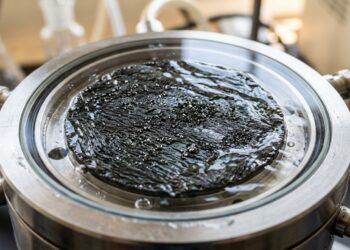
MXene-sulfide composite breaks down tetracycline under visible light and survives repeated reuse
A ternary Ti3C2Tx/Bi2S3@MoS2 photocatalyst removed 81.5 percent of tetracycline under visible light and retained nearly 70 percent after five cycles.
A ternary Ti3C2Tx/Bi2S3@MoS2 photocatalyst removed 81.5 percent of tetracycline under visible light and retained nearly 70 percent after five cycles.
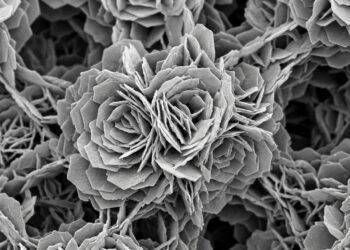
A review in Advanced Composites and Hybrid Materials analyzes how structural and morphological modifications enhance layered double hydroxide composites for ...
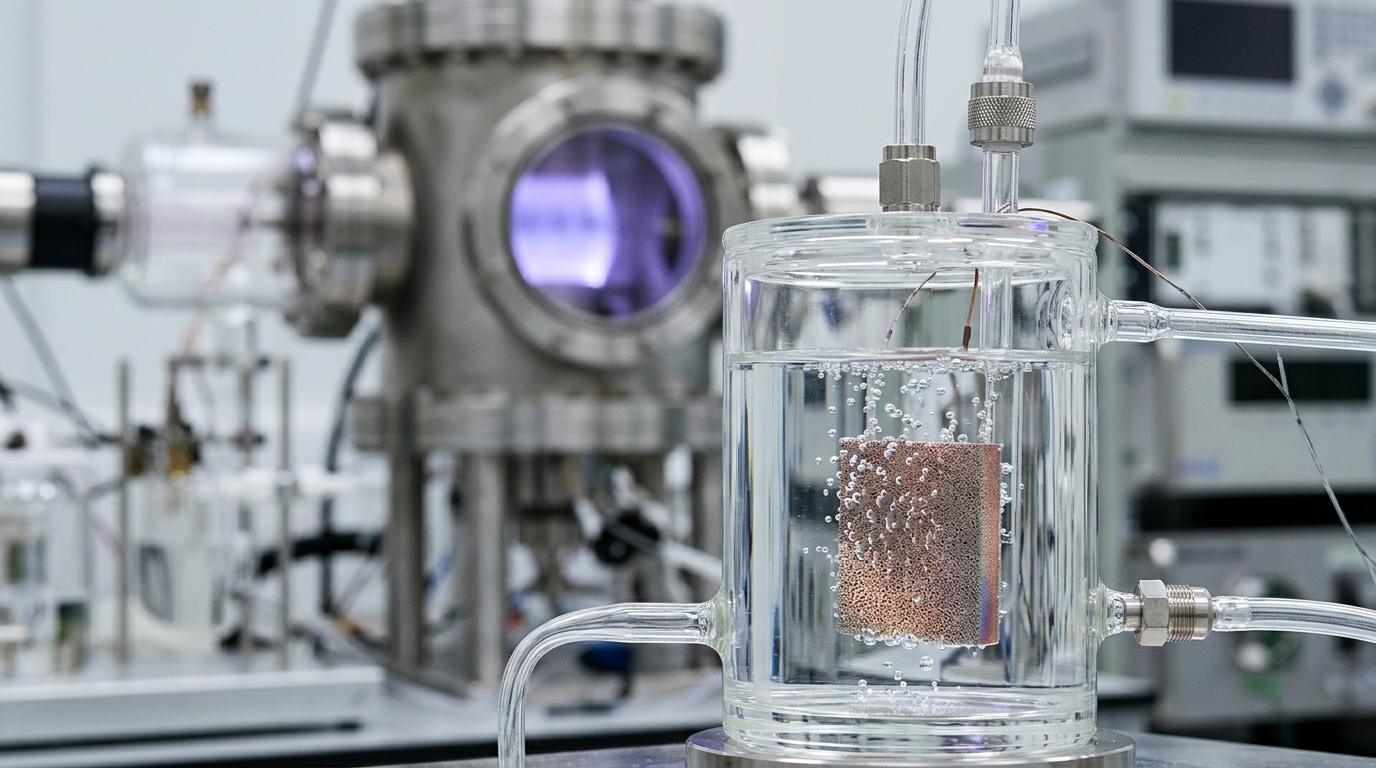
A one-step plasma method anchors copper single atoms on nitrogen-doped TiO2, achieving a hydrogen evolution rate of 7.82 mmol per ...
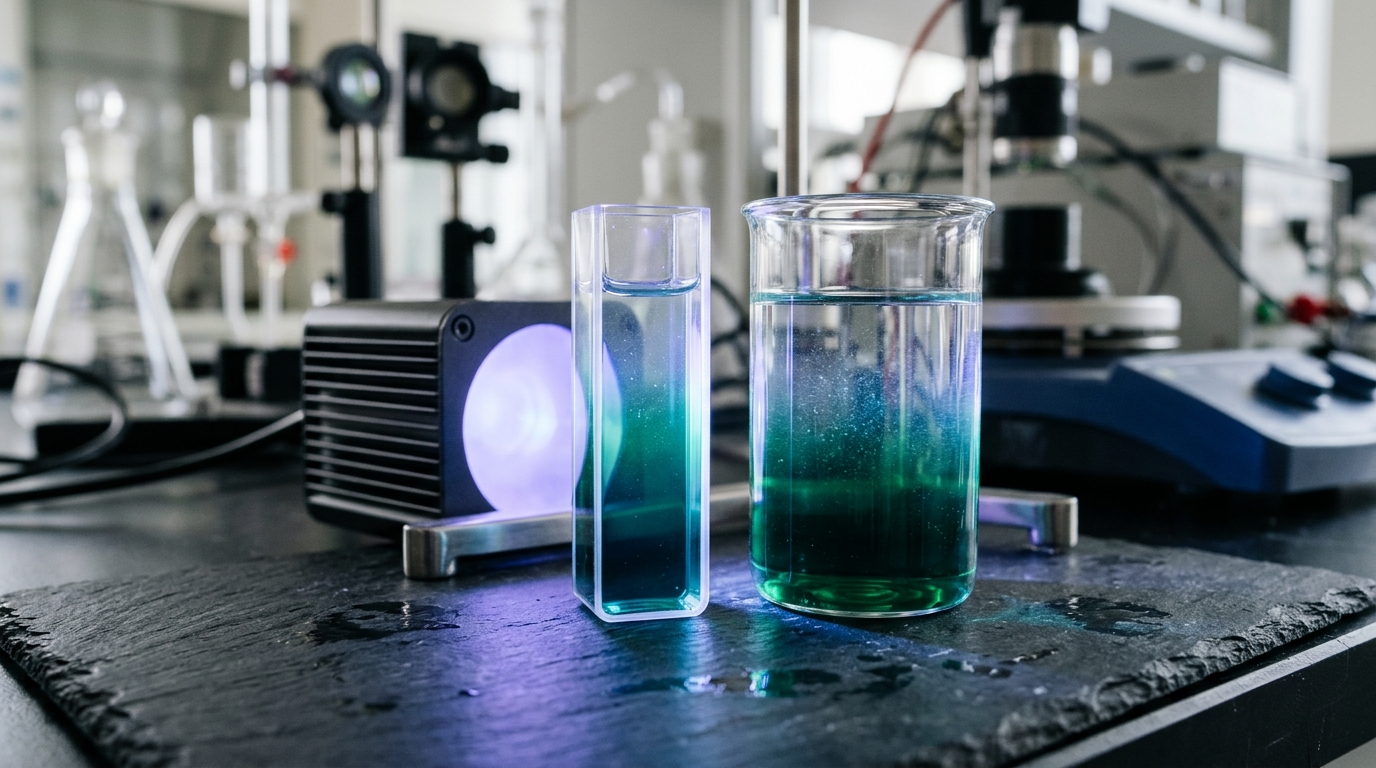
A triple-layered ZnO-SiO2@Ag nanohybrid achieved almost 98 percent degradation of methylene blue and 97 percent of malachite green under UV ...
A mesoporous hollow g-C3N5 photocatalyst achieved approximately 93.3 percent tetracycline degradation at acidic pH 3 and demonstrated antimicrobial activity against ...
A magnetically recoverable carbon nitride–iron oxide photocatalyst removed 91.25 percent of rhodamine B under visible light at near-neutral pH, with ...

Silver nanoparticles biosynthesized from Sonchus asper flower extract showed antioxidant, antibacterial, anti-inflammatory, antidiabetic and photocatalytic activity in laboratory and mouse ...

A bibliometric analysis of 2532 Web of Science articles from 2014 to 2025 maps trends in application-oriented bismuth ferrite research.

A newly synthesized Sm-BiVO4-ZnWO4-SrGO nanocomposite removed 81.3% of Eu(III) from a 50 mg/L synthetic solution in 240 minutes, outperforming its ...

Researchers synthesized anatase titanium dioxide nanoparticles using mandarin, sweet orange and lime peel extracts, with the lime-derived material removing 92.95 ...
Chemists report a soluble quinacridone photocatalyst that oxidizes sulfides to sulfoxides with oxygen under green light at 0.1 mol percent ...
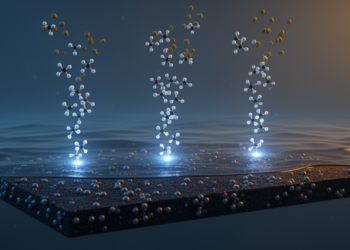
An asymmetrically coordinated zinc single-atom catalyst degrades antibiotics in water while converting the pollutants' own electrons into hydrogen peroxide.

A new review in Catal charts how donor-acceptor conjugated polymers have lifted solar-driven hydrogen peroxide production in pure water by ...
A co-precipitated Fe-AC/AgI photocatalyst degraded about 89.77% of tetracycline under visible light and retained activity over reuse cycles.
A comprehensive review in Discover Nano examines how perovskite materials could serve sustainable technologies while warning that lead content, leaching ...
A new Frontiers in Chemistry review surveys ruthenium-catalyzed C–H activation, annulation, and hydrogen-borrowing strategies for building bioactive heterocycles.
A Co₃O₄/ZnS heterojunction achieved sacrificial-agent-free photocatalytic ammonia synthesis from N₂ and water at 607.6 µg·h⁻¹·gcat⁻¹, retaining 98.4% of its activity ...
A ZnO-doped TiO2/carbon nanocomposite made from vegetable-tanned leather waste degraded up to 97 percent of two pharmaceutical pollutants under natural ...
Nankai University researchers built urea-linked covalent organic frameworks whose ordered hydrogen-bond networks act as proton highways, boosting solar-driven hydrogen peroxide ...

Tin doping during growth stabilizes the highly reactive (001) facet of anatase titanium dioxide, producing an optimal facet ratio that ...