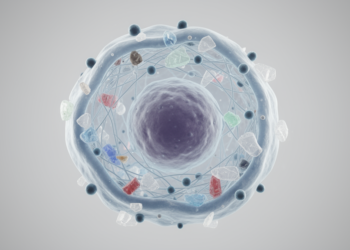
Micro- and Nano-plastics May Reshape Cell Mechanics and Disrupt Hydrogen Sulfide Signaling
A new review argues that micro- and nano-plastics may damage cells not only biochemically but by altering the mechanical properties ...
A new review argues that micro- and nano-plastics may damage cells not only biochemically but by altering the mechanical properties ...
A critical review argues that human microplastic toxicokinetic parameters are structurally non-identifiable because no existing dataset co-measures intake and elimination ...
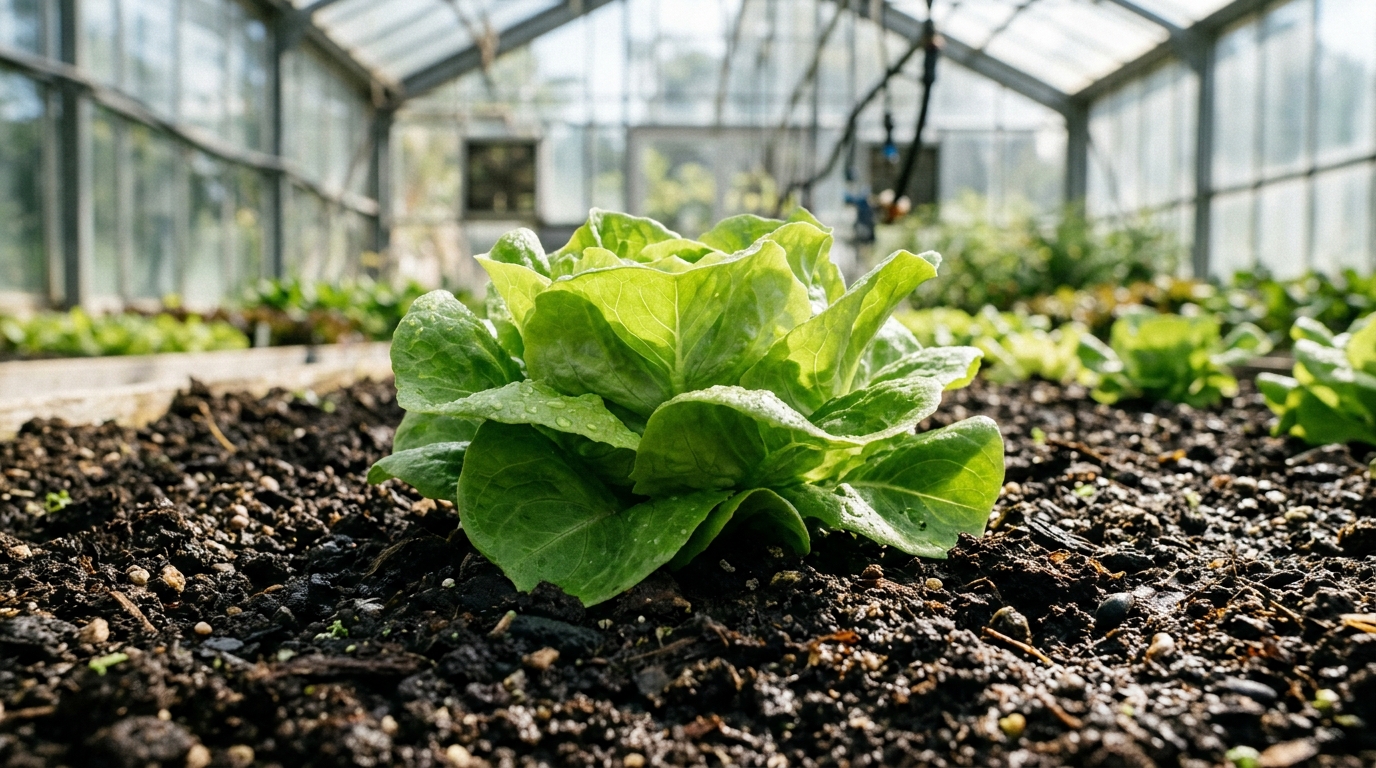
A 45-day greenhouse experiment found that polystyrene microplastics and nanoplastics significantly increased ammonium, nitrate, and available phosphorus in tropical soil ...

A new study estimates disposable coffee cups could shed up to 2.74 × 10¹¹ submicron plastic particles per person daily ...
A mouse study finds chronic polystyrene nanoplastic exposure promotes colorectal tumorigenesis by depleting a protective gut bacterium and weakening Th17 ...
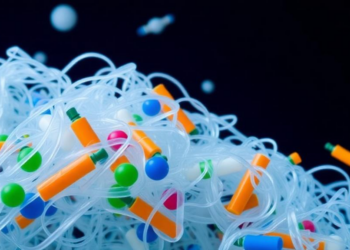
A new perspective argues that coordinating European research infrastructures is the key to overcoming fragmentation in micro- and nanoplastic research.

A new review proposes the CLEAN framework—Cut, Lock, Extract, Amend, Network—as a prevention-driven One Health roadmap for managing microplastic pollution ...

A Caco-2 spheroid and organ-on-a-chip study reports that 20 nm polystyrene nanoplastics induced oxidative, inflammatory, and epithelial-associated alterations in a ...
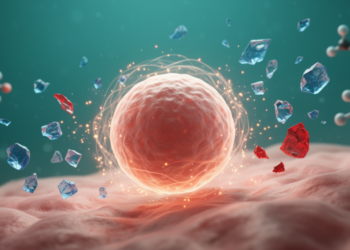
A new review synthesizes animal and human evidence suggesting that micro- and nanoplastics may impair oocyte development through several molecular ...
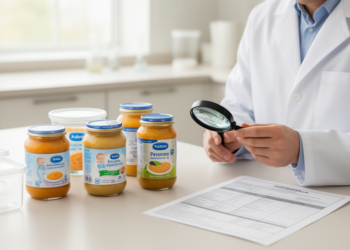
A systematic review finds critical methodological gaps in exposure estimates for microplastics, nanoplastics and oligomers in infant food.
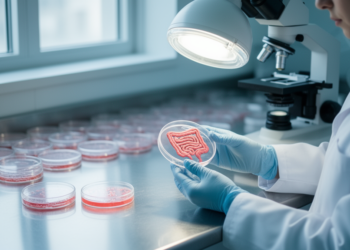
A scoping review of 90 studies finds intestinal micro- and nanoplastic research heavily concentrated in Caco-2 in vitro models, polystyrene ...
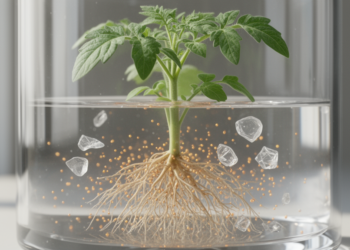
A controlled tomato experiment found that foliar potassium nanoparticles improved selected growth and glucose measurements and reduced oxidative-stress markers under ...
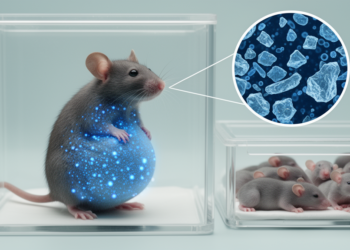
A critical review finds limited evidence that microplastics pass directly from exposed aquatic parents to embryos while warning that offspring ...
Micro- and nanoplastics have now been detected in some of the most intimate environments the human body contains: the placenta, ...
The scale of the new analysis is what sets it apart from earlier efforts to grade the microplastics literature. Previous ...

The water lettuce Pistia stratiotes occupies a distinctive position among aquatic macrophytes because of its rapid growth, floating habit, and ...
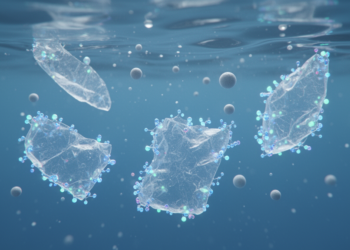
A new Nature study shows that microplastic surfaces become chemically reactive in water, generating tissue-damaging radicals that may explain links ...
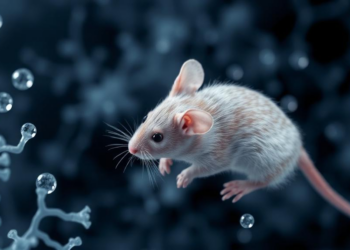
A twelve-week mouse study shows that microplastics and nanoplastics accumulate in liver macrophages and disrupt metabolism in strikingly different ways ...
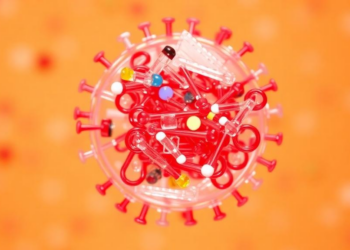
A sweeping review finds micro- and nanoplastics throughout human tissues and plausible mechanisms of harm, while cautioning that definitive proof ...
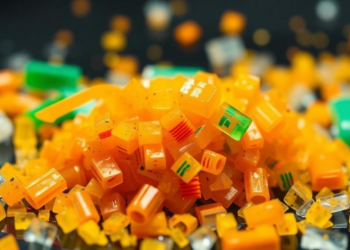
A new study shows that plastic particles become chemically rougher, more oxidized, and more biologically reactive as mechanical fragmentation shrinks ...