

• HOME
  • NEWS
  • EXPLORE
    • CAREER
      • Companies
      • Jobs
    • EVENTS
    • iGEM
      • News
      • Team
    • PHOTOS
    • VIDEO
    • WIKI
  • BLOG
  • COMMUNITY
    • FACEBOOK
    • INSTAGRAM
    • TWITTER
Sunday, November 1, 2026
BIOENGINEER.ORG
No Result
View All Result
  • Login
  • HOME
  • NEWS
  • EXPLORE
    • CAREER
      • Companies
      • Jobs
        • Lecturer
        • PhD Studentship
        • Postdoc
        • Research Assistant
    • EVENTS
    • iGEM
      • News
      • Team
    • PHOTOS
    • VIDEO
    • WIKI
  • BLOG
  • COMMUNITY
    • FACEBOOK
    • INSTAGRAM
    • TWITTER
No Result
View All Result
Bioengineer.org
No Result
View All Result
Home NEWS Science News Cancer

Polystyrene Nanoplastics Drive Colorectal Tumors in Mice by Disrupting Gut Microbiome and Immunity

by
October 29, 2026
in Cancer, Health
Reading Time: 2 mins read
0
Polystyrene Nanoplastics Drive Colorectal Tumors in Mice by Disrupting Gut Microbiome and Immunity

Polystyrene Nanoplastics Drive Colorectal Tumors in Mice by Disrupting Gut Microbiome and Immunity

Share on FacebookShare on TwitterShare on LinkedinShare on RedditShare on Telegram

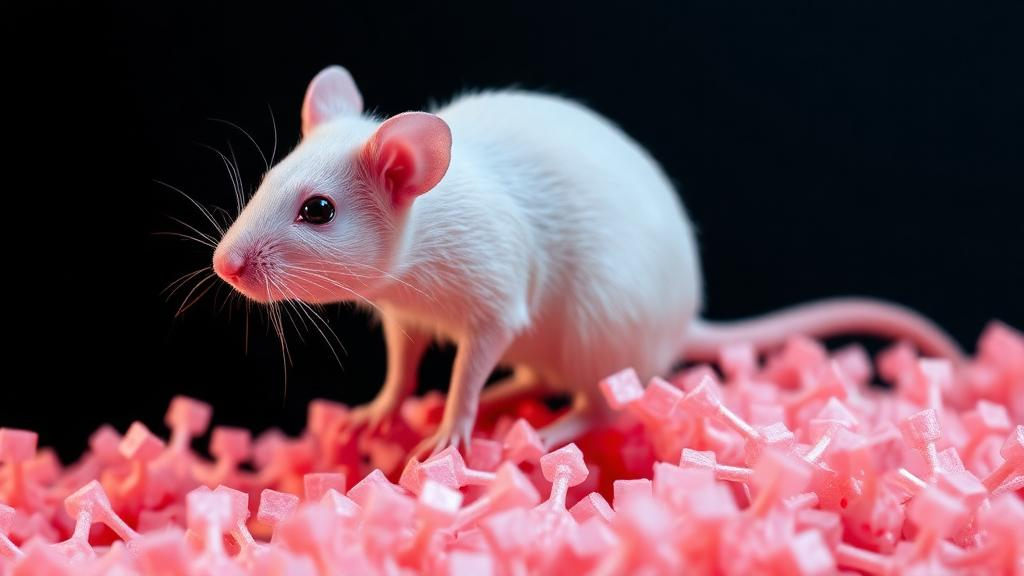
Polystyrene nanoplastics, among the most pervasive environmental contaminants, may actively promote colorectal cancer rather than merely passing through the gut, according to a study published in Molecular Cancer. Using a murine azoxymethane/dextran sulfate sodium (AOM/DSS)-induced colorectal cancer model, researchers report that chronic oral exposure to polystyrene nanoplastics (PS-NPs) promoted colorectal tumorigenesis through disruption of the gut microbiota–metabolite–immune axis.

The mechanistic picture emerging from the study’s multi-omics and functional analyses is strikingly specific. PS-NPs accumulated predominantly in the colon and caused structural damage to intestinal epithelial microvilli, and this coincided with a shift in the gut microbial community: the beneficial bacterium Faecalibaculum rodentium became depleted in nanoplastic-exposed animals.

That microbial loss carried a metabolic consequence. F. rodentium is a source of propionic acid, a protective metabolite, and its depletion led to a measurable reduction in this compound. The metabolic perturbation then cascaded into the immune system, attenuating Th17 cell differentiation and IL-17A production. Rather than being a pro-inflammatory driver in this context, the Th17/IL-17A pathway here functioned as part of anti-tumor immunity, and its impairment left the intestinal environment less able to suppress tumor formation.

The researchers also extended their observations into the clinic, detecting diverse microplastics in colorectal cancer patient tissues and blood.

Collectively, the study delineates a mechanistic pathway linking environmental nanoplastic exposure to colorectal carcinogenesis via what the authors call the F. rodentium–propionic acid–Th17 cell axis. The findings highlight the gut microbiome and its metabolites as potential targets for intervention against pollution-associated cancer risks, while underscoring that the results derive from an animal model of chemically induced tumorigenesis and require further investigation to establish relevance to human disease.

Subject of Research: How polystyrene nanoplastics may promote colorectal cancer through gut microbiota, metabolite and Th17 immune cell disruption

Article Title: Polystyrene nanoplastics promote colorectal tumorigenesis via gut microbiota-metabolite-Th17 cell axis

Article References: Fei, J., Jiang, Z., Zhang, P., Peng, Y., Wang, K., Zhu, J., Li, Y., Tang, Y., Zou, X., Fu, S., Yan, W., Huang, S., Shen, H., Zeng, S., & Han, Y. (2026). Polystyrene nanoplastics promote colorectal tumorigenesis via gut microbiota-metabolite-Th17 cell axis. Molecular Cancer. https://doi.org/10.1186/s12943-026-02823-2

Image Credits: AI Generated

DOI: 10.1186/s12943-026-02823-2

Keywords: polystyrene nanoplastics, colorectal cancer, gut microbiota, Faecalibaculum rodentium, propionic acid, Th17 cells, IL-17A, microbiome dysbiosis, AOM/DSS model, microplastics, Polystyrene, nanoplastics

News Source: Morgan Morrow. (October 29, 2026). Polystyrene Nanoplastics Drive Colorectal Tumors in Mice by Disrupting Gut Microbiome and Immunity. Scienmag.


Tags: AOM/DSS modelColorectal cancerFaecalibaculum rodentiumgut microbiotaIL-17AMicrobiome dysbiosismicroplasticsnanoplasticspolystyrenepolystyrene nanoplasticspropionic acidTh17 cells
Share12Tweet7Share2ShareShareShare1

Related Posts

ZNF207 shields glutamine transporter ASCT2 from degradation to fuel liver cancer growth

ZNF207 shields glutamine transporter ASCT2 from degradation to fuel liver cancer growth

October 30, 2026
Most Ethiopian HIV patients on dolutegravir therapy show good knowledge, survey finds

Most Ethiopian HIV patients on dolutegravir therapy show good knowledge, survey finds

October 30, 2026

Serum and urine protein biomarkers may sharpen prostate cancer detection beyond PSA

October 30, 2026

One gene locus flags atrial fibrillation risk after major surgery, UK Biobank study finds

October 30, 2026

POPULAR NEWS

  • Microbial Sources and Stress Shape the Hidden Endophytes of an Invasive Plant

    Microbial Sources and Stress Shape the Hidden Endophytes of an Invasive Plant

    29 shares
    Share 12 Tweet 7
  • Firebreaks Leave Lasting Scars in Grasslands While Wildfire Heals Fast

    29 shares
    Share 12 Tweet 7
  • ZNF207 shields glutamine transporter ASCT2 from degradation to fuel liver cancer growth

    29 shares
    Share 12 Tweet 7
  • Systematic review maps sustainability tensions in offshore wind development

    29 shares
    Share 12 Tweet 7

About

We bring you the latest biotechnology news from best research centers and universities around the world. Check our website.

Follow us

Recent News

Microbial Sources and Stress Shape the Hidden Endophytes of an Invasive Plant

Firebreaks Leave Lasting Scars in Grasslands While Wildfire Heals Fast

ZNF207 shields glutamine transporter ASCT2 from degradation to fuel liver cancer growth

Subscribe to Blog via Email

Enter your email address to subscribe to this blog and receive notifications of new posts by email.

Join 86 other subscribers
  • Contact Us

Bioengineer.org © Copyright 2023 All Rights Reserved.

Welcome Back!

Login to your account below

Forgotten Password?

Retrieve your password

Please enter your username or email address to reset your password.

Log In
No Result
View All Result
  • Homepages
    • Home Page 1
    • Home Page 2
  • News
  • National
  • Business
  • Health
  • Lifestyle
  • Science

Bioengineer.org © Copyright 2023 All Rights Reserved.
