Engineered B. subtilis Sets Record for Invertase Production
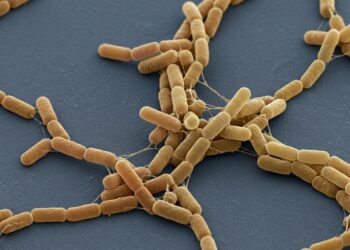
Engineered Bacillus subtilis strain WBSS142I4PA achieves record extracellular invertase activity of 568.86 U/mL, facilitating the conversion of soybean raffinose into ...
Engineered Bacillus subtilis strain WBSS142I4PA achieves record extracellular invertase activity of 568.86 U/mL, facilitating the conversion of soybean raffinose into ...
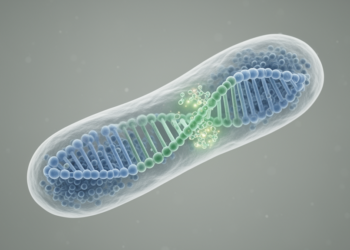
Researchers engineered an Escherichia coli strain using sequential thermal and chemical regulation to convert 5-hydroxymethylfurfural into 2,5-furandicarboxylic acid with complete ...
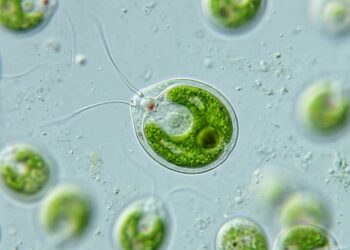
Synthetic biology advancements and multi-trait genome engineering are transforming the model microalga Chlamydomonas reinhardtii into a versatile photosynthetic biomanufacturing platform ...
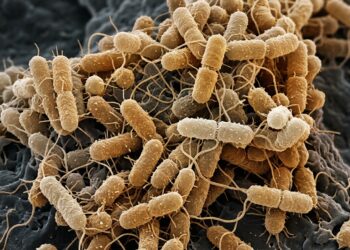
Researchers engineered Corynebacterium glutamicum to produce L-threonine from acetate using automated pH-controlled feeding in bioreactors.
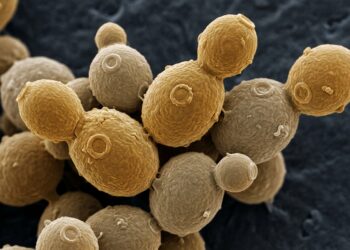
Transcriptomics integrated with a genome-scale metabolic model identified AGC1 and PAS_chr3_0834 as effective ferulic acid tolerance targets in engineered Komagataella ...
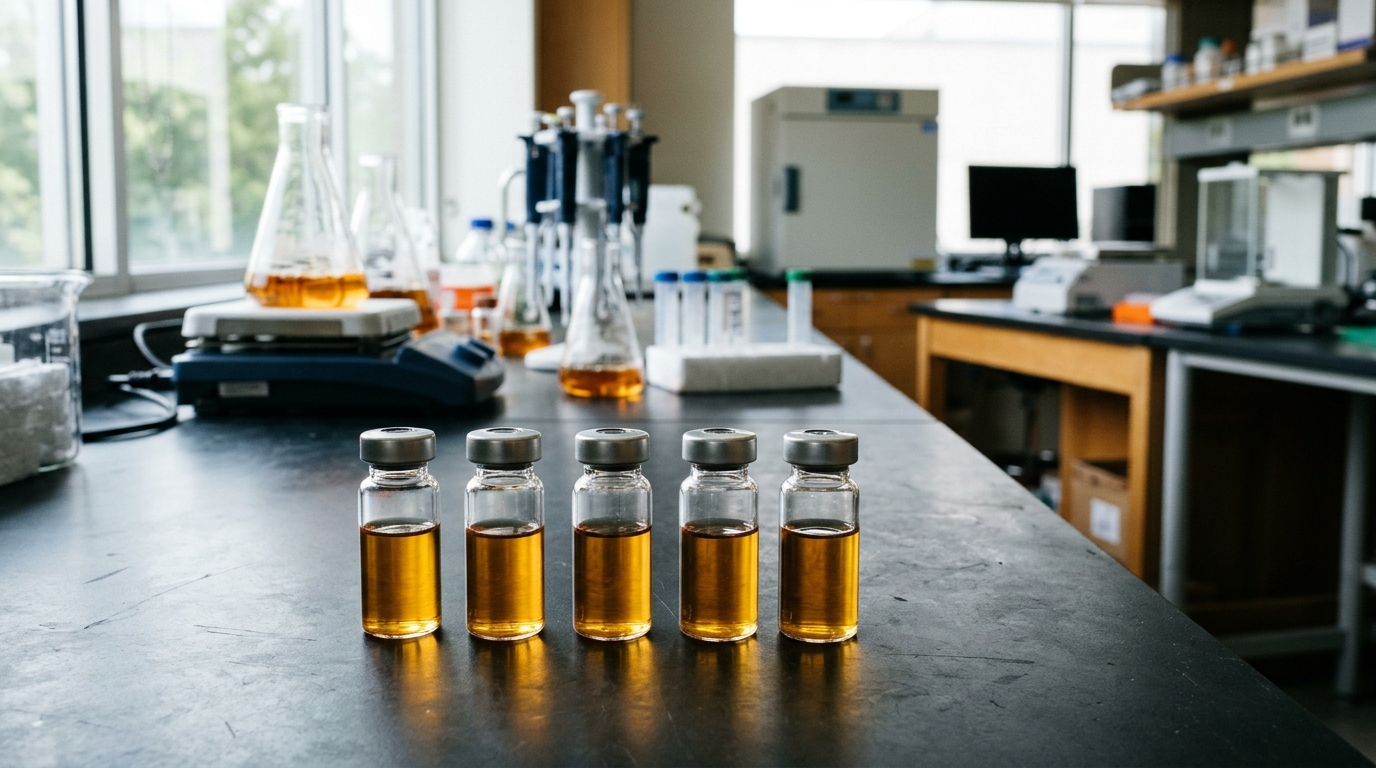
Rearranging the four-gene rfb operon into a dual-promoter configuration lifted engineered E. coli to 81.9 mg/L of genistein 7-O-rhamnoside and ...

A new mini-review argues that precision fermentation will only scale when strain design, bioreactor intensification, real-time control, and techno-economic assessment ...
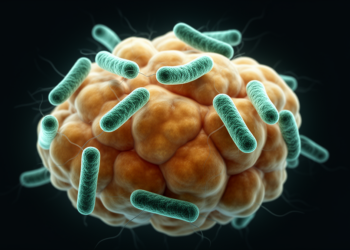
A genome-wide knockout screen in E. coli identified metabolic adaptations, including deletions of nonglucose phosphotransferase systems, that enhance bacterial colonization ...

A new mini-review details how hybrid and synthetic extracellular vesicle platforms are being engineered to overcome the low yield, heterogeneity, ...
Researchers identified three Bacillus subtilis transporters that move Se-methylselenocysteine into cells and found that deleting their genes triggers selenomethionine formation ...
A high-quality draft genome of the MEL-producing yeast Pseudozyma sp. SY16 reveals conserved biosynthetic genes and evidence of binucleate cells.
A new review examines how pigments from fungi, bacteria and microalgae could replace synthetic food dyes, and what obstacles remain.
An engineered E. coli biosensor built on the Pseudomonas putida ttg operon estimated biosynthetic resveratrol concentrations with 92.7 to 93.8 ...
A new review maps how engineered fungi, yeasts, and microalgae could displace plant seed oils as the dominant source of ...
A new review examines how Streptomyces bacteria could produce polyhydroxyalkanoate bioplastics, highlighting omics insights, bioprocess optimization and the barriers still ...
University of Illinois researchers say precision fermentation, long used for fuel and animal feed, could help address global food insecurity ...
A new computational framework called TRAEV predicts whether engineered metabolic traits in microbial strains will persist under adaptive evolution in ...
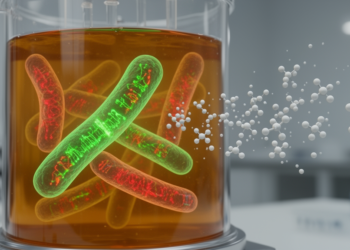
Researchers at Shandong University built a three-module self-induced gene circuit from quorum sensing and stationary phase signals that raised 3-hydroxypropionic ...

Overexpressing the VTE3 gene in tomato increased α-tocopherol accumulation in fruit and reduced reactive oxygen species under abiotic stress, a ...
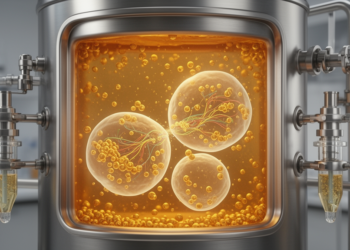
A 2026 review synthesizes plant, enzyme-engineering and microbial approaches to phytosterol production, including a reported engineered-yeast campesterol titer of 5.88 ...