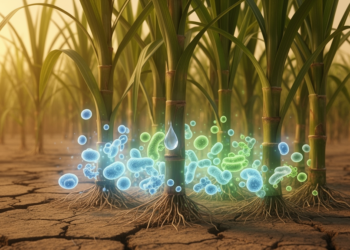
Bacterial synthetic communities reshape how sugarcane responds to drought stress
A transcriptomic study finds that a five-member bacterial synthetic community alters sugarcane gene expression under drought, shifting signaling from hormone-based ...
A transcriptomic study finds that a five-member bacterial synthetic community alters sugarcane gene expression under drought, shifting signaling from hormone-based ...

A new review synthesizes how drought, light, temperature, nutrients and hormones physiologically and molecularly regulate cannabinoid and terpene biosynthesis in ...
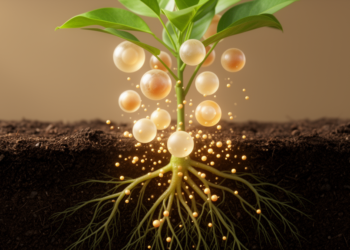
A new review examines how five biodegradable biopolymers engineered at the nanoscale could improve nutrient delivery, soil management and stress ...

A new Frontiers research collection gathers twelve studies spanning vulnerability assessment, ozone impacts, digital phenotyping, multi-trait breeding, and microbial inoculants ...
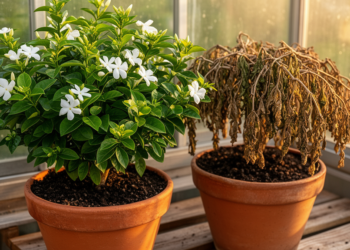
Jasmine (Jasminum sambac), the fragrant ornamental shrub widely cultivated in India for its flowers and essential oil, suffers when water ...
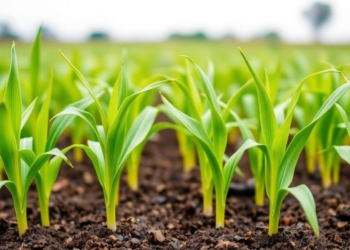
A seven-day experiment in maize seedlings found that 50 and 100 micromoles per litre of melatonin partially alleviated drought injury ...
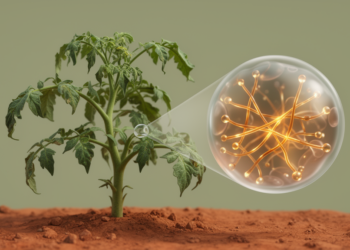
A heterogeneity-aware meta-analysis of four public tomato RNA-seq datasets identified 5,681 drought-responsive candidate genes and profiled ten of them by ...

A genome-wide survey identified 12 JAZ genes in Cinnamomum burmannii, with CbJAZ8 and CbJAZ9 strongly induced by methyl jasmonate and ...
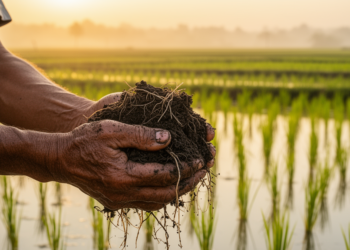
A new review details how stress-tolerant plant growth-promoting rhizobacteria can help rice withstand drought, salinity, flooding, and heavy metals while ...
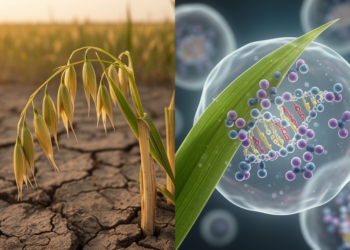
A physiological and whole-transcriptome study links drought responses in four oat cultivars to carbon-metabolism pathways and a predicted miR156-centered non-coding ...
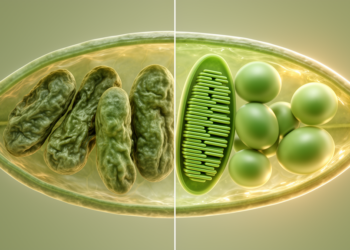
A controlled greenhouse study shows that the oil crop Jatropha curcas survives drought by reversibly compressing its thylakoid membranes and ...
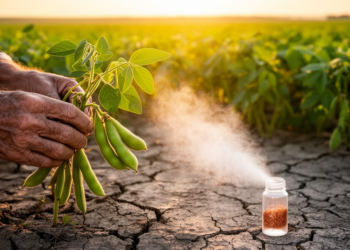
A full-lifecycle field study found that foliar sprays of 50 mg per liter copper oxide nanoparticles and 100 to 200 ...
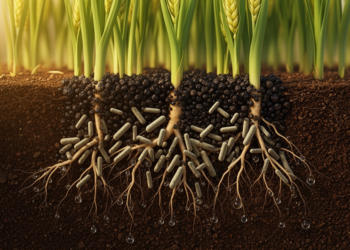
A field experiment found that combining the bacterium Azospirillum brasilense with humic acid improved wheat growth, physiology and drought tolerance ...
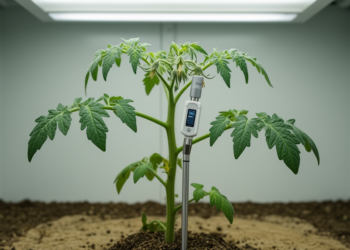
Two case studies found that the Bioristor sensor continuously tracked tomato physiological responses and helped classify varieties and introgression lines ...
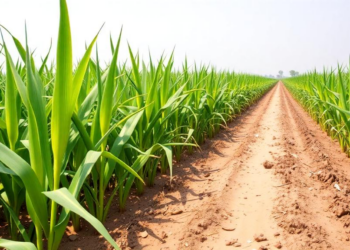
A critical review finds that plant growth-promoting rhizobacteria can improve drought-related traits in sugarcane, but field-tested yield benefits remain inconsistent ...
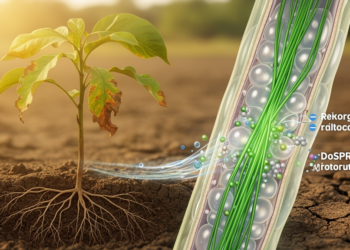
Elevated DoSPR1-2 expression was associated with reduced drought tolerance in Dalbergia odorifera seedlings and with cortical microtubule organization in a ...

A Portuguese field experiment found that woody biochar increased pasture productivity from 6 to 9 tonnes per hectare, raised protein ...
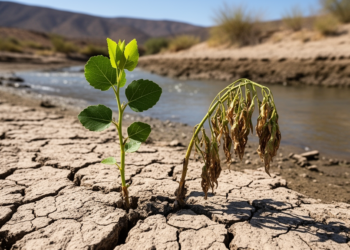
A controlled laboratory study found that higher temperatures and lower water potential reduced germination in the restricted-range Mexican poplars Populus ...
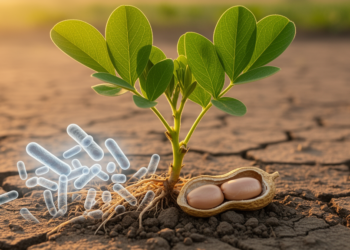
An experimental study reports that inoculating peanut with Tsukamurella tyrosinosolvens P9 improved drought tolerance, post-drought recovery and maturation-stage pod yield ...
Researchers identified a wheat MAPK gene haplotype significantly associated with drought survival across 344 accessions, offering a promising marker for ...