BRD4 emerges as key regulator of STING expression in cancer cells
BET inhibition suppresses STING expression at its promoter and enhancer regions, weakening the immune response triggered by PARP inhibitors.
BET inhibition suppresses STING expression at its promoter and enhancer regions, weakening the immune response triggered by PARP inhibitors.
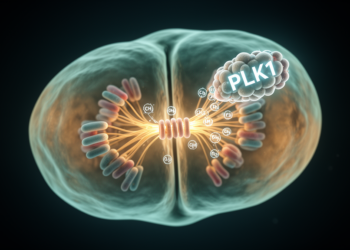
A new review synthesizes how phosphorylation, ubiquitination, methylation, SUMOylation and O-GlcNAcylation form an interconnected network that controls the mitotic kinase ...
A new review examines how zinc oxide nanoparticles kill cancer cells selectively through reactive oxygen species, zinc ion imbalance and ...
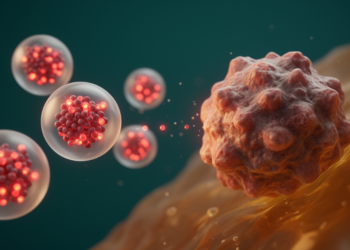
A systematic review finds that nanoparticle and liposome delivery systems consistently improve resveratrol's stability and tumor uptake in preclinical models, ...
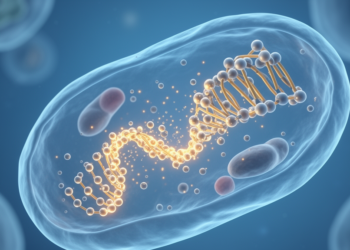
A new Nature Protocols article details how to design peptides that assemble inside living cells in response to glutathione or ...

A new review maps how biomaterials can exploit cholesterol metabolism in cancer while warning that most mechanistic claims remain unproven.
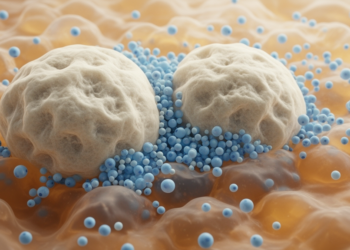
A review in Molecular Biology Reports examines how therapy-induced senescence and the SASP reshape the tumor immune microenvironment, and how ...
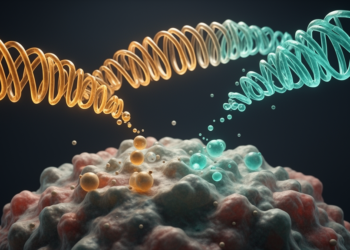
A new review argues that the molecular weight of hyaluronic acid, spanning oligosaccharides below 10 kilodaltons to chains above 6 ...
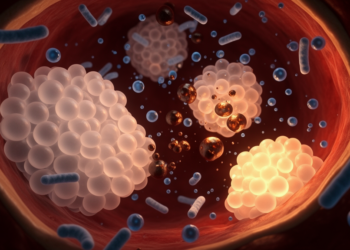
Research reveals that FDX1 downregulation in acute myeloid leukemia drives resistance to cuproptosis via the ROS/p53/ME1 axis, suggesting a new ...
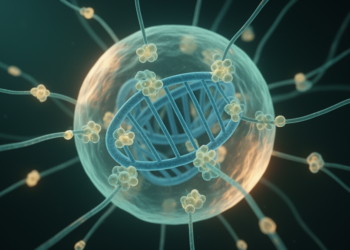
A Molecular Cancer review redefines the MAD gene family as a unified HORMA-domain genome surveillance system linking spindle checkpoint control ...
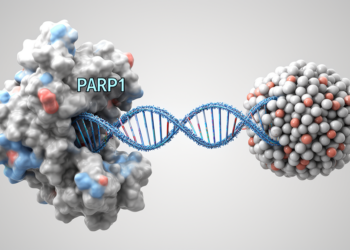
St. Jude researchers show the DNA repair enzyme PARP1 evicts two histones near damage sites, forming hexasomes that recruit repair ...
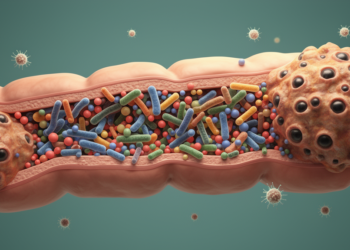
A 2026 editorial synthesizes evidence associating dysbiosis with inflammation, genotoxicity, immune evasion, metabolism and cancer treatment outcomes while identifying variability, ...
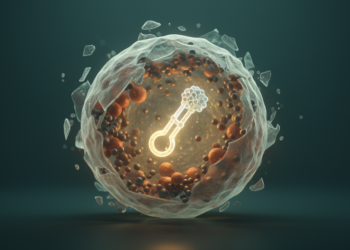
A new review details how the NRF2 transcription factor shields cancer cells from iron-dependent ferroptotic death and how natural and ...
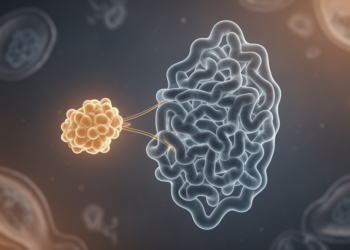
A comprehensive review in Cellular and Molecular Life Sciences maps how single ubiquitin marks on non-histone proteins regulate DNA repair, ...
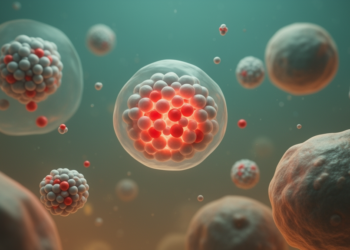
Chemotherapy saves lives, but it can also leave chaos in its wake. One of the most widely used anticancer drugs, ...

A year of pharmacovigilance reports from Ho Chi Minh City shows that of 253 confirmed adverse reactions to anticancer drugs, ...

A new review in Pharmacia charts how magnetic nanoparticles, metal-organic frameworks, and ROS-responsive carriers are transforming targeted cancer therapy and ...

A new review links inherited variants in ABCB1, ABCC1, and ABCG2 drug transporter genes to differences in chemotherapy and targeted ...
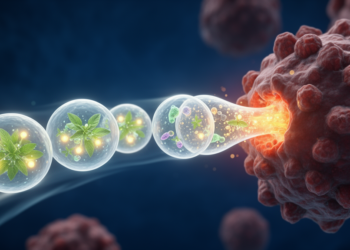
A new review argues that plant-derived extracellular vesicles can both deliver and amplify the anticancer power of plant natural products, ...
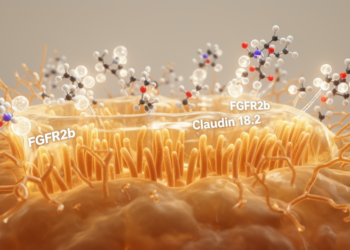
A new review maps how two splice-variant proteins, CLDN18.2 and FGFR2b, became leading cancer drug targets, and why next-generation antibodies, ...