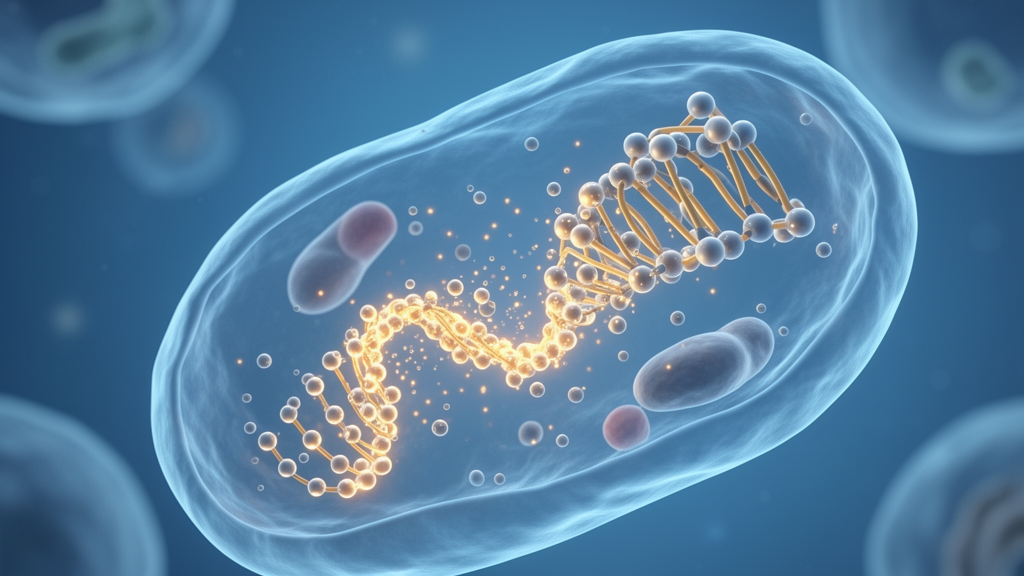
Peptides can be coaxed to fold into precise nanostructures inside living cells, and a newly published protocol in Nature Protocols lays out, step by step, how researchers can build and test such systems. The work, led by Peng Zhang, Xin Liu, Hao Wang, Ninglin Chen, Linqi Shi and Zhilin Yu, addresses a long-standing frustration in peptide-based biomedicine: getting self-assembling peptide materials into the right cells, at the right place, in the right form.
Yet the conventional approach, in which peptides are first assembled into nanostructures in a test tube and then introduced to cells, runs into two recurring problems. The protocol’s authors note that pre-assembled peptide nanostructures are often taken up poorly by cells and show low selectivity toward target cells, which raises off-target concerns and limits therapeutic performance.
The alternative described in the protocol is in situ assembly: rather than shipping finished nanostructures into a cell, researchers deliver peptide building blocks that remain dispersed until a biocompatible trigger inside the cell causes them to assemble locally.
The central design tool is the stimuli-responsive unnatural amino acid. The protocol details how to design and synthesize such peptides and how to characterize their responsiveness to two classes of biological triggers: the redox agent glutathione and the enzyme sulfatase.
The protocol walks through the characterization of peptide responsiveness to both stimuli, giving researchers the analytical checkpoints needed to confirm that the switch behaves as designed before moving into biological systems.
The workflow is not confined to a single cell type. The authors describe assembly conditions for experiments in solution, in murine macrophage cells, in human cervical carcinoma cells and in murine breast cancer cells.
A substantial portion of the protocol is devoted to subcellular targeting, where in situ assembly shows its sharpest advantage over pre-formed particles. The published figures describe mitochondrion-targeted in situ assembly of the peptide PMSeO in stimulated macrophages, endoplasmic reticulum-targeted assembly of ER-EVMSeO in HeLa cells, and protein-targeted assembly of EIYsBE3 in 4T1 cells. In each case, the peptide is designed so that a specific intracellular stimulus, glutathione or a sulfatase, triggers assembly only after the molecule reaches its intended destination, whether an organelle or a target protein.
The protocol also extends the concept toward therapeutic application. The applications section further covers the use of in situ-formed peptide assemblies for cancer therapy in murine breast tumor-bearing BALB/c mice, providing an in vivo bridge between the molecular design work and preclinical evaluation.
The authors position the methodology as a robust platform for developing in situ-formed peptide assemblies and for advancing the clinical translation of peptide-based supramolecular therapeutics. They are also candid about the demands it places on the laboratory: performing the protocol requires expertise in peptide chemistry, materials engineering and biomedical engineering, and the full workflow is expected to take 92 to 115 days to complete. That timeline reflects the breadth of the procedure, which spans peptide design and synthesis, stimulus-response characterization, cell-based assembly experiments across four biological settings, subcellular targeting studies and mouse tumor models.
As a protocol article, the publication describes planned and validated methods rather than reporting new efficacy findings; its contribution is a detailed, reproducible workflow that other laboratories can adopt. By replacing the delivery of pre-assembled nanostructures with the controlled construction of assemblies inside cells, the approach offers a precise and efficient way to address the off-target effects and poor penetration that have constrained pre-assembled peptide therapeutics, and it gives the supramolecular chemistry community a standardized path from molecular design to intracellular assembly and preclinical testing.
Subject of Research: A protocol for designing stimuli-responsive peptides that self-assemble inside living cells for subcellular targeting and cancer therapy applications.
Article Title: In situ assembly of peptides in living cells
Article References: Zhang, P., Liu, X., Wang, H., Chen, N., Shi, L., & Yu, Z. (2026). In situ assembly of peptides in living cells. Nature Protocols. https://doi.org/10.1038/s41596-026-01433-y
Image Credits: AI Generated
DOI: 10.1038/s41596-026-01433-y
Keywords: peptide self-assembly, in situ assembly, unnatural amino acids, glutathione, sulfatase, subcellular targeting, supramolecular therapeutics, cancer therapy, Nature Protocols, bola-amphiphilic peptides, Supra-PROTACs, nanotechnology
News Source: Ophelia Keating. (October 27, 2026). Scientists Detail a Protocol for Assembling Peptides Inside Living Cells. Scienmag.