Immune checkpoint regulators operate far beyond cancer biology by governing the balance between immune activation and self-tolerance across diverse pathological conditions, according to a narrative review in Biomarker Research by Yue Shu, Jia-xin Zhao, and colleagues. While therapies targeting PD-1, CTLA-4, and other checkpoint molecules have transformed oncology, their regulatory networks simultaneously mediate non-malignant inflammatory disorders, including sepsis, chronic viral infections, autoimmune diseases, and solid organ transplantation. The authors synthesized literature from Web of Science and PubMed to construct a unified framework addressing how checkpoint pathways function across these five major disease categories. By mapping molecular mechanisms alongside clinical dilemmas, the analysis reveals that identical receptor pathways execute opposing physiological functions depending on disease stage, microenvironmental context, and tissue-specific immunological setpoints.
The historical foundation of checkpoint biology spans over six decades, originating in 1968 when Ingegerd Hellström demonstrated that autologous lymphocytes failed to kill cancer cells in vitro and postulated an inhibitory blockade. Molecular characterization accelerated when CTLA-4 was cloned in 1987 and defined as a negative T-cell regulator in 1996, followed by the identification of PD-1 in 1992 and the coining of checkpoint terminology in cancer research by Pardoll. Preclinical studies demonstrated anti-CTLA-4 efficacy in mice in 2000, while the PD-1/PD-L1 axis was detailed in 2006. Clinical translation culminated with the approval of ipilimumab in 2011, anti-PD-1 therapies in 2014, dual checkpoint blockade in 2015, and the LAG-3 inhibitor relatlimab in 2022. Emerging research has expanded this landscape through novel targets such as CD3L1, identified in 2024.
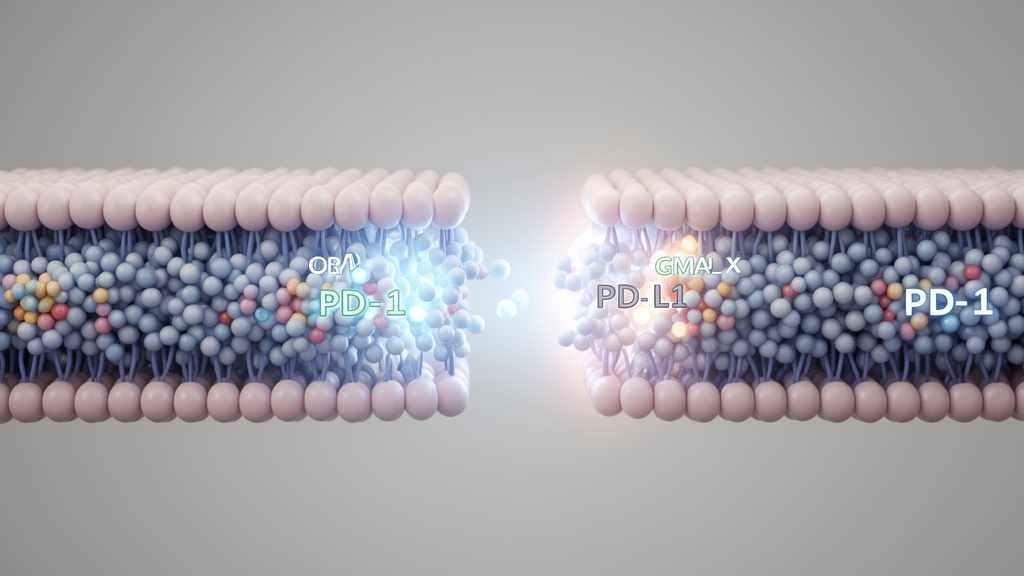
At the mechanistic level, co-inhibitory and co-stimulatory checkpoints coordinate lymphocyte responses through distinct intracellular cascades. PD-1, designated CD279 within the B7-CD28 superfamily, is expressed on T cells, B cells, natural killer cells, dendritic cells, and activated monocytes, interacting with ligands PD-L1 and PD-L2. Phosphorylation of its cytoplasmic ITIM and ITSM motifs recruits SHP-2 phosphatase, which dephosphorylates CD28 signaling pathways more potently than T-cell receptor components like ZAP70. PD-1 signaling also enhances T-cell sensitivity to TGF-beta in cutaneous tissue, maintaining tissue-resident memory T cells. Conversely, CTLA-4 acts early in secondary lymphoid organs, outcompeting CD28 to bind shared ligands CD80 and CD86 with higher affinity. CTLA-4 on regulatory T cells degrades these ligands via trans-endocytosis and suppresses downstream PI3K, Akt, and NF-kappa B activation.
Beyond classical receptors, novel inhibitory and activating pathways demonstrate intricate signaling networks. CD3L1 functions as an inhibitory ligand binding to the CD3-epsilon chain within the functional T-cell receptor complex, suppressing T-cell activation. CD3L1 expression is mutually exclusive with PD-1 and PD-L1 in tumors, and its genetic deletion in murine models triggers autoimmune responses in immune-privileged testicular tissue. In contrast, co-stimulatory molecules deliver essential second signals that amplify antigen recognition mediated by major histocompatibility complexes. CD28 binds CD80 and CD86 on antigen-presenting cells to sustain cellular activation, while tumor necrosis factor receptor superfamily members 4-1BB and OX-40 recruit TRAF factors or trigger PI3K and NF-kappa B cascades. In atopic dermatitis, OX-40 and OX-40L interactions synergize with MHC class II presentation to exacerbate cutaneous inflammation, underscoring the necessity of tailoring molecular interventions to distinct disease states.
In oncology, tumors exploit these physiological dampening mechanisms to evade immune surveillance by overexpressing ligands like PD-L1 or upregulating suppressive circuits involving regulatory T cells and IDO. Checkpoint blockade therapies reinvigorate exhausted lymphocytes, achieving regulatory approval across dozens of indications, with the United States FDA approving 15 checkpoint inhibitors and China’s NMPA approving 26 agents by January 2026. While PD-L1 immunohistochemistry, MSI or dMMR, and tumor mutational burden serve as approved predictive biomarkers, clinical trials explore multi-target combinations to overcome resistance. In advanced melanoma, combining relatlimab with nivolumab demonstrated significant progression-free survival improvements in the RELATIVITY-047 trial compared to monotherapy. Similarly, combining atezolizumab with the anti-TIGIT antibody tiragolumab received breakthrough therapy designation in non-small cell lung cancer, while innate targets like CD47-SIRP-alpha undergo active clinical evaluation.
The pathophysiological behavior of immune checkpoints diverges fundamentally in autoimmune conditions, where breakdown of self-tolerance precipitates pathogenic immune attacks against host tissues. Murine gene deletion experiments demonstrate that loss of PD-1 produces fatal autoimmune myocarditis, LAG-3 deficiency induces type 1 diabetes, and CTLA-4 knockout leads to lethal multi-organ lymphoproliferative destruction. Consequently, therapeutic paradigms in autoimmunity require checkpoint agonism or co-stimulation blockade rather than inhibitory receptor antagonism. The PD-1 agonist antibody peresolimab achieved significant disease activity reductions in a Phase 2 trial of rheumatoid arthritis, while agents like rosnilimab and GenSci120 advance in clinical development. Concurrently, abatacept, a CTLA-4 immunoglobulin fusion protein, successfully treats rheumatoid arthritis by binding CD80 and CD86 on antigen-presenting cells to disrupt CD28-dependent co-stimulation without acting as an inhibitory checkpoint blocker.
In sepsis, checkpoint pathways display dynamic temporal dysregulation that directly impacts patient survival during infection-induced organ dysfunction. Following initial hyperinflammation, septic patients frequently enter a protracted immunosuppressive state termed immune paralysis, which represents the primary driver of sepsis-related mortality. Widespread upregulation of PD-1, CTLA-4, TIM-3, and BTLA occurs across circulating leukocytes. On neutrophils, elevated PD-L1 expression suppresses apoptosis and exacerbates acute lung injury in septic mouse models. Clinical evaluation in a Phase Ib trial demonstrated that single-dose nivolumab administration was well-tolerated in septic patients without inducing cytokine storms, producing an exploratory recovery trend in monocyte human leukocyte antigen-DR expression. Nevertheless, therapeutic windows remain challenging; precision stratification trials such as ImmunoSep evaluate biomarker-guided patient selection, recognizing that interventions administered within 48 hours of onset must accurately isolate immunosuppressed individuals.
The functional consequences of checkpoint expression during viral infections are dictated by the duration and persistence of antigenic stimulation. During acute viral infections such as influenza or cowpox, transient checkpoint upregulation serves as an essential negative feedback brake, protecting host tissues from fatal immunopathology. Mice deficient in PD-1 succumb to unrestrained tissue destruction rather than viral load during acute challenges. Conversely, persistent antigen exposure in chronic hepatitis B, hepatitis C, and HIV infections drives sustained co-expression of PD-1, TIM-3, LAG-3, and TIGIT, inducing profound T-cell exhaustion and impaired interferon-gamma production. In chronic hepatitis B, exhaustion correlates with serum alanine aminotransferase elevations. Clinical trials evaluating PD-1 blockade in latent HIV have demonstrated rejuvenation of virus-specific T cells, though without clearing viral reservoirs, while oncological checkpoint therapy in cancer patients with viral hepatitis necessitates rigorous antiviral prophylaxis against hepatitis B reactivation.
In solid organ transplantation, modulating checkpoint pathways involves balancing graft rejection against life-threatening risks of generalized immunosuppression. While preclinical models indicate that stimulating inhibitory pathways promotes regulatory T cells and induces allograft tolerance, translating checkpoint-targeted therapies into transplant medicine reveals severe organ-specific hazards. Although the co-stimulation blocker belatacept achieved long-term preservation of renal function in kidney transplant recipients, its clinical application in lung transplantation resulted in disastrous graft failure. Furthermore, administering oncological checkpoint blockade to transplant recipients with refractory malignancies markedly increases acute allograft rejection risks, though isolated cases show successful tolerance. Preclinical investigations show that PD-1 inhibitors trigger more pronounced acute rejection than CTLA-4 inhibitors. Interventions such as pre-transplant bridging immunotherapy in the PLENTY trial emphasize establishing defined washout windows to mitigate post-operative graft injury.
Widespread clinical use of checkpoint blockade has exposed immune-related adverse events across multiple organ systems due to broken self-tolerance, epitope spreading, and dysregulated cytokine release. Common toxicities affect the gastrointestinal tract, liver, skin, kidneys, lungs, and endocrine glands, demanding structured intervention under CTCAE grading. Mild grade 1 toxicities permit continued immunotherapy with symptomatic care, whereas grade 2 or higher toxicities generally mandate temporary drug withholding and systemic corticosteroid induction. For corticosteroid-refractory colitis, biologics such as infliximab or vedolizumab provide targeted relief, while mycophenolate mofetil serves as a secondary agent for severe hepatitis and acute kidney injury. In dermatologic irAEs, targeted agents such as dupilumab or rituximab show efficacy for refractory bullous pemphigoid. Conversely, severe endocrine toxicities involving irreversible glandular destruction require lifelong physiological hormone replacement rather than escalating immunosuppression.
Although less frequent, rare toxicities such as immune-mediated myocarditis carry catastrophic mortality rates approaching 50 percent, occurring in approximately 1 percent of treated cancer patients. Cardiac toxicity risk increases significantly under dual checkpoint inhibition combining anti-PD-1 and anti-CTLA-4 regimens, often overlapping with myositis and myasthenia-like symptoms in the life-threatening triple-M syndrome. Management mandates immediate, permanent cessation of checkpoint inhibitors, accompanied by intensive immunosuppression like high-dose corticosteroids or salvage therapy with abatacept and ruxolitinib alongside vital organ support. Neurological toxicities, including encephalitis, myelitis, and myasthenia gravis, likewise necessitate prompt multidisciplinary intervention with intravenous immunoglobulin or plasma exchange. In addition to toxicities, primary and acquired therapeutic resistance presents formidable challenges driven by antigen presentation defects, interferon-gamma pathway inactivation, metabolic immunosuppression mediated by IDO1, and myeloid suppressor cell recruitment through NLRP3 inflammasome signaling.
To reconcile these clinical dilemmas, the authors propose a unified cross-disease framework establishing that therapeutic direction is dictated by three contextual variables rather than intrinsic molecular properties: intervention timing relative to disease progression, duration and intensity of receptor engagement, and the tissue-specific immunological setpoint. While oncology requires transient pathway blockade to unleash effector lymphocytes, autoimmune disorders and transplantation demand sustained checkpoint agonism or co-stimulation inhibition to rebuild peripheral tolerance, whereas sepsis necessitates tightly timed, biomarker-guided reversal of late-stage immune paralysis. Realizing the full potential of cross-disease immunotherapy requires overcoming substantial evidentiary disparities, including the absence of head-to-head validated biomarkers across disease silos, a paucity of phase II and III trials harmonized for immune homeostasis endpoints, and incomplete characterization of host modifiers such as prior autoimmunity or microbial carriage.
Subject of Research: Cross-disease mechanisms and therapeutic modulation of immune checkpoints in human pathology
Article Title: Immune checkpoints: cross-disease insights and clinical dilemmas
Article References: Shu, Y., Zhao, J.-X., Guo, B.-Y., Liu, Y., Zhou, M., Ma, N., Zhu, C.-L., & Zou, Z. (2026). Immune checkpoints: cross-disease insights and clinical dilemmas. Biomarker Research, 14(1), Article 155. https://doi.org/10.1186/s40364-026-01030-x
Image Credits: AI Generated
DOI: 10.1186/s40364-026-01030-x
Keywords: immune checkpoints, checkpoint inhibitors, PD-1, CTLA-4, immune-related adverse events, autoimmunity, sepsis, organ transplantation, viral exhaustion, peresolimab, abatacept, relatlimab, CD3L1, T-cell activation, immune tolerance, myocarditis, biomarkers, tumor microenvironment
News Source: Ophelia Keating. (November 16, 2026). Immune Checkpoint Pathways Demand Contextual Modulation Across Five Major Disease Classes. Scienmag.