• HOME
  • NEWS
  • EXPLORE
    • CAREER
      • Companies
      • Jobs
    • EVENTS
    • iGEM
      • News
      • Team
    • PHOTOS
    • VIDEO
    • WIKI
  • BLOG
  • COMMUNITY
    • FACEBOOK
    • INSTAGRAM
    • TWITTER
Wednesday, May 13, 2026
BIOENGINEER.ORG
No Result
View All Result
  • Login
  • HOME
  • NEWS
  • EXPLORE
    • CAREER
      • Companies
      • Jobs
        • Lecturer
        • PhD Studentship
        • Postdoc
        • Research Assistant
    • EVENTS
    • iGEM
      • News
      • Team
    • PHOTOS
    • VIDEO
    • WIKI
  • BLOG
  • COMMUNITY
    • FACEBOOK
    • INSTAGRAM
    • TWITTER
  • HOME
  • NEWS
  • EXPLORE
    • CAREER
      • Companies
      • Jobs
        • Lecturer
        • PhD Studentship
        • Postdoc
        • Research Assistant
    • EVENTS
    • iGEM
      • News
      • Team
    • PHOTOS
    • VIDEO
    • WIKI
  • BLOG
  • COMMUNITY
    • FACEBOOK
    • INSTAGRAM
    • TWITTER
No Result
View All Result
Bioengineer.org
No Result
View All Result
Home NEWS Science News Biology

Gulls, sentinels of bacteria in the environment

Bioengineer by Bioengineer
February 10, 2021
in Biology
Reading Time: 3 mins read
0
IMAGE
Share on FacebookShare on TwitterShare on LinkedinShare on RedditShare on Telegram

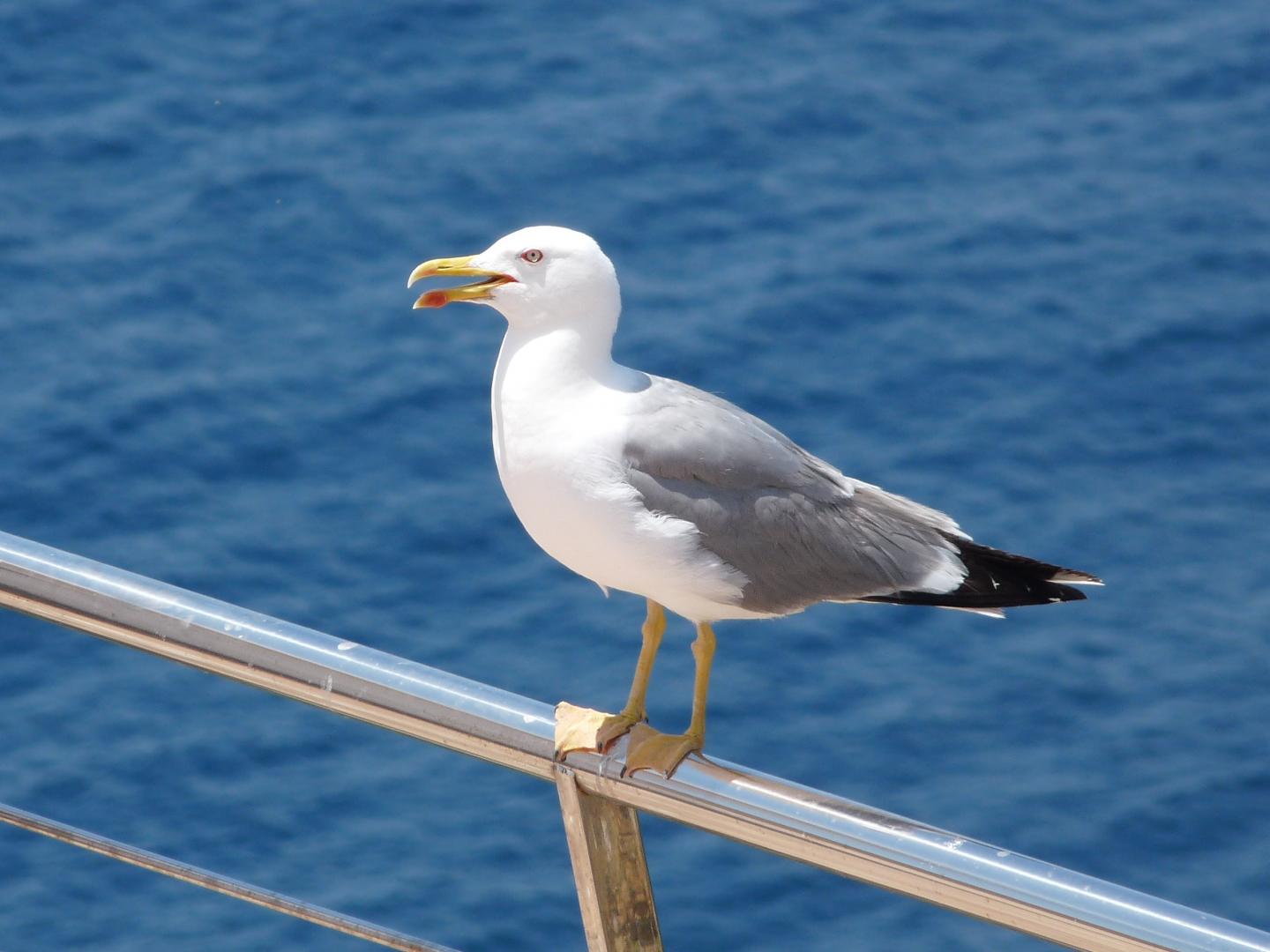
Seagulls birds can spread antibiotic-resistant bacteria that circulate in the wild
IMAGE

Credit: Marta Cerdà (CReSA-IRTA)

Gulls are one of the main wild birds that act as reservoirs of Campylobacter and Salmonella, two most relevant intestinal antibiotic-resistant bacteria causing gastroenteritis in humans. Therefore, according to an article published in the journal Science of the Total Environment seagulls could act as sentinels of the antibiotic pressure in the environment.

The study was carried out by experts of the Faculty of Biology and the Biodiversity Research Institute (IRBio) of the University of Barcelona, and the Institute of Agrifood Research and Technology (IRTA).

Resistant bacteria to antibiotics represent a serious problem for human health and other species since they can harden the treatment of bacterial infections. According to the experts, wildlife fauna is a reservoir of resistant and multiresistant strains of bacteria and in particular, some animals -for instance, birds- have a great ability to spread these around the environment with their local and migratory movements.

Researchers analyzed nine colonies of two colonies of Southern Europe gulls, the yellow legged gull (Larus michahellis), and audouin’s gull (Larus audouinii), an endemic species of the Mediterranean. All colonies featured bacteria from the Campylobacter and Salmonella genera, including resistant strains to antibiotics. “These bacteria are the main cause of gastroenteritis in humans. Largely, we isolated the Campylobacter jejuni species, as well as some Salmonella serotypes common in human salmonellosis outbreaks, such as Salmonella Typhimurium”, notes Marta Cerdà, researcher at IRTA’s Animal Health Research Centre (CReSA).

Resistant bacteria’s threat to wildlife

In many industrialized countries, the main source of infection regarding these pathogens in humans is the consumption and handling of contaminated food from bird origins (specially meat and eggs). However, apart from these production animals, wild fauna plays a relevant role in the epidemiology of these bacterial infections. “Gulls are getting more used to find food in urban areas or landfills, where they find many leftovers. Therefore, these are likely to get infected by human-origin bacteria”, notes professor Jacob González-Solís Bou, head of the Group on Seabird Ecology and member of the Department of Evolutionary Biology, Ecology and Environmental Sciences and the Biodiversity Research Institute (IRBio) of the UB.

Moreover, gulls spread these bacteria around different parts of the territory with their local and migratory movements, favouring these resistant bacteria to move around the environment permanently. In general, these bacteria are not dangerous to gulls nor the wildlife, although certain salmonellosis outbreaks that caused the death of bird colonies (in the United States) have been detected.

“It is crucial to study the presence of resistent bacteria in wild fauna considering a one health approach, mainly in these cases of pathogens that can affect both animals and people”, conclude the experts.

###

Media Contact
Rosa Martínez
[email protected]

Original Source

https://www.sciencedirect.com/science/article/abs/pii/S0048969720365487?via%3Dihub

Related Journal Article

http://dx.doi.org/10.1016/j.scitotenv.2020.143018

Tags: BacteriologyBiologyEcology/EnvironmentEnvironmental HealthEpidemiologyInfectious/Emerging DiseasesMarine/Freshwater BiologyMicrobiologyZoology/Veterinary Science
Share12Tweet8Share2ShareShareShare2

Related Posts

Cutting-Edge Genomic Techniques Reveal Unexpected Cellular Changes in the Aging Brain — Biology

Cutting-Edge Genomic Techniques Reveal Unexpected Cellular Changes in the Aging Brain

May 12, 2026
USC Researchers Initiate Study on the Most Advanced Lab-Grown Kidney Structures — Biology

USC Researchers Initiate Study on the Most Advanced Lab-Grown Kidney Structures

May 12, 2026

Childbirth in Humans Is Not Uniquely Challenging Among Mammals, New Research Shows

May 12, 2026

From Complexity to Clarity: Unraveling the “Topological Laws” Governing Cell Death

May 11, 2026
Please login to join discussion

POPULAR NEWS

  • Research Indicates Potential Connection Between Prenatal Medication Exposure and Elevated Autism Risk

    842 shares
    Share 337 Tweet 211
  • New Study Reveals Plants Can Detect the Sound of Rain

    728 shares
    Share 290 Tweet 182
  • Salmonella Haem Blocks Macrophages, Boosts Infection

    62 shares
    Share 25 Tweet 16
  • Breastmilk Balances E. coli and Beneficial Bacteria in Infant Gut Microbiomes

    57 shares
    Share 23 Tweet 14

About

BIOENGINEER.ORG

We bring you the latest biotechnology news from best research centers and universities around the world. Check our website.

Follow us

Recent News

Postmenopausal Women Face Increased Mortality Risk from Osteoporosis, New Research Shows

AI Predicts Hospital Admissions from Emergency Departments

Robust Magnetoelectric Backscatter System Boosts Bioelectronic Implants

Subscribe to Blog via Email

Enter your email address to subscribe to this blog and receive notifications of new posts by email.

Join 82 other subscribers
  • Contact Us

Bioengineer.org © Copyright 2023 All Rights Reserved.

Welcome Back!

Login to your account below

Forgotten Password?

Retrieve your password

Please enter your username or email address to reset your password.

Log In
No Result
View All Result
  • Homepages
    • Home Page 1
    • Home Page 2
  • News
  • National
  • Business
  • Health
  • Lifestyle
  • Science

Bioengineer.org © Copyright 2023 All Rights Reserved.