


A new research article published in Biological Research on 10 September 2026 reports a molecular mechanism behind that resistance and offers a potential way to reverse it. The study, authored by Danqing Liu, Bing Wu, Caihong Wang and colleagues including Fei Huang, identifies an irradiation-triggered signaling pathway centered on the epigenetic regulator EZH2 and suggests that blocking it may restore the tumor-killing power of radiation.
The researchers found that irradiation stabilizes the EZH2 protein in glioblastoma cells. Under normal conditions, EZH2 is tagged with ubiquitin and degraded, but radiation exposure inhibits this ubiquitination and degradation, allowing EZH2 protein levels to rise. Because EZH2 is a histone methyltransferase, its accumulation leads to increased levels of H3K27me3, a repressive histone methylation mark deposited at target gene promoters.
One critical target of this repressive mark is DEPTOR, a gene whose product acts as an endogenous inhibitor of mTOR signaling. The study showed that elevated H3K27me3 increases occupancy at the DEPTOR promoter, suppressing DEPTOR expression. With DEPTOR reduced, mTOR signaling becomes activated.
This irradiation-induced activation of mTOR signaling could be suppressed by EZH2 inhibitors, according to the study. When the inhibitors were applied, the EZH2-H3K27me3-DEPTOR-mTOR axis was disrupted, leading to a reduction in glioblastoma malignancy.
The findings point to a coherent mechanistic chain: radiation stabilizes EZH2, which raises H3K27me3, which silences DEPTOR, which unleashes mTOR signaling and thereby bolsters tumor malignancy. Interrupting the chain at its first link, with an EZH2 inhibitor, collapses the adaptive response and leaves the tumor more vulnerable to radiation-induced damage.
The authors conclude that EZH2 inhibitors may enhance glioblastoma sensitivity to irradiation by modulating the EZH2-H3K27me3-DEPTOR-mTOR signaling axis, and that combining EZH2 inhibitors with radiotherapy presents a promising therapeutic strategy for glioblastoma. The work is presented as a research article and is currently available as an open-access accepted manuscript, subject to further edits before the final version of record.
It is important to note the scope of the evidence. The sensitization results were obtained in GL261 glioblastoma models in laboratory and animal settings, not in human clinical trials. Whether the same EZH2 stabilization and mTOR activation occur in patients, and whether combining EZH2 inhibitors with radiotherapy is safe and effective in people, remains to be established through future clinical research. The study is published in Biological Research, an open-access journal, and the accepted manuscript is citable with a permanent DOI.
Nevertheless, the study adds to a growing body of work highlighting EZH2’s significant role in glioblastoma malignancy, a role the authors note had not been well understood in the context of radiotherapy resistance. By defining a specific epigenetic-to-signaling pathway that radiation itself appears to activate, the research offers a concrete molecular target for combination therapy design and a framework for future studies aiming to overcome one of glioblastoma treatment’s most persistent obstacles.
Subject of Research: Epigenetic regulation of radiotherapy resistance in glioblastoma via the EZH2-H3K27me3-DEPTOR-mTOR signaling axis.
Article Title: Blockade of radio-adaptive EZH2-mTOR signaling restores glioblastoma radiosensitivity
Article References: Liu, D., Wu, B., Wang, C., Pan, X., Li, Z., Lan, R., Fu, L., Zhang, Y., Hong, J., & Huang, F. (2026). Blockade of radio-adaptive EZH2-mTOR signaling restores glioblastoma radiosensitivity. Biological Research. https://doi.org/10.1186/s40659-026-00725-7
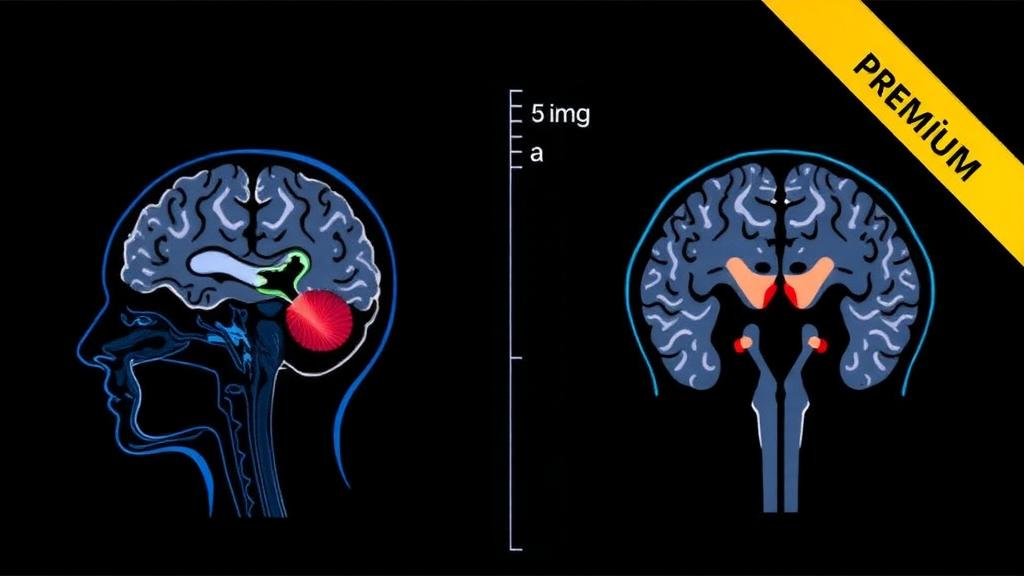
Image Credits: AI Generated
DOI: 10.1186/s40659-026-00725-7
Keywords: glioblastoma, EZH2, radiotherapy resistance, H3K27me3, DEPTOR, mTOR signaling, epigenetics, histone methylation, GL261, preclinical study, combination therapy, Biological Research
News Source: Nathaniel Bowman. (October 29, 2026). EZH2 Blockade Restores Glioblastoma Sensitivity to Radiotherapy in Preclinical Models. Scienmag.



