• HOME
  • NEWS
  • EXPLORE
    • CAREER
      • Companies
      • Jobs
    • EVENTS
    • iGEM
      • News
      • Team
    • PHOTOS
    • VIDEO
    • WIKI
  • BLOG
  • COMMUNITY
    • FACEBOOK
    • INSTAGRAM
    • TWITTER
Tuesday, October 20, 2026
BIOENGINEER.ORG
No Result
View All Result
  • Login
  • HOME
  • NEWS
  • EXPLORE
    • CAREER
      • Companies
      • Jobs
        • Lecturer
        • PhD Studentship
        • Postdoc
        • Research Assistant
    • EVENTS
    • iGEM
      • News
      • Team
    • PHOTOS
    • VIDEO
    • WIKI
  • BLOG
  • COMMUNITY
    • FACEBOOK
    • INSTAGRAM
    • TWITTER
No Result
View All Result
Bioengineer.org
No Result
View All Result
Home NEWS Science News Agriculture

Comparative chloroplast genomics of Gnaphalieae (Asteraceae)

by
October 20, 2026
in Agriculture
Reading Time: 2 mins read
0
Comparative chloroplast genomics of Gnaphalieae (Asteraceae)

Chloroplast Genomes of 61 Everlasting Flowers Rewrite the Daisy Family Tree

Share on FacebookShare on TwitterShare on LinkedinShare on RedditShare on Telegram

A comparative chloroplast-genome study reported a dataset covering 61 Gnaphalieae species from 26 genera, with the de novo assembly of 25 species in 13 genera and the first reported chloroplast genomes for seven genera. The research was presented as the most comprehensive chloroplast genomic analysis of the tribe to date. Its scope included both subtribes and all major informal clades of Gnaphalieae, a group that the abstract says comprises approximately 2,100 species worldwide.

The researchers combined the 25 newly assembled chloroplast genomes with 36 previously reported genomes retrieved from the NCBI database. Across the resulting dataset, genome sizes ranged from 151,073 to 154,259 base pairs. The genomes retained a typical quadripartite structure and showed high conservation in gene content, with 112 unique genes, as well as in gene organization, guanine–cytosine content and intron composition. Inverted-repeat boundaries, amino-acid composition and codon usage were also highly similar among species, while simple sequence repeats showed a moderate degree of variation.

Maximum-likelihood phylogenetic analyses supported the division of Gnaphalieae into the two subtribes Relhaniinae and Gnaphaliinae and placed the Relhania clade as the earliest-diverging lineage in the chloroplast tree. The analysis did not recover several large genera—including Gnaphalium, Anaphalis, Pseudognaphalium and Helichrysum—as monophyletic. The backbone of the Filago–Leontopodium–Antennaria–Gamochaeta, or FLAG, clade received only weak support, contrasting with earlier topologies based on nuclear ITS and ETS data. The authors characterized this difference between chloroplast and nuclear evidence as cytonuclear discordance and said both sources of data would be needed for accurate taxonomic inference in rapidly radiating lineages.

The findings and limitations summarized here are based on the supplied abstract of an accepted research article that the publisher states remains subject to further edits. The chloroplast dataset covers 61 species rather than the approximately 2,100 species estimated to occur in the tribe, and its phylogenetic signal was not uniform across the group. The reported non-monophyly and weak support should therefore be interpreted as results of this chloroplast-based analysis rather than as a definitive revision of Gnaphalieae taxonomy.

Subject of Research: Comparative chloroplast genomics and phylogenetic relationships in the plant tribe Gnaphalieae

Article Title: Comparative chloroplast genomics of Gnaphalieae (Asteraceae)

Article References: Abdullah, & Heidari, P. (2026). Comparative chloroplast genomics of Gnaphalieae (Asteraceae). BMC Plant Biology. https://doi.org/10.1186/s12870-026-10004-y

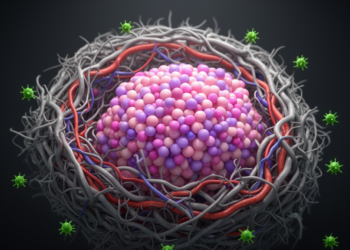
Image Credits: AI Generated

DOI: 10.1186/s12870-026-10004-y

Keywords: Gnaphalieae, Asteraceae, chloroplast genomes, comparative genomics, phylogenetics, maximum likelihood, cytonuclear discordance, taxonomy, Comparative, chloroplast, genomics, scientific research

News Source: Juliet Wilcox. (October 20, 2026). Comparative chloroplast genomics of Gnaphalieae (Asteraceae). Scienmag.
Tags: AsteraceaechloroplastChloroplast GenomesComparativeComparative genomicscytonuclear discordanceGenomicsGnaphalieaemaximum likelihoodphylogeneticsscientific researchtaxonomy
Share12Tweet7Share2ShareShareShare1

Related Posts

Simulated vertical-farm controller cuts costs by co-optimizing light and climate

Simulated vertical-farm controller cuts costs by co-optimizing light and climate

October 20, 2026
Arbuscular mycorrhizal fungi inoculation and deficit irrigation mediate phytochemical quality and antioxidant activity of cardoon (Cynara cardunculus var. altilis) leaves

Arbuscular mycorrhizal fungi inoculation and deficit irrigation mediate phytochemical quality and antioxidant activity of cardoon (Cynara cardunculus var. altilis) leaves

October 20, 2026

Experimental warming alleviates leaf-level physiological stress of Kobresia pygmaea in alpine meadows on the Northeastern Qinghai-Tibet Plateau

October 20, 2026

Integrative mapping of chloroplast rRNA modifications reveals conserved and lineage-specific features and stepwise modification during plastid ribosome biogenesis

October 20, 2026

POPULAR NEWS

  • Syngeneic mouse study links CNS lymphoma location to broader immune dysfunction

    Syngeneic mouse study links CNS lymphoma location to broader immune dysfunction

    29 shares
    Share 12 Tweet 7
  • Systematic review finds attention explanations are rarely tested for faithfulness

    29 shares
    Share 12 Tweet 7
  • Research report: INSIGHT: a scalable cluster-based framework with theoretical guarantees for interpretable fraud detection in mixed-feature data

    29 shares
    Share 12 Tweet 7
  • Transcriptomic study links isoform remodeling to survival differences in clear cell renal cell carcinoma

    29 shares
    Share 12 Tweet 7

About

We bring you the latest biotechnology news from best research centers and universities around the world. Check our website.

Follow us

Recent News

Syngeneic mouse study links CNS lymphoma location to broader immune dysfunction

Systematic review finds attention explanations are rarely tested for faithfulness

Research report: INSIGHT: a scalable cluster-based framework with theoretical guarantees for interpretable fraud detection in mixed-feature data

Subscribe to Blog via Email

Enter your email address to subscribe to this blog and receive notifications of new posts by email.

Join 85 other subscribers
  • Contact Us

Bioengineer.org © Copyright 2023 All Rights Reserved.

Welcome Back!

Login to your account below

Forgotten Password?

Retrieve your password

Please enter your username or email address to reset your password.

Log In
No Result
View All Result
  • Homepages
    • Home Page 1
    • Home Page 2
  • News
  • National
  • Business
  • Health
  • Lifestyle
  • Science

Bioengineer.org © Copyright 2023 All Rights Reserved.