


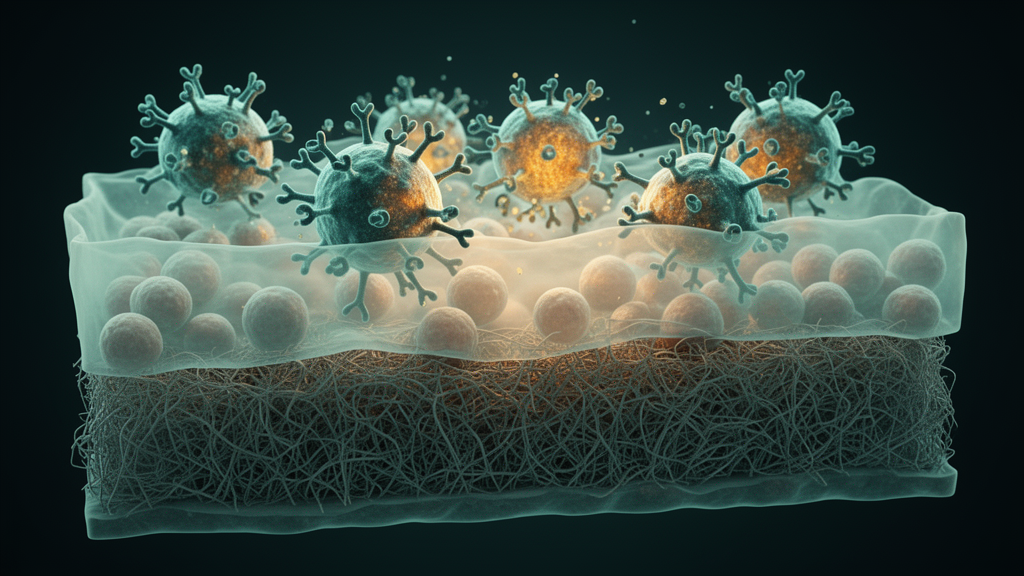
Chimeric antigen receptor T-cell therapy for malignant brain tumors is advancing rapidly, but the field’s most prominent obstacles remain firmly in place, according to a correspondence published in Experimental Hematology & Oncology summarizing the 2026 AACR Annual Meeting.
The correspondence synthesizes 12 clinical and translational abstracts presented at the meeting, covering early efficacy signals, resistance mechanisms, target discovery, and next-generation engineering approaches for treating glioblastoma and other malignant brain tumors.
Phase I studies in glioblastoma demonstrated that CAR-T therapy is feasible in this setting, with manageable toxicity, evidence of cellular persistence, and preliminary radiographic activity. However, the same studies revealed two significant resistance mechanisms: loss of the targeted antigen on tumor cells and treatment-associated myeloid suppression.
Longitudinal and spatial analyses added further detail to the resistance picture. These studies identified limited CAR T-cell persistence over time, anti-CAR immune responses directed against the therapeutic cells themselves, and remodeling of suppressive tumor niches that may blunt therapeutic effect.
Preclinical work presented at the meeting sought to address these barriers through a range of engineering strategies. These included programmable antigen recognition, alternative KIR/DAP12 signaling, stress-granule modulation, inducible metabolic support, membrane-tethered cytokine agonists, resistance to transforming growth factor beta, and dual targeting of both tumor cells and immunosuppressive macrophages.
Target discovery also featured prominently.
The correspondence concludes that these findings collectively support mechanism-informed CAR T-cell platforms for malignant brain tumors. It emphasizes, however, that durability of response, neurotoxicity, trafficking to tumor sites, immunogenicity, and patient selection all require validation in larger clinical studies.
The report is a correspondence, not a primary research study, and its findings reflect conference abstracts rather than peer-reviewed full papers. The early efficacy signals described are preliminary, and the abstract-level evidence does not establish clinical benefit. Readers should interpret the reported radiographic activity and persistence data as hypothesis-generating observations from early-phase and preclinical work.
Subject of Research: Next-generation CAR-T cell therapy for malignant brain tumors presented at the 2026 AACR Annual Meeting
Article Title: Next-generation CAR-T therapy for malignant brain tumors: latest updates from the 2026 AACR Annual Meeting
Article References: Costa Filho, V. O., Rabenhorst, S. H. B., & Mesquita, F. P. (2026). Next-generation CAR-T therapy for malignant brain tumors: latest updates from the 2026 AACR Annual Meeting. Experimental Hematology & Oncology, 15(1), Article 101. https://doi.org/10.1186/s40164-026-00834-9
Image Credits: AI Generated
DOI: 10.1186/s40164-026-00834-9
Keywords: CAR-T therapy, glioblastoma, medulloblastoma, brain tumors, AACR 2026, antigen loss, immunotherapy, cellular persistence, tumor microenvironment, surfaceome profiling, neurotoxicity, phase I trials
News Source: Nathaniel Bowman. (October 28, 2026). CAR-T Therapy for Brain Tumors Shows Early Promise and Persistent Barriers. Scienmag.



